
Views: 222 Author: Amanda Publish Time: 2025-10-16 Origin: Site


Content Menu
● Understanding Used Tractor Prices
● Factors That Affect the Cost of a Used Tractor
● Where to Find Good Used Tractors
● Tips for Buying a Good Used Tractor
>> Inspect the Engine and Transmission
>> Evaluate Attachments and Features
>> Assess the Exterior and Frame
● Additional Costs to Consider with Used Tractors
● New vs. Used Tractor Costs: What's the Best Choice?
● Financing Options for Used Tractors
● How to Avoid Common Pitfalls When Buying a Used Tractor
● Frequently Asked Questions (FAQ)
>> 1. How much should I budget for a used tractor?
>> 2. What are the most reliable used tractor brands?
>> 3. How do I check a used tractor's condition before buying?
>> 4. Are used tractors fuel-efficient compared to new ones?
>> 5. Can I finance a used tractor purchase?
In the world of farming and commercial vehicle operations, a tractor is often the centerpiece of productivity. For many farmers and businesses, purchasing a used tractor presents a cost-effective way to acquire reliable machinery without the hefty price tag of new models. But how much does a good used tractor cost, and what factors influence its price? This comprehensive article explores the key elements that affect the cost of a used tractor, helps you navigate the purchasing process, and offers valuable tips for making a wise investment.

Used tractors cover a wide price range, generally influenced by age, condition, horsepower, brand, and additional features. On average, used tractors can range anywhere from $5,000 to $80,000 or more. For instance:
- Smaller or older used tractors generally cost between $5,000 and $15,000.
- Mid-range used tractors often fall between $15,000 and $35,000.
- Larger, well-maintained tractors with higher horsepower and advanced technology can reach prices from $35,000 to $80,000 or beyond.
The brand also plays a significant role in pricing. Tractor models from premium brands such as John Deere, Kubota, and Case IH tend to retain higher values due to their reputation for durability and performance.
When considering the price of a used tractor, multiple aspects should be evaluated:
Horsepower (HP) is a primary determinant of the tractor's capability and value. Higher horsepower tractors command higher prices since they are designed to handle heavier workloads, making them suitable for larger farms and commercial operations. A tractor with 50-100 HP is typically suited for small to medium-scale farms, whereas those with 200 HP or more are designed for industrial-grade tasks.
Just like any machine, a tractor's value depreciates with age and wear. A newer, well-maintained used tractor typically costs more than an older model with visible wear. Detailed maintenance records are vital in demonstrating good care, which can justify a higher asking price. The physical condition, from the engine to the tires and hydraulics, impacts pricing significantly. Corrosion, leaks, or mechanical issues will lower the value.
Unlike vehicles that show mileage, tractors measure usage by hours of operation. A used tractor with lower hours generally means less wear and is often more desirable, possibly affecting the price upwards. For example, a tractor with 1,000-3,000 hours is considered lightly used for many models, while those exceeding 5,000 hours are often heavily used and may require more repairs.
Additional features such as GPS guidance systems, precision planting technology, cab air conditioning, and front loaders increase a used tractor's value. Attachments compatible with the tractor can also add to its market worth. Many buyers look for versatility in a used tractor, so models equipped with multiple attachments like plows, mowers, and loaders can fetch higher prices.
Tractor manufacturers with a long-standing history of quality and service, like John Deere, Kubota, and Case IH, usually hold better resale values. Popular brands also make it easier to find spare parts and obtain service. Lesser-known brands might offer lower initial prices but could incur higher maintenance costs down the road due to harder-to-find parts.
Used tractors can be sourced from several reliable places:
- Local Dealerships: Agricultural machinery dealerships often have certified pre-owned tractors with warranties.
- Online Marketplaces: Platforms specializing in farm equipment provide a broad range of choices across regions.
- Agricultural Auctions: Auctions can offer competitive pricing but require careful inspection before purchase.
- Direct Sales: Sometimes farmers or businesses sell their equipment directly, providing opportunities for private negotiation.
Exploring different sources allows buyers to compare prices and conditions carefully. Dealerships typically provide more purchase protection but might charge higher prices compared to private sellers.
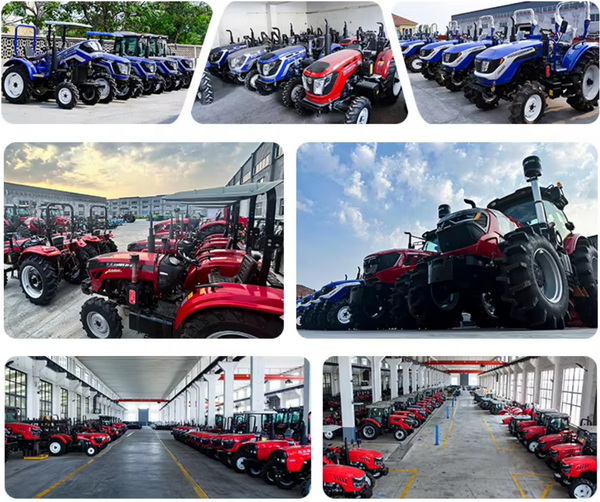
Purchasing a used tractor can be a smart investment if armed with the right knowledge. Here are essential tips to ensure a good deal on a used tractor:
The engine is the heart of the tractor. Inspect it for fluid leaks, unusual noises, and smoke when running. A test drive helps evaluate the smoothness of the transmission and overall mechanical condition.
Maintenance history can reveal how well the tractor has been cared for. Look for regular oil changes, filter replacements, and documented major repairs. Well-maintained tractors tend to have fewer unexpected breakdowns.
Lower operating hours usually indicate less wear and longer remaining life. In addition to hours, evaluate the wear on important components such as tires, brakes, hydraulic systems, and the overall body frame.
Ensure that essential attachments are included or compatible with the tractor model. Features such as GPS, air conditioning, or advanced hydraulics enhance usability and should be factored into the price.
Look for physical damage such as rust, cracks, dents, or unauthorized repairs. A solid frame with minimal aesthetic damage suggests careful ownership.
While the purchase price matters, buyers should consider the total cost of ownership for used tractors including:
- Repairs and Maintenance: Older or heavily used tractors may require immediate repairs or part replacements.
- Fuel and Efficiency: Used tractors might not be as fuel-efficient as newer models, impacting operating costs.
- Insurance and Registration: Necessary for commercial agricultural equipment depending on local laws.
- Attachment Investments: Additional investments might be needed to purchase compatible or replacement attachments.
New tractors offer the latest technology, warranties, and customization but come at significantly higher prices — from $20,000 to over $100,000 depending on size and features.
Used tractors provide a budget-conscious alternative with less depreciation but may lack advanced features and could require more maintenance. For smaller farms and businesses, a well-chosen used tractor often delivers excellent value and reliable performance.
Buying a used tractor outright may not be feasible for all farmers or businesses. Many dealers and financial institutions provide loans or leasing options for used agricultural machinery. Financing can make acquiring higher-quality or larger tractors possible without an overwhelming initial expense. It is important to carefully review loan terms, interest rates, and insurance requirements before signing an agreement.
- Avoid Impulse Purchases: Take time to research and inspect before making decisions.
- Don't Skip the Inspection: If unsure, hire an expert mechanic to thoroughly check the tractor.
- Beware of Seller Promises: Confirm warranty coverage and examine documents.
- Negotiate Price Based on Condition: Use flaws or upcoming maintenance as leverage.
- Understand Your Needs: Match tractor horsepower and features with farm size and typical jobs to avoid overspending.
The cost of a good used tractor varies widely based on horsepower, brand, condition, and features. On average, used tractors range from $5,000 to $80,000, with well-maintained, higher horsepower models commanding top prices. Understanding the factors influencing value and carefully inspecting potential purchases ensures making a smart and cost-effective investment. Whether for a small farm or a large commercial operation, a carefully selected used tractor can deliver powerful performance while saving significant money.
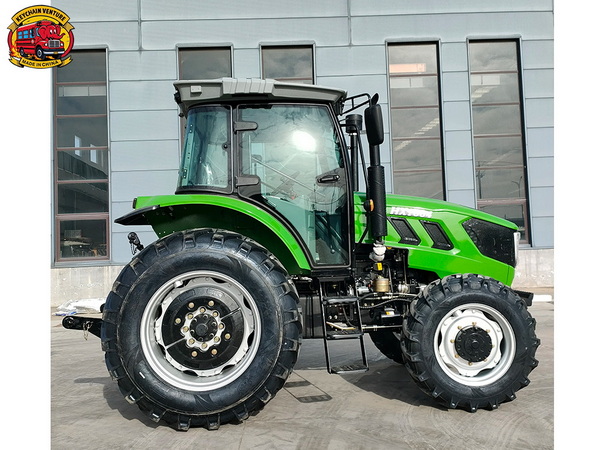
A reasonable budget ranges from $5,000 for smaller or older models to $80,000 for larger, well-maintained machines. The price depends heavily on horsepower, brand, and condition.
John Deere, Kubota, and Case IH are among the top reliable brands with good resale value and widespread service availability.
Inspect the engine, transmission, tires, hydraulics, and frame. Review maintenance history and hours of use, and take it for a test drive to assess performance.
Older used tractors may have lower fuel efficiency than modern new models, which often include advanced engines and eco-friendly technology.
Yes, many dealers and financial institutions offer loans or financing options tailored to agricultural machinery purchases.


