
Views: 222 Author: Amanda Publish Time: 2025-10-18 Origin: Site


Content Menu
● What Is a Tri Axle Dump Truck?
● Configuration and Design Features
>> Axle Setup
>> Dump Body Size and Material
>> Gross Vehicle Weight Rating (GVWR)
● How Much Can a Tri Axle Dump Truck Haul?
>> Material Density and Its Effect
● Factors Affecting Tri Axle Dump Truck Capacity
>> Road and Job Site Conditions
● Comparing Tri Axle with Other Dump Truck Types
● FAQ
>> 1. How many tons can a tri axle dump truck carry?
>> 2. What is the usual volume capacity of a tri axle dump truck?
>> 3. How does the type of material affect the tonnage capacity?
>> 4. What legal limitations apply to tri axle dump trucks?
>> 5. What safety measures are essential for operating tri axle dump trucks?
Dump trucks are indispensable in the world of construction, mining, and heavy material transport. Among the various types of dump trucks, the tri axle dump truck is distinguished for its superior load capacity and enhanced stability, making it a favorite for hauling heavy and bulky materials efficiently. This article provides an in-depth exploration of the tri axle dump truck's capacity in terms of weight and volume, factors influencing its carrying limits, practical applications, and regulations that govern its use. The content aims to offer a comprehensive understanding for operators, contractors, and enthusiasts interested in maximizing dump truck performance safely.

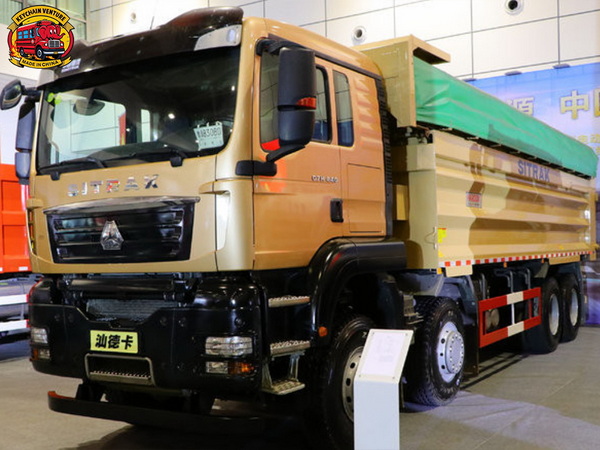
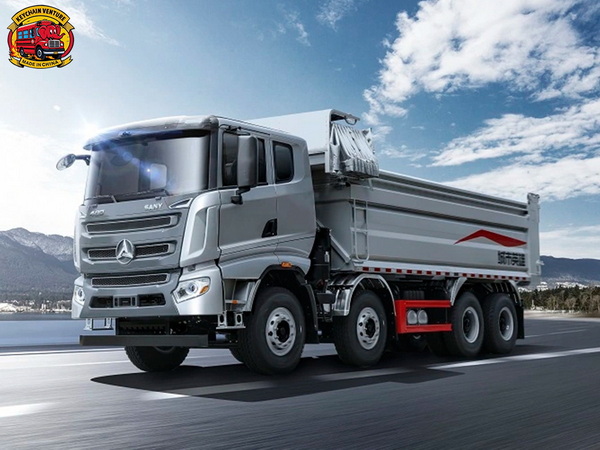
A tri axle dump truck is a heavy-duty commercial vehicle that has three axles—typically one at the front (steering axle) and two at the rear. This configuration enhances the truck's stability and ability to carry heavy payloads by distributing the load weight across more points on the chassis and road surface. Compared to single or tandem axle trucks, tri axle dump trucks can haul significantly larger loads without compromising safety or damaging road infrastructure.
They are commonly used across construction sites, mining operations, roadbuilding, and waste management industries where moving large volumes of heavy materials is routine. The tri axle setup contributes to better balance, reduces axle stress, and enables operators to comply with legal weight limits more easily.
The key identifier of a tri axle dump truck is its three-axle system. Generally, one axle is at the front, and two are at the rear. This design not only boosts the truck's gross vehicle weight rating (GVWR) but also helps evenly distribute heavy loads. By spreading the weight, the truck reduces the likelihood of overloading a single axle, which can cause mechanical failure or excessive road wear.
The dump body's size directly affects the volume of material the truck can carry. Tri axle dump trucks commonly have dump bodies ranging between 14 to 20 cubic yards, depending on model specifics. The beds are typically constructed from durable steel or aluminum to withstand tough materials like gravel, sand, concrete, or construction debris. Typical bed dimensions include:
- Length: 14 to 18 feet
- Width: 8 to 8.5 feet
- Height: 1.5 to 2 feet
These measurements balance load volume and vehicle stability, important factors for safe operation.
GVWR includes the total allowable weight of the truck plus its load. For tri axle trucks, GVWR can range from 60,000 to 88,000 pounds. The exact rating depends on the truck's build, axle configuration, and intended use. Staying within GVWR ensures compliance with vehicle regulations and helps avoid fines and safety risks.
Generally, tri axle dump trucks carry between 25 to 30 tons (50,000 to 60,000 pounds) of material under normal operating conditions. Some heavier-duty models can haul slightly more, up to about 35 tons, depending on truck specifications and road regulations. This capacity significantly exceeds that of single or tandem axle dump trucks, which typically carry less than 20 tons.
The tri axle design supports larger payloads by enhancing load distribution and stability, allowing for more efficient trips and higher overall productivity.
In terms of volume, tri axle dump trucks usually have a capacity of 14 to 20 cubic yards. The actual tonnage that corresponds to these volumes varies due to the density of materials hauled. For example, dense materials like concrete or asphalt weigh more per cubic yard than lighter materials such as wood chips or topsoil.
The material type impacts both the weight and volume of the load, influencing how much a tri axle dump truck can carry:
- Gravel: 2,400 to 2,900 lbs per cubic yard
- Soil: 2,000 to 2,700 lbs per cubic yard
- Concrete: 3,900 to 4,100 lbs per cubic yard
- Asphalt: 2,500 to 2,900 lbs per cubic yard
Because of these density differences, a truck may reach its maximum weight before it fills its entire volume when hauling dense materials.
Different regions and countries enforce weight limits to protect roadways and bridges from damage caused by overweight vehicles. In the United States, for example, the federal maximum GVWR for tri axle dump trucks is typically 80,000 pounds. Exceeding these limits risks penalties and infrastructure damage.
Properly balanced loading across the three axles is critical for vehicle stability and to prevent axle overloading. Uneven loads can lead to unsafe driving conditions and accelerate vehicle wear.
The construction materials of the dump body (steel vs aluminum) affect the truck's empty weight and, consequently, its available payload capacity. Aluminum bodies tend to weigh less, allowing more weight capacity for materials.
Terrain and road quality can affect how much load a tri axle dump truck can safely carry. Rough, uneven terrain might necessitate lighter loads for safety and vehicle integrity.
| Dump Truck Type | Tonnage Capacity (Tons) | Typical Use Case | Maneuverability |
| Single Axle | 10 – 15 | Small loads, urban settings | High |
| Tandem Axle | 16 – 25 | Medium loads, flexible use | Moderate |
| Tri Axle | 25 – 30 | Heavy loads, construction, mining | Balanced |
| Quad Axle | 30+ | Extra heavy loads, long haul interstate | Lower |
Tri axle dump trucks strike a balance between load capacity and maneuverability. They are more capable than tandem axle trucks but offer better handling than quad axle trucks in tighter spaces.
Tri axle dump trucks are essential on construction sites for transporting large quantities of:
- Gravel
- Sand
- Soil and dirt
- Construction debris
- Asphalt and concrete aggregates
They are also used in mining and waste management sectors due to their capacity and durability.
Safe tri axle dump truck operation includes:
- Adhering to weight and load distribution regulations
- Regular truck maintenance, especially brakes, tires, and suspension
- Driver training to handle heavy loaded vehicles
- Compliance with Federal Bridge Laws or respective regional laws
- Employing safety devices such as air-ride seats to reduce driver fatigue
Proper safety and compliance practices extend the truck's service life and protect road infrastructure and lives.
Tri axle dump trucks provide a robust solution for hauling heavy, bulky materials efficiently, with capacities typically ranging from 25 to 30 tons and a volume of 14 to 20 cubic yards. Their design balances load capacity with stability and road regulation compliance, making them a backbone of heavy hauling in construction, mining, and related industries. Effective operation of tri axle dump trucks requires understanding their specifications, material densities, and legal weight limits, combined with strict safety adherence. Advances in technology continue to improve the efficiency and environmental impact of these vital machines, ensuring their ongoing importance in heavy transport.
A tri axle dump truck typically hauls between 25 and 30 tons, depending on the truck's design and local weight regulations.
Most tri axle dump trucks hold between 14 to 20 cubic yards of material.
Denser materials like concrete reduce volume capacity but fill weight capacity faster, while lighter materials like wood chips fill volume before reaching weight limits.
Federal and local regulations, such as the 80,000 pounds GVWR limit in the US, restrict the maximum allowable weight to protect roads and bridges.
Operators should ensure proper load distribution, follow weight restrictions, maintain the truck regularly, and adhere to safety protocols to prevent accidents and maximize truck lifespan.
[1](https://chinasemitrailersupplier.com/blog/configuration-and-capacity-of-tri-axle-dump-trucks/)
[2](https://laurakopetsky.com/truck-specifications/)
[3](https://www.customtruck.com/dump-trucks/16-ft-dump-truck/)
[4](https://www.keychainventure.com/how-many-tons-can-a-tri-axle-dump-truck-haul.html)
[5](https://fengyuanequipment.en.made-in-china.com/product/zZjapFNGlChR/China-3-Axle-Dump-Semi-Trailer-60-Ton-Semi-Trailer-End-Dump-Truck-Capacity.html)
[6](https://www.komatsu.com.au/equipment/dump-trucks/mechanical-rigid-dump-trucks/hd1500-8)
[7](https://www.grimmsautomovation.com/blog/how-many-tons-can-a-dump-truck-haul-capacity-and-limitations-explained/)
[8](https://www.mining.sandvik/globalassets/products/underground-loaders-and-trucks/pdf/th430-technical-specification-english.pdf)


