
Views: 222 Author: Amanda Publish Time: 2025-10-07 Origin: Site


Content Menu
>> What Do Tractor Hours Mean?
● Typical Lifespan of a Used Tractor
● Factors Affecting Hours and Tractor Value
● How to Evaluate Hours on a Used Tractor
● Advantages and Disadvantages by Hours of Use
● Common Signs of Wear Related to Hours
● Maintenance Tips for Extended Tractor Life
● Case Study: Real-Life Used Tractor Hours Experience
● Additional Considerations When Buying a Used Tractor
>> Warranty and Return Policies
>> Importance of Dealer Reputation
>> Understanding Market Pricing
>> Environmental and Emissions Compliance
● Frequently Asked Questions (FAQs)
>> 1. How many hours do used tractors typically last?
>> 2. Is it better to buy a tractor with low hours or one with good maintenance?
>> 3. What should I check on a used tractor besides hours?
>> 4. Can used tractors with high hours still be a good investment?
>> 5. How can I extend the life of a used tractor?
When considering the purchase of a used tractor, one of the most critical questions buyers ask is: How many hours on a used tractor are acceptable? This article explores the factors that influence the lifespan and value of a used tractor, the significance of working hours, maintenance tips, and what you should look for in your next purchase. With an emphasis on used tractors in various applications such as agriculture and construction, this guide will help you make an informed decision tailored to your specific needs.
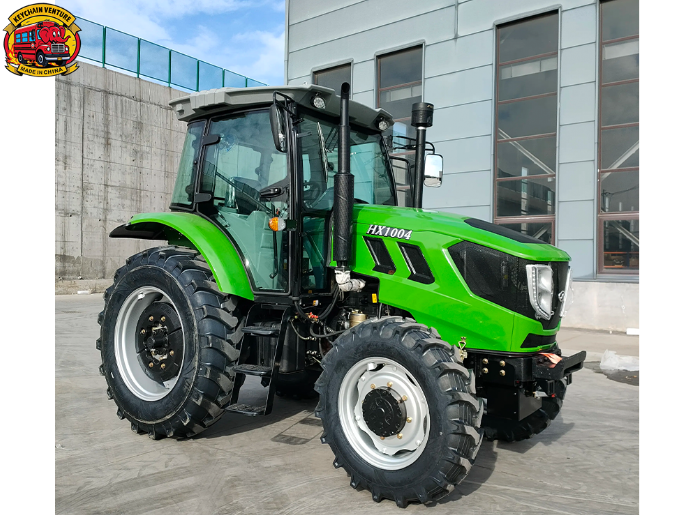
The number of hours on a tractor is comparable to mileage on a car—it reflects how much the tractor has been used and how much life may be left in it. Typically, tractors come with an hour meter that tracks the total number of operational hours since manufacture.
- Low hours: Often considered to be under 2,000 hours. These machines generally have less wear and tear.
- Mid-range hours: Between 2,000 and 5,000 hours. Maintenance and previous use become critical in evaluating these tractors.
- High hours: Above 5,000 hours. These machines may require more repairs but can still be good buys if well maintained.
The hour meter gives you a quick overview, but it is just one part of the evaluation. A tractor with fewer hours but poor maintenance might be in worse condition than one with higher hours but a solid upkeep history.
Used tractors vary widely in longevity depending on several factors:
- Brand and model quality.
- Usage intensity (heavy vs. moderate).
- Maintenance history.
- Operating environment (harsh weather, terrain).
Generally, a well-maintained used tractor can last anywhere from 8,000 to 12,000 hours or even longer, making working hours a useful but not sole indicator of machine health. Some high-quality tractors with excellent care have been known to exceed 15,000 hours of operational life.
- Utility tractors: Often see lighter workloads and can have longer life spans.
- Heavy-duty tractors: Subjected to harder tasks and may wear out faster but are built for durability.
Understanding the type of work a tractor has performed based on hours and conditions is important in anticipating its future usability.
Proper maintenance is the cornerstone of tractor longevity. A tractor with higher hours but proper care can outperform a lower-hour tractor that has been neglected. Routine oil changes, filter replacements, and timely repairs greatly extend usable life.
Examples of key maintenance activities:
- Timely engine oil and filter changes.
- Replacing hydraulic and transmission fluids.
- Regularly inspecting and replacing air filters.
- Checking tire condition and inflation.
A detailed maintenance log can be a strong indicator of how well a used tractor was cared for.
Tractors used for light duties, such as small-scale farming or landscaping, typically have less wear versus those used in heavy excavation or continuous large-acre work. For example, a tractor used mainly for mowing or light tilling will accumulate hours differently than one hauling heavy loads or running in rough terrains daily.
Modern tractors come equipped with advanced engines and systems that improve durability, fuel efficiency, and emissions. These technological improvements can allow tractors to run more hours with fewer problems compared to older models. Electronic fuel injection systems, advanced cooling mechanisms, and better materials all contribute.
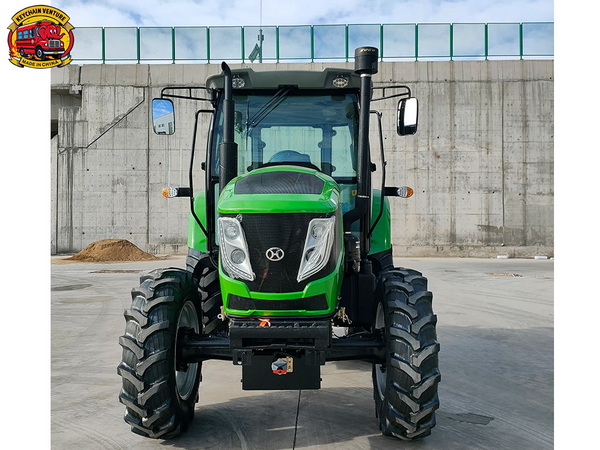
Before making a purchase, consider these essential steps:
- Check the hour meter: Ensure it is functional and realistic relative to the tractor's age. Hour meter tampering has occurred in some markets.
- Review maintenance records: Ask for detailed service history including engine rebuilds or major part replacements.
- Perform a physical inspection: Look for signs of wear, leaks, or damage in the engine, transmission, hydraulics, and tires.
- Test drive: Assess engine performance, noise, ease of shifting, hydraulic responsiveness, and overall operation.
- Consult with experts: A trusted mechanic or experienced users can provide valuable insights into the tractor's condition beyond what is visible.
Additionally, some buyers use diagnostic scanning tools if available to check for any hidden faults or issues with engine management systems.
| Hours (Used Tractor) | Advantages | Disadvantages |
| Low (< 2,000 hours) | Longer remaining lifespan, less wear. | Higher purchase price, possible underuse leading to issues like rust or seizing. |
| Mid (2,000 - 5,000) | Balance of price and durability, good value. | Potential upcoming maintenance costs; check records closely. |
| High (>5,000 hours) | Lower price, potential for major discounts. | Higher risk of mechanical issues and repairs; emphasize thorough inspection. |
Note: This classification is approximate and can vary based on brand and tractor condition.
Tractors accumulate wear in parts such as:
- Hydraulic systems: leaks or slow response.
- Engine components: excessive smoke, loss of power, or unusual noises.
- Transmission: difficulty in shifting gears or slipping.
- Tires and axles: uneven wear or damage.
- Electrical systems: failure of lights, gauges, or controls.
Paying attention to the subtleties such as vibrations, abnormal sounds, or inconsistent performance gives clues about the engine and component health relative to hours.
Proper maintenance can maximize a used tractor's service hours and performance longevity. Some essential maintenance tips include:
- Conduct regular oil and filter changes according to manufacturer guidelines.
- Monitor and replace hydraulic fluids on scheduled intervals.
- Inspect belts, hoses, and tires frequently for cracks or wear.
- Keep cooling systems clean and operational by flushing radiators and checking coolant levels.
- Store tractors indoors or under shelters to prevent rust and degradation from harsh weather.
Using high-quality replacement parts and fluids is also advisable to achieve optimal performance.
John, a farmer in the Midwest, purchased a used tractor with 3,800 hours. Over 5 years, with diligent maintenance and moderate use, he was able to stretch the tractor's functional life to over 8,000 hours, saving significantly compared to buying new equipment.
John's approach demonstrates that hours alone do not define a tractor's value; knowing usage and upkeep history plays a central role in longevity and cost-effectiveness.
Some reputable sellers offer limited warranties or return options that can reduce buyer risk. Examining these terms can add peace of mind when investing in a used tractor.
Purchasing from established companies or dealers who specialize in used tractors increases the likelihood of getting a machine in good condition with reliable history.
Prices fluctuate according to demand, model popularity, and hours. Researching similar tractor models and their typical hours for price benchmarking is useful.
Some regions enforce emissions standards for tractors. Check whether the used tractor meets your local requirements to avoid future penalties or restrictions.
The number of hours on a used tractor is an important metric but should not be the only factor when evaluating its worth. A well-maintained tractor with higher hours can be more reliable than a lower-hour tractor that has been neglected. Carefully reviewing maintenance history, physical condition, and your specific operational needs will ensure you select a used tractor that offers the best balance of performance and value. With proper care, many used tractors can deliver thousands of hours of efficient and powerful service.
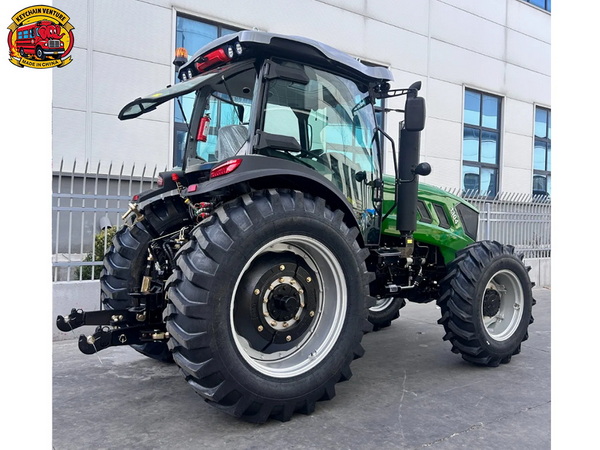
Used tractors can last between 8,000 to 12,000 hours or more if properly maintained, with some exceeding 15,000 hours depending on brand and care.
Good maintenance is often more important than low hours, as a well-maintained tractor will last longer and perform better than a poorly maintained machine with fewer hours.
You should review maintenance records, inspect engine and hydraulics for leaks or unusual noises, check tire wear, and perform a test drive to assess overall condition.
Yes, if well serviced and priced accordingly, high-hour tractors can offer great value, especially for budget-conscious buyers.
Regular scheduled maintenance, proper storage, timely repairs, and using the tractor within manufacturer-recommended operating conditions will help extend its lifespan.


