
Views: 222 Author: Amanda Publish Time: 2025-08-20 Origin: Site


Content Menu
● What is Used Tractor Financing?
● Typical Financing Durations for Used Tractors
● Key Factors Affecting Used Tractor Loan Terms
>> Age and Condition of the Tractor
>> Buyer's Creditworthiness and Financial Profile
>> Lender Policies and Market Conditions
● Comparing Used Tractor Financing vs. Leasing
● How to Get the Best Financing Terms on a Used Tractor
● Pros and Cons of Long-Term Used Tractor Financing
>> Pros
>> Cons
● Tips to Improve Your Loan Approval Chances
● What Happens When Your Used Tractor Loan Ends?
● FAQ
>> 1. How long can you typically finance a used tractor?
>> 2. Does the age of the used tractor affect financing options?
>> 3. Can I refinance my used tractor loan after purchase?
>> 4. What credit score is needed for financing a used tractor?
>> 5. Is leasing a better option than financing used tractors?
When it comes to acquiring a used tractor for commercial or agricultural purposes, financing options play a crucial role in determining affordability and cash flow management. As a leading commercial vehicle supplier, KeyChain Venture Co., Ltd. understands that businesses and farmers often rely on used tractors to optimize costs while maintaining high performance. But a common question remains: how long can you finance a used tractor? This comprehensive article walks you through typical financing terms, factors influencing loan durations, benefits of financing, tips for securing the best possible used tractor loan, and more.
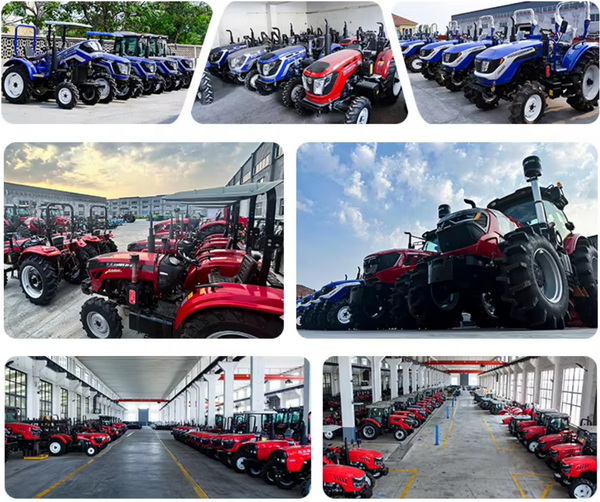
Used tractor financing is a loan or credit arrangement that allows businesses or individuals to purchase a second-hand tractor by spreading payments over time instead of paying the full amount upfront. Financing can come from banks, agricultural lenders, equipment financing companies, or dealer-based programs.
These loans cover everything from small utility tractors used in landscaping projects to large, heavy-duty tractors used in commercial farming or industrial construction. Financing provides flexibility, enabling buyers to preserve working capital, which is vital for business growth and operational continuity.
Financing not only helps spread out the cost but also enables buyers to acquire higher specification tractors, which might otherwise be out of reach with a lump-sum payment. This makes equipment upgrades and fleet expansions more accessible.
The length of a used tractor financing loan depends on several factors, including the lender's policies, the age and condition of the tractor, buyer creditworthiness, and the tractor type. Here are the common durations you can expect:
- Short-term loans (12 to 36 months): These are mainly for smaller or older tractors. They have higher monthly payments but lower overall interest costs. Often preferred for tractors over 10 years old or those used for less intensive purposes.
- Medium-term loans (36 to 60 months): This is the most common duration and suits tractors that are moderately used or around 5 to 10 years old. Provides a balance between manageable monthly payments and loan repayment speed.
- Long-term loans (60 to 84 months): Longer loans are usually available for newer used tractors, typically less than 5 years old, or for larger commercial models. These loans reduce monthly payments but result in paying more interest over time.
Some financial institutions may extend terms beyond 7 years; however, this is relatively uncommon for used tractors due to accelerated depreciation and maintenance risks associated with older machinery. Typically, used tractor financing terms are shorter than those for new tractors because lenders want to minimize exposure to value loss.
The age of the tractor plays a pivotal role in determining loan length. Newer used tractors—those between 3 and 7 years of age—are generally eligible for longer loan terms because they retain more value and are less likely to develop costly issues. Older tractors, especially those over 10 years old, often only qualify for short-term loans since they depreciate faster and pose higher maintenance risks.
Additionally, a tractor that has been well maintained with detailed service records can sometimes secure better loan terms compared to one with unknown or poor maintenance histories.
The type of tractor also influences financing duration. Heavy-duty commercial tractors, often used in farming or construction, tend to have better resale values and hence qualify for longer financing periods. On the other hand, small utility tractors or niche specialty tractors sometimes face higher financing risk, leading lenders to shorten loan terms.
Your credit score and financial health fundamentally affect the loan duration and interest rate offered. Borrowers with strong credit histories, stable income, and sound business financials are more likely to receive longer-term loans with lower interest rates. Conversely, those with limited credit history, new businesses, or poor credit ratings may be restricted to shorter terms or higher rates.
The size of your down payment impacts financing length. Larger down payments reduce the lender's risk and can open up options for longer financing terms. A typical down payment for used tractors ranges from 10% to 20%, though putting more down can improve both loan term flexibility and interest rates.
Different lenders—banks, credit unions, equipment finance companies, or dealer-affiliated programs—have varying policies on maximum loan durations for used tractors. Economic conditions such as interest rate trends, agricultural commodity prices, and equipment demand also inhibit or encourage lenders to offer longer terms.
To get the best term, buyers should compare offers from multiple lenders and inquire about loan flexibility options.
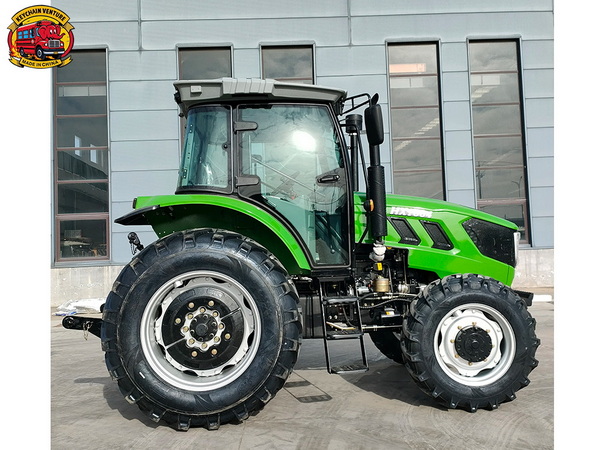
When considering acquiring a used tractor, it is important to evaluate financing against leasing to find the best fit for your business needs.
- Ownership equity: Financing allows complete ownership after the loan is repaid, which builds asset equity.
- No restrictions: Owners can use the tractor without mileage or usage limits and make any customizations necessary for their operations.
- Tax benefits: Potential tax advantages through depreciation and interest expense deductions.
- Lower monthly payments: Leasing usually requires less upfront cash and offers lower monthly costs.
- Up-to-date equipment: Leasing lets you upgrade to newer models at lease end.
- Maintenance relief: Some leases include maintenance packages, easing operational headaches.
- Higher monthly payments compared to leasing.
- Potential risk of owning outdated or high-maintenance equipment after loan ends.
- Full responsibility for repairs and maintenance.
- No ownership; payments build no equity.
- Possible penalties for excessive wear or usage beyond lease terms.
- Limited options for machine modifications.
Choosing between financing and leasing depends on your capital structure, equipment usage, and long-term business goals.
Buying a used tractor on finance can be a smooth process if you follow these tips:
- Shop around: Request quotes from banks, credit unions, specialized agricultural lenders, and dealer finance programs. Comparing multiple offers ensures competitive rates and terms.
- Improve your credit profile: Pay down existing debts, avoid late payments, and clean up your credit report before applying.
- Negotiate terms: Don't accept the first offer blindly. Discuss down payment, interest rate, and loan length. Use tractor age, market value, and competition among lenders as leverage.
- Choose reputable models: Opt for used tractors from well-known manufacturers with good resale value and reliable track records.
- Provide thorough financial documentation: Prepare business financial statements, tax returns, and income proofs to demonstrate repayment capacity.
While longer financing terms reduce monthly payments, they come with trade-offs:
- Improved cash flow: Lower monthly instalments free up working capital for operations or other investments.
- Predictable budgeting: Fixed payments help smooth out expenses over years.
- Aligns with useful life: Long-term finance can match the tractor's remaining service life, making payments proportional to use.
- More interest paid: Spreading payments over longer periods increases total interest costs substantially.
- Equity risk: If the tractor's market value depreciates faster than loan repayment, you may owe more than it's worth.
- Mechanical risk: Older tractors may require expensive repairs, an unplanned expense after financing concludes.
Here are practical tips to strengthen your used tractor loan application:
1. Maintain Comprehensive Maintenance Records: Demonstrate tractor reliability and reduce lender risk perception.
2. Use a Co-Signer or Additional Collateral: This can reassure lenders and improve loan terms if your credit is limited.
3. Get Pre-Approved: Knowing your budget ahead of tractor shopping streamlines the buying process.
4. Consider Shorter Loan Terms: Even if monthly payments increase, shorter loans reduce interest and risk.
5. Leverage Dealer Finance Offers: Sometimes, manufacturer-affiliated dealers provide promotions such as zero down or reduced interest.
When the loan term concludes, typical options include:
- Owning the Tractor Outright: Most used tractor loans are standard purchase agreements, so full ownership transfers after the final payment.
- Refinancing: You may opt to refinance the remaining balance to acquire extended payments or access new equipment.
- Selling or Trading In: Many businesses choose to sell or trade in older tractors to fund upgraded models or other machinery needs.
It's wise to plan loan conclusion strategies ahead to avoid surprises or liquidity issues.
Used tractor financing is an essential tool for businesses and farmers seeking to purchase quality equipment without large upfront costs. Financing durations vary widely, typically spanning from 1 to 7 years based on tractor age, buyer credit profile, down payment, and lender policies. By understanding these factors and carefully comparing financing options, buyers can secure affordable terms that balance cash flow needs and ownership goals.
At KeyChain Venture Co., Ltd., we are committed to supporting your equipment investment by offering high-performance used tractors combined with expert guidance on financing. Whether you require short-term loans for older tractors or long-term financing for heavy-duty machinery, knowing how long you can finance a used tractor helps make strategic purchasing decisions that drive business success.
Used tractor financing terms generally range from 12 to 84 months. Newer tractors and buyers with strong credit tend to qualify for longer loans.
Yes, tractors older than 10 years commonly receive shorter loan terms because they depreciate faster and have higher maintenance risks.
Many lenders allow refinancing to extend payments or reduce monthly costs, subject to updated credit and loan conditions.
A credit score of 650 or higher is preferred for the best loan terms, but some lenders may permit lower scores with higher down payments or collateral.
Leasing is attractive for lower monthly payments and easy upgrades but does not build ownership equity. Financing is better if eventual ownership is the goal.


