
Views: 222 Author: Amanda Publish Time: 2025-11-22 Origin: Site


Content Menu
● What Is Hydraulic Power in an Excavator?
● Main Hydraulic Components on an Excavator
>> Reservoir, Filters, Hoses, and Fittings
● How an Excavator's Hydraulics Produce Movement
>> From Valve to Cylinders and Motors
● Open-Loop and Closed-Loop Hydraulic Circuits
● Load Sensing and Energy Efficiency
● Hydraulics and Attachments on a Used Excavator
● Maintenance Practices for Excavator Hydraulics
>> Visual and Functional Inspections
● Common Hydraulic Problems in a Used Excavator
● Safety Considerations Around Hydraulic Systems
● The Role of Hydraulics in Overall Excavator Performance
● How Hydraulics Support Sustainability and Rebuild Programs
● FAQ
>> What does the hydraulic pump do in a Used Excavator?
>> How can I tell if hydraulics are weak on a Used Excavator?
>> Why is hydraulic oil quality so important?
>> Can I use a Used Excavator with different hydraulic attachments?
>> How often should I service the hydraulic system on a Used Excavator?
Hydraulic systems are the core technology that turn an excavator from a static steel structure into a powerful and flexible digging machine. For buyers and operators of a Used Excavator, understanding how hydraulics work directly affects productivity, fuel efficiency, and long-term maintenance costs. This knowledge is especially valuable when evaluating performance and reliability in demanding commercial applications.
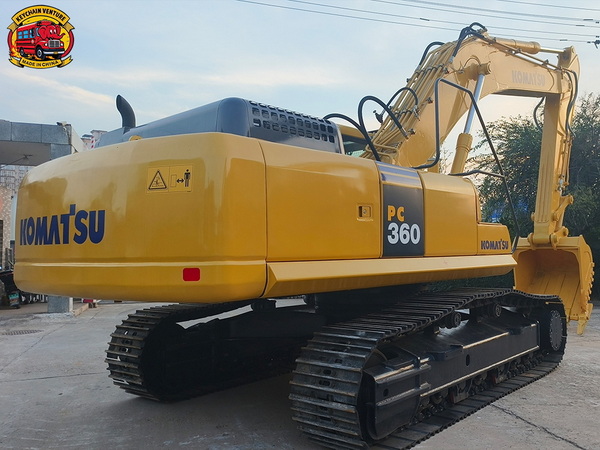
Hydraulics use pressurized fluid to transmit power and motion through hoses, valves, cylinders, and motors. In a Used Excavator, the diesel engine drives a hydraulic pump that converts mechanical energy into hydraulic energy by pressurizing oil and pushing it through the circuit. The pressurized oil then moves into cylinders and motors where it is transformed into linear or rotary motion to power the boom, arm, bucket, swing, and travel functions.[1][2]
Because hydraulic fluid is essentially incompressible, small changes in pressure can generate very high forces in a compact space, giving even a compact Used Excavator surprisingly strong digging and lifting capability. This high power density explains why hydraulics dominate in construction machinery where force, control, and durability are critical.[8][1]
A typical excavator hydraulic system combines several key components into a closed circuit. In the context of a Used Excavator, the condition of each of these parts strongly influences performance and resale value.
The hydraulic pump is driven directly or indirectly by the engine. It draws oil from the reservoir and sends it into the system at high pressure. Excavators commonly use:
- Gear pumps for simpler, lower-pressure systems.
- Piston pumps for higher pressure, efficiency, and variable-displacement control in modern machines.[6][7]
A healthy pump allows a Used Excavator to maintain strong, consistent digging power. Wear in the pump often shows up as slow or weak hydraulic responses, especially under load.[10][6]
Hydraulic cylinders provide linear motion, controlling the boom, arm, bucket, and sometimes blade or auxiliary attachments. When pressurized oil fills one side of the cylinder, the piston rod extends or retracts, generating force proportional to the oil pressure and piston area.[3][5]
On a Used Excavator, cylinder rods and seals should be inspected for pitting, scoring, or leaks. Excessive leakage or uneven cylinder movement can indicate internal wear that reduces efficiency and control.[7][3]
Control valves (main control valve block and smaller auxiliary valves) regulate the direction and amount of hydraulic flow going to cylinders and motors. The operator's joysticks or pedals move these valves, which then proportionally route oil to specific functions.[6][8]
In a well-maintained Used Excavator, these valves allow smooth, predictable boom, arm, and bucket motion. Sticky or worn valves can cause jerky movement, dead zones in joystick travel, or poor multi-function performance.[8][10]
Hydraulic motors convert fluid energy into rotary motion. On an excavator, they typically drive:
- Swing motor for rotating the upper structure.
- Travel (final drive) motors for moving the tracks.
Strong, responsive motors are essential for a Used Excavator to swing, track, and pivot accurately, especially on uneven or soft ground.[6][8]
The reservoir stores and cools hydraulic oil and allows air and contaminants to separate. Filters remove fine particles, while hoses and fittings transport pressurized fluid across the machine.[7][10]
In the used market, clean hydraulic oil, intact hoses, and a relatively dry undercarriage and boom area are positive signs. A Used Excavator with many old, cracked hoses or dirty oil usually needs immediate service to prevent more serious failures.[10][7]
Every movement in a Used Excavator is the result of controlling pressure and flow inside the hydraulic system. The process can be broken into several stages.
First, the diesel engine spins the hydraulic pump. As the throttle increases, the pump speed and available flow rise. In modern excavators, variable-displacement pumps adjust output based on load and operator commands, reducing unnecessary energy loss.[2][6]
The pump sends pressurized oil to the main control valve block. When the operator's joystick is in neutral, the system may use an open-center or load-sensing arrangement to reduce flow and save fuel. Once the joystick moves, spools in the control valve shift, opening specific paths for fluid to travel toward selected actuators.[5][8]
When the boom-up joystick is pulled, oil is directed to the bottom chamber of the boom cylinder. The resulting pressure pushes the piston rod outward, lifting the boom. For boom-down, the valve reverses flow, and oil goes to the opposite side of the piston while return oil flows back to the tank.[1][6]
The same principle powers:
- Arm in/out movements for controlling reach and trench depth.
- Bucket curl and dump motions for loading, grading, and breaking.
- Swing function via the swing motor to rotate the upper structure.
- Travel motors to drive the tracks forward, backward, or pivot on one side.
In a responsive Used Excavator, these transitions feel smooth, with consistent speed even when multiple functions operate at once.[5][8]
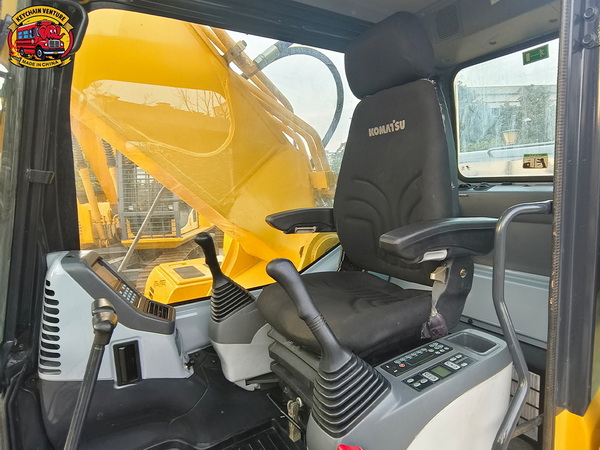
Excavators may use open-loop or closed-loop hydraulic systems, or a mix of both depending on the manufacturer and model.
- Open-loop systems send oil from the pump to the control valve and actuators and then back to the reservoir. These circuits are common and simpler to service on many standard and compact Used Excavator models.[10][6]
- Closed-loop systems recirculate oil directly between pump and motor without returning to the tank each cycle. These are often used for specific high-efficiency functions, like drive systems, where rapid response and high efficiency are needed.[6][10]
Knowing which system a Used Excavator uses can guide troubleshooting and parts sourcing, especially for swing and travel functions.
Modern excavators increasingly rely on load-sensing or pressure-compensated hydraulic systems. Sensors detect the pressure requirement at actuators, and the pump adjusts its displacement to meet demand without overproducing flow.[2][8]
For a Used Excavator, a well-functioning load-sensing system provides:
- Better fuel economy because the engine does not work against unnecessary pressure.
- Faster cycle times as flow is prioritized to active functions.
- Lower heat generation, extending the life of components and hydraulic oil.[2][10]
When these systems degrade, operators may notice sluggish performance, higher fuel usage, or overheating during continuous digging.
Hydraulics do more than move the standard boom, arm, and bucket. Auxiliary hydraulic circuits allow a Used Excavator to power tools and attachments:
- Hydraulic breakers for demolition.
- Augers for drilling.
- Grapples for material handling.
- Tiltrotators for advanced grading and positioning.
Auxiliary lines, flow settings, and quick coupler configurations significantly influence how effectively a Used Excavator can be repurposed for different job types. Buyers seeking multi-role machines should pay close attention to auxiliary hydraulic capacity and control options.[8][10]
Proper maintenance ensures that excavator hydraulics stay powerful and reliable, which is crucial when evaluating or operating a Used Excavator.
- Regular oil changes according to hours and manufacturer recommendations prevent contamination and viscosity breakdown.
- Filter replacements keep fine particles from damaging pumps, valves, and cylinders.
- Oil sampling and analysis can reveal early signs of wear, water contamination, or overheating.[7][6]
A service history that documents consistent fluid and filter changes greatly increases confidence when purchasing a Used Excavator.
Before buying or deploying a machine, it is wise to:
- Inspect hoses, fittings, and cylinders for leaks, cracks, or damaged protection sleeves.
- Check rod surfaces for rust and scoring.
- Operate the boom, arm, bucket, swing, and travel functions under load to detect lag, noise, or jerky operation.
Hydraulic leaks or loss of pressure on a Used Excavator often point to worn seals, hoses, or internal wear in pumps and valves, which may require more extensive repairs.[7][8]
Certain symptoms frequently appear in the hydraulic systems of older or heavily-used machines.
- Slow or weak digging force can result from a tired pump, internal cylinder leakage, clogged filters, or relief valves set too low.
- Erratic movement or “chatter” may indicate air in the system, contamination, sticky valves, or worn components.
- Overheating hydraulic oil often suggests high internal leakage, overloading, incorrect settings, or restricted cooling flow.[3][6]
When assessing a Used Excavator, quantifying these issues helps determine whether a machine needs minor servicing or major overhaul.
Hydraulic systems store and transmit significant energy; improper handling can be dangerous, especially with a large Used Excavator that has unknown service history.
Key precautions include:
- Relieving hydraulic pressure before disconnecting any lines.
- Never using hands to search for leaks, as high-pressure oil jets can penetrate skin.
- Supporting raised equipment with mechanical locks, not just hydraulics, during maintenance.
- Following lockout/tagout procedures when servicing pumps, valves, and cylinders.[8][6]
Safe practices protect both personnel and the integrity of the hydraulic system.
Because virtually every working motion depends on hydraulics, system health is a major determinant of excavator productivity. For fleet owners and contractors, a Used Excavator with strong, efficient hydraulics can still compete with newer models, especially if engines and structures are sound.
Well-tuned hydraulic systems deliver:
- Fast cycle times for digging, loading, and dumping.
- Precise, smooth control for finishing work and tight spaces.
- Lower operating costs through fuel savings and reduced component stress.[2][10]
These advantages are why hydraulic testing and inspection are standard steps in professional used-equipment appraisal.
Refurbishing and modernizing hydraulic systems on a Used Excavator can extend machine life and reduce environmental impact. Rebuilding pumps, replacing seals, installing modern load-sensing controls, or using biodegradable hydraulic fluids can bring older machines closer to current performance and emission expectations without full replacement.[6][8]
For operators focused on total cost of ownership, investing in hydraulic upgrades often delivers strong returns by reducing fuel usage, downtime, and the need for new equipment purchases.
Hydraulics turn an excavator from a static frame into a precise, powerful, and versatile tool capable of digging, lifting, swinging, and traveling under heavy loads. In every Used Excavator, the hydraulic pump, cylinders, valves, motors, reservoir, and hoses work together to convert engine power into controlled motion at the bucket edge. Understanding how these systems operate, how they fail, and how to maintain them helps owners make better purchase decisions, schedule proactive service, and unlock the full value of used equipment. With proper care, a well-maintained Used Excavator can deliver many more years of reliable hydraulic performance on demanding job sites.
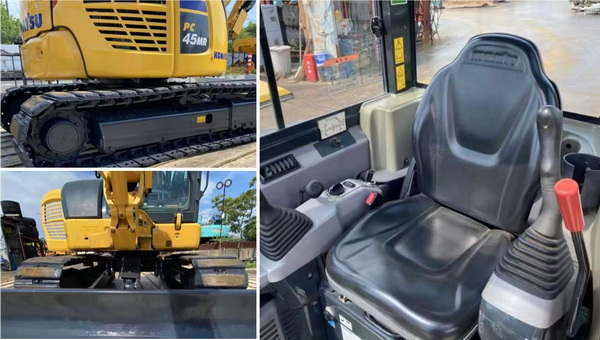
The hydraulic pump converts engine power into hydraulic energy by pressurizing oil and sending it into the excavator's circuits, supplying the force needed for all boom, arm, bucket, swing, and travel movements on a Used Excavator.[10][6]
Signs of weak hydraulics include slow cycle times, difficulty digging or lifting rated loads, and noticeable loss of power when multiple functions are used together. These symptoms may indicate pump wear, internal leakage, clogged filters, or incorrectly set relief valves in a Used Excavator.[3][6]
Contaminated or degraded oil accelerates wear in pumps, valves, and cylinders, increases heat, and can cause sticking or failure of critical components. Clean, correctly specified oil helps a Used Excavator maintain strong, efficient hydraulic performance and reduces repair costs.[7][10]
Yes, many Used Excavator models support hydraulic attachments such as breakers, augers, and grapples through auxiliary hydraulic circuits. It is essential to match flow and pressure requirements and to ensure that controls and couplers are compatible with the chosen tools.[8][10]
Service intervals depend on operating hours, environment, and manufacturer recommendations, but common practices include regular oil and filter changes, periodic hose inspections, and system performance checks. Following the recommended intervals keeps a Used Excavator safe, efficient, and productive over its remaining life.[6][7]
[1](https://www.basworld.com/content/the-hydraulic-functions-of-excavators)
[2](https://www.volvoce.com/united-states/en-us/resources/blog/2025/understanding-excavator-hydraulics-part-1/)
[3](https://lntcmb.com/hydraulic-excavator-working-principle/)
[4](https://www.youtube.com/watch?v=_6kcGBbEdOc)
[5](https://ahmcorp.com/blogs/news/mini-excavator-hydraulic-systems-explained)
[6](https://www.ynfmachinery.com/how-excavator-hydraulics-function/)
[7](https://joyt5.com/blogs/about-mini-excavators/main-components-of-the-excavator-hydraulic-system)
[8](https://construction-equipment-gw.nors.com/resources/blogs/hydraulic-systems-in-excavators-how-they-work-and-their-importance/)
[9](https://www.youtube.com/watch?v=FWFRvONH2rU)
[10](https://www.gregorypoole.com/complete-guide-to-construction-equipment-hydraulic-systems/)


