
Views: 222 Author: Amanda Publish Time: 2025-09-07 Origin: Site


Content Menu
● Introduction to Buying a Used Tractor
● Evaluating a Used Tractor: Key Considerations Before Purchase
>> Tractor Condition and Maintenance History
>> Compatibility with Farming Needs
>> Availability of Spare Parts and Support
● The Buying Process: Steps to Secure a Good Deal
>> Negotiation
>> Finalizing the Purchase and Paperwork
● Benefits of Buying a Used Tractor for $12,000
● Potential Risks and Mitigation Strategies
>> Older Technology and Fuel Efficiency
● Maintenance Tips for Longevity of Used Tractors
● Leveraging Technology with a Used Tractor
● Environmental Considerations: Sustainability through Used Tractor Ownership
● Financing a $12,000 Used Tractor Purchase
● Expanding the Tractor Fleet: When to Invest in Additional Machinery
● Frequently Asked Questions (FAQ)
>> 1. What should I look for when buying a used tractor?
>> 2. How long does a used tractor typically last?
>> 3. Are used tractors covered by warranties?
>> 4. How can I finance a used tractor purchase?
>> 5. Is buying a used tractor better than renting?
In the ever-evolving world of agriculture, the right machinery can make all the difference. For many farmers, purchasing equipment involves balancing budget constraints and operational needs. Today, we'll explore a fascinating case: a farmer who buys a used tractor for $12,000. This story not only unpacks the decision-making process behind choosing a used tractor but also dives into its benefits, what to watch out for, and best practices for maximizing the investment.
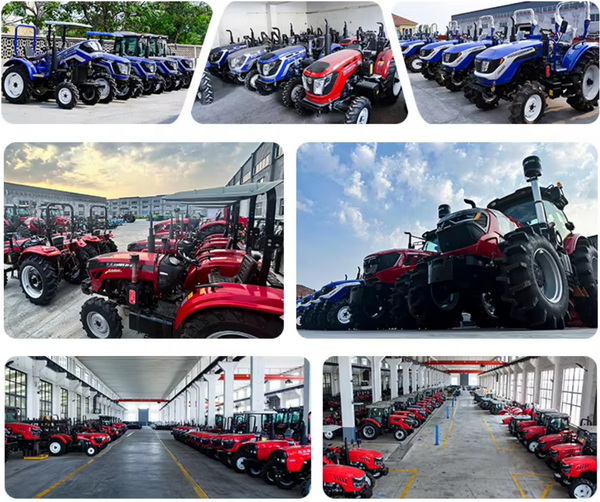
Tractors are the backbone of modern farming operations. New models come with cutting-edge technologies but often carry hefty price tags. This price barrier pushes many farmers to opt for used tractors—a practical solution offering affordability without sacrificing performance.
The farmer in question faced this dilemma: needing reliable machinery but constrained by budget. Spending $12,000 on a used tractor, a significant investment for many, posed both opportunity and risk.
The condition of a used tractor directly impacts longevity and performance. The farmer meticulously inspected the machine for signs of wear including engine health, hydraulic systems, tires, and electrical components. He checked for leaks, unusual noises, or visible rust, noting that a well-maintained tractor will exhibit clean oil levels, smooth hydraulic functions, and responsive controls.
Much like mileage on a car, the hours logged on a tractor reveal its usage intensity. Low to moderate hours usually indicate less wear and suggest that the tractor has remaining operational life. The farmer's unit had roughly 3,500 hours, which for its make and model was considered moderate and reasonably well used but not overtly worn.
Different farms have varied needs—plowing, hauling, or planting. The chosen tractor had to suit the specific tasks at hand, ensuring versatility and efficiency. The farmer's land size and crop types influenced the tractor's horsepower and attachability to various implements, including plows, seeders, and trailers.
Buying a used tractor from a reputable brand or dealer ensures easier access to parts and after-sale servicing. The farmer prioritized brands popular in his region, knowing parts and knowledgeable mechanics would be readily available to keep the tractor operational.
The farmer began by surveying local dealers, online listings, and agricultural auctions. Comparing prices and features highlighted where $12,000 could stretch the furthest. He also consulted fellow farmers and agricultural forums to gather insights on common pitfalls and good deals.
A hands-on inspection and working test ride allowed the farmer to experience the tractor's condition firsthand. He tested the tractor on different surfaces and operated all controls, checking the responsiveness of brakes, steering, clutches, and gear shifts.
Negotiating a fair price was vital, especially since some maintenance and minor repairs were expected. The farmer used his inspection notes to discuss potential costs with the seller, successfully lowering the price by $800 and also securing a small set of spare parts included in the deal.
Proper documentation, including title transfer, service records, and warranty terms if any, was essential. The farmer ensured that legal ownership was clearly transferred and all prior maintenance history was verifiable.
Opting for a used tractor allowed the farmer to start mechanizing his operations without the high upfront cost of a new machine. This $12,000 investment was nearly half the cost of an entry-level new tractor with similar features, allowing capital to be allocated to seeds, fertilizers, and other needs.
Buying a used tractor that had been tested on the field for several years meant the farmer was purchasing proven equipment. The evaluation and maintenance history suggested it would continue to perform dependably.
New tractors often come with waiting times stretching weeks or months. The ability to purchase a ready-to-use tractor accelerated the farmer's planting schedule and productivity cycle.
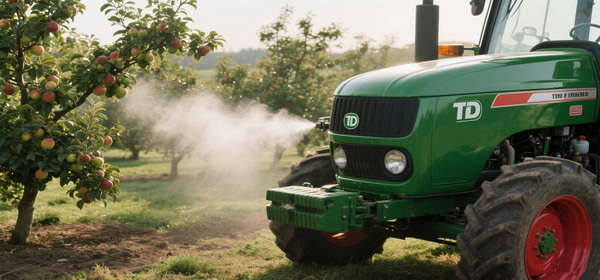
Despite all benefits, buying a used tractor has inherent risks:
Not every issue is visible during inspection. Internal engine wear, transmission faults, or imminent part failures can surface later. The farmer mitigated this risk by commissioning a professional mechanic to assess the tractor thoroughly and by reserving some budget for immediate minor repairs.
Older tractors might lack fuel-saving technologies or comfort features found on newer models. However, for many farmers, operational reliability outweighs the benefit of advanced features. The farmer accepted this trade-off, supported by the reasonable fuel economy he experienced in the first season.
Most used tractors do not come with extensive warranties. To offset this, the farmer insisted on a short-term limited warranty offered by the dealer to cover any major malfunctions within three months of purchase.
A key to making the $12,000 used tractor a profitable investment is diligent upkeep. Some vital maintenance tips include:
- Regular Fluid Checks and Changes: Oil, coolant, and transmission fluids should be checked often and replaced as recommended.
- Tire Inspection and Inflation: Maintaining correct tire pressure extends tire life and improves fuel efficiency.
- Hydraulic System Monitoring: Inspect seals and lines regularly for leaks and maintain appropriate hydraulic fluid levels.
- Battery Care: Clean battery terminals and ensure charging systems are functional.
- Cleaning Air and Fuel Filters: This prevents engine wear and improves combustion.
- Scheduled Professional Servicing: Routine checkups by a qualified mechanic help identify early signs of wear.
Even if the tractor lacks built-in advanced technology, its functionality can be enhanced by integrating external tools such as GPS mapping devices or telematics systems. This approach boosts precision farming and monitoring, enabling better field usage and cost control.
Purchasing a used tractor contributes to environmental sustainability by extending the machinery's life cycle and reducing the demand for new manufacturing. This practice decreases material consumption and carbon emissions associated with producing a new tractor. In addition, by maintaining the used tractor properly and using it efficiently, the farmer minimized waste and energy use.
While some may have cash available, many farmers seek financing solutions. Agricultural credit programs, government subsidies, and loans from banks offer accessible options. The farmer considered interest rates, repayment terms, and flexibility before choosing a local agricultural loan designed to assist small and medium operations.
As the farm expands, so too does the need for additional tractors or machinery. Applying the same due diligence for future purchases ensures the farmer can scale operations sustainably without compromising productivity or financial health. Timing new purchases between peak seasons also allows for better price negotiations.
Buying a used tractor for $12,000 can be an excellent investment for farmers balancing budget and capability. With careful evaluation, thorough inspections, and proper maintenance, used tractors offer cost-effective, reliable solutions to meet a wide range of agricultural needs. This approach not only supports operational efficiency but also promotes sustainability through extended equipment lifecycle use. The farmer's story demonstrates how strategic decisions lead to fruitful outcomes and set the foundation for future farm growth.
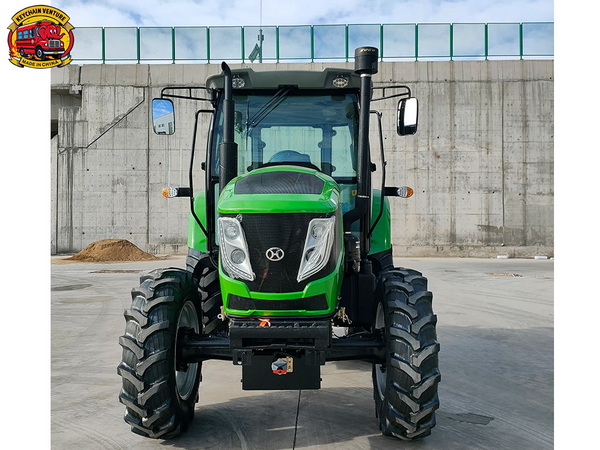
Check the tractor's engine, transmission, hydraulics, tires, service history, and operational hours. Inspect for leaks, rust, and abnormal noises, and consider bringing a professional mechanic for a thorough evaluation.
With proper maintenance, used tractors can last 15 to 20 years or more. The actual lifespan depends on model quality, usage severity, and maintenance diligence.
Most used tractors are sold as-is, but some reputable dealers offer limited warranties or service contracts, especially for recent models. It's important to clarify warranty coverage before purchase.
Financing options include agricultural loans, leasing, government grants, and credit programs tailored for farmers. Contacting local banks or agricultural development agencies is a good start.
If you require long-term usage, buying a used tractor is generally more cost-effective and provides asset ownership benefits. Renting can be advantageous for short-term or seasonal needs but may become costly over time.


