
Views: 222 Author: Amanda Publish Time: 2025-08-21 Origin: Site


Content Menu
● What Is Cultural Anthropology?
>> Common Methods Used by Cultural Anthropologists
● Archaeology and Excavation: A Brief Overview
>> Role of Excavation in Archaeology
● Do Cultural Anthropologists Use Excavation?
>> Ethnoarchaeology and Excavation
>> When Cultural Anthropologists Use Excavation
● The Importance of Used Excavators in Site Preparation
>> Benefits of Using a Used Excavator
● Case Studies: Cultural Anthropology and Excavation
>> Case Study 1: Industrial Heritage Study in China
>> Case Study 2: Urban Anthropology in Rapidly Modernizing Cities
>> Case Study 3: Ethnoarchaeology in Rural Communities
● How Excavation Enhances Cultural Anthropology Research
● Modern Technology and Excavation Tools in Anthropology
>> Digital Documentation and Excavation
>> Environmental and Cultural Sensitivity
● FAQ
>> 1. Do cultural anthropologists perform large-scale excavations?
>> 2. How does a used excavator support cultural research projects?
>> 3. Can excavation findings influence cultural anthropology theories?
>> 4. Is excavation applicable in urban anthropology research?
>> 5. Are there ethical concerns involved in using excavation tools for cultural anthropology?
Cultural anthropology is the study of human societies, their customs, beliefs, and social structures. This discipline aims to understand how people live and make meaning in their cultures. Excavation, on the other hand, is traditionally associated with archaeology—the systematic study of past human activity through the recovery of physical remains. But can cultural anthropologists, whose focus is often on living cultures, also use excavation as part of their research tools?
In this article, we will explore the relationship between cultural anthropology and excavation, clarifying how practices such as using a used excavator might fit within the scope of cultural research. We will cover traditional anthropological methods, the role of excavation in uncovering cultural heritage, and the interdisciplinary overlap with archaeology. Along the way, we will reference relevant examples and delve into how modern tools—including heavy machinery like a used excavator—facilitate the investigation of material culture and historical artifacts.
Cultural anthropology studies living human cultures, including language, religion, economics, politics, and social organization. Unlike archaeology, which investigates ancient structures and artifacts, cultural anthropology often relies on ethnographic methods such as participant observation, fieldwork, and qualitative interviews.
Most cultural anthropologists analyze contemporary societies, seeking to interpret cultural meanings and social interactions without necessarily digging into the soil.
- Ethnography: Immersion in and observation of a community to gather detailed cultural insights.
- Interviews and Oral Histories: Collecting personal stories and community knowledge directly from people.
- Comparative Analysis: Cross-cultural studies to identify similarities and differences in cultural patterns.
- Material Culture Analysis: Studying objects and artifacts within communities, often examining their symbolic and practical uses without formal excavation.
Although cultural anthropologists engage deeply with material culture, the actual physical digging or excavation of archaeological sites is not typically their primary method.
Excavation is a fundamental archaeological technique involving the systematic excavation and recording of archaeological loci to uncover and study buried features. Excavation unearths physical evidence of past human activity that can span hundreds or thousands of years.
- Unearthing Artifacts: Such as pottery, tools, weapons, and human remains that reveal past lifeways.
- Chronological Analysis: Studying layers or strata of settlements to understand historic sequences.
- Environmental Reconstruction: Assessing soil, pollen, and other ecological data to interpret how ancient people adapted.
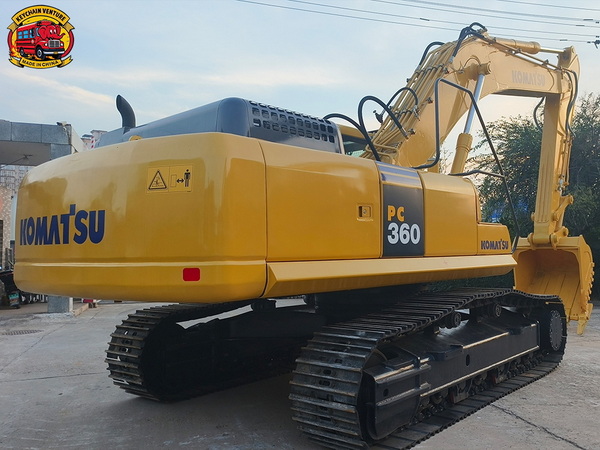
Excavation can be manual or mechanized, depending on the site's size, sensitivity, and research goals. In large or industrial settings, heavy equipment such as a used excavator is often employed for initial clearing and removal of overlying soil layers.
The answer to whether cultural anthropologists perform excavation is nuanced. While excavation is primarily an archaeological method, cultural anthropologists sometimes engage in excavation-like activities, especially when working at the intersection of cultural anthropology and archaeology—commonly referred to as ethnoarchaeology.
Ethnoarchaeology involves studying contemporary peoples to understand how cultural behaviors relate to material remains. Cultural anthropologists who engage in ethnoarchaeology may participate in or oversee sampling and excavation processes to contextualize the life histories of artifacts or site usage.
In this framework, employing a used excavator might be practical for removing topsoil or industrial debris, especially when working in large or complex sites linked to recent cultural histories.
- Industrial and Historical Site Analysis: Investigating how communities interacted with industrial production facilities, uncovering discarded tools or machinery.
- Urban Anthropology: Excavating recent urban layers to document social transformations and cultural shifts.
- Environmental and Cultural Heritage Projects: Collaborating with archaeologists in examining sites that span continuity between past and present cultures.
While excavation is not mainstream in cultural anthropology, it is a valuable tool for deepening material understanding when coupled with ethnographic methods.
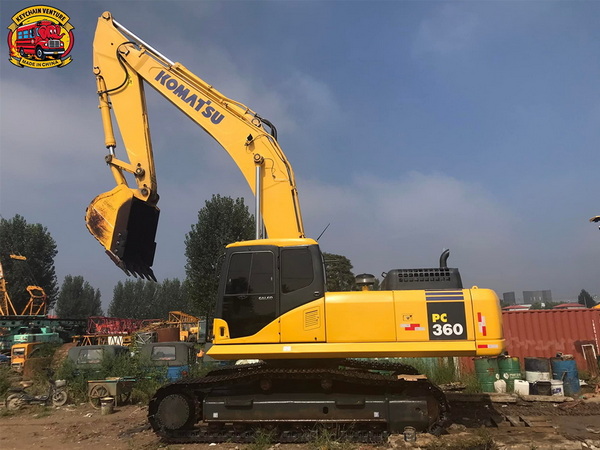
In practical terms, a used excavator is vital to many fieldwork scenarios involving excavation. Excavators make site access and preparation efficient and cost-effective.
- Cost-Effectiveness: Compared to newer machinery, used excavators reduce equipment acquisition costs for research teams working within budget constraints.
- Versatility: Excavators come with various attachments such as buckets, brushes, and breakers, allowing for fine-grained excavation or bulk soil removal depending on the task.
- Efficiency: Heavy machinery expedites removing overburden layers (soil covering the archaeological deposits), enabling researchers to focus on meticulous hand excavation when necessary.
For interdisciplinary teams combining cultural anthropology and archaeology, used excavators provide an ideal balance by facilitating large-scale preliminary work while preserving cultural deposits.
Researchers investigating the cultural impacts of heavy vehicle manufacturing engaged in documenting early 20th-century industrial workshops. Employing a used excavator to carefully clear large areas of compacted soil and debris from abandoned sites enabled cultural anthropologists to collaborate with archaeologists in recovering material evidence of working-class histories.
The excavation produced artifacts such as old machine parts, personal effects, and factory tools, sparking deeper ethnographic studies into the community's collective memory and identity.
In rapidly evolving urban centers, layers of demolished and rebuilt infrastructure often conceal rich cultural histories. Cultural anthropologists used shallow excavation methods, supported by a used excavator for removing rubble, to expose the material culture of neighborhoods undergoing gentrification.
Material remains like household items, construction materials, and industrial remnants were documented alongside interviews with long-term residents to capture socio-cultural transitions.
Ethnoarchaeologists studying nomadic pastoralists documented the spatial organization of campsites by excavating shallow deposits of domestic waste and tool fragments. Small used excavators assisted in removing surface soil layers without damaging fragile artifacts, allowing researchers to connect settlement patterns with cultural behaviors.
Though excavation is not a primary method in cultural anthropology, it complements ethnographic approaches by offering tangible material evidence that enriches cultural narratives and interpretations.
- Excavation offers historical context for current social practices, providing depth to cultural analysis.
- It helps uncover the material traces of traditions, rituals, and community activities no longer visible.
- Excavation bridges past and present, showing cultural continuity or disruption over time.
- Combined with ethnographic data, excavation findings contribute to a holistic understanding of human behaviors.
Material culture studies benefit greatly when physical artifacts are recovered, cataloged, and analyzed alongside ethnographic field notes, making excavation a valuable interdisciplinary tool.
The modern anthropology field increasingly integrates advanced excavation tools and digital technologies to improve research accuracy and efficiency.
- GIS Mapping: Geospatial technologies allow researchers to precisely document excavation contexts and spatial relationships of artifacts.
- 3D Scanning and Modeling: These technologies create virtual representations of sites and artifacts, saving time and enabling wider analysis.
- Drone Surveying: Overhead imagery with drones complements excavation by revealing site topography and environmental features.
Using smaller or well-maintained used excavators helps minimize disturbance to fragile cultural contexts. Responsible excavation considers local communities' perspectives and legal frameworks, ensuring ethical respect for cultural heritage.
Excavation, while primarily an archaeological process, has a meaningful role within cultural anthropology, particularly when the boundaries between past and present cultures blur. Cultural anthropologists increasingly collaborate with archaeologists using excavation to physically uncover artifacts and material culture that ethnographic methods alone cannot reveal.
Heavy machinery such as used excavators provides critical efficiency and cost savings for site preparation and overburden removal, allowing researchers to focus on detailed investigation. This interdisciplinary approach enriches cultural understanding by combining tangible archaeological evidence with cultural narratives, deepening insight into human societies.
As cultural anthropology continues evolving, embracing excavation—supported by modern technology and practical tools like used excavators—offers promising avenues for comprehensive cultural research.
Generally, no. Large-scale excavations are traditionally the domain of archaeologists, but cultural anthropologists may participate in smaller digs or collaborative, interdisciplinary excavations.
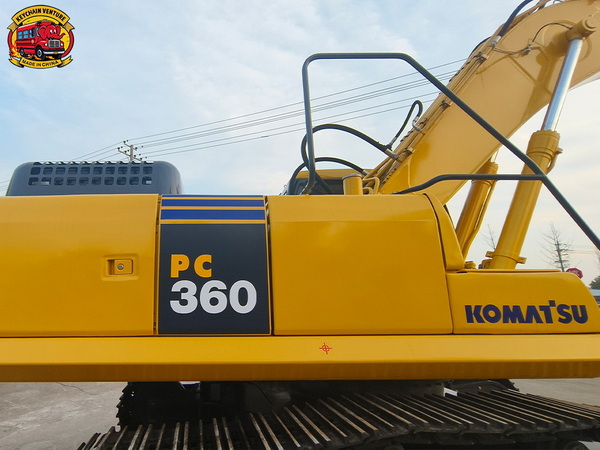
A used excavator provides an economical and efficient means to remove surface soil and debris, making excavation sites accessible while protecting deeper cultural deposits for detailed study.
Yes. Physical artifacts retrieved through excavation can verify, challenge, or expand upon ethnographic findings, providing multidimensional insights into cultural practices.
Yes. Urban anthropologists may use excavation to uncover layers of historic and modern cultural residues, helping document social transformations obscured by ongoing development.
Absolutely. Excavation must be conducted sensitively, respecting fragile contexts, engaging local communities, and adhering to legal and cultural heritage protections.


