


Content Menu
● Why Rent a Water Truck Instead of Buying?
>> Advantages of Renting a Water Truck
>> Dust Control on Construction Sites
>> Soil Compaction and Roadwork
>> Agricultural and Landscaping Irrigation
>> Firefighting and Emergency Services
● Key Factors to Consider When Renting a Water Truck
>> Vehicle Size and Drive Type
>> Rental Duration and Pricing
● Typical Rental Costs for Water Trucks
● Popular Industries Utilizing Water Truck Rentals
>> Construction and Infrastructure Development
>> Mining and Quarry Operations
>> Event Management and Film Production
● Enhancing Your Project with Water Truck Rentals: Case Study
● Water Truck Rental Tips for International Clients
● Frequently Asked Questions (FAQ)
>> 1. What size water truck should I rent for my construction site?
>> 2. Are there different types of water trucks available for rent?
>> 3. Do rental companies provide operators for water trucks?
>> 4. How is water supplied to the truck during operation?
>> 5. Can water trucks be used for firefighting activities?
Water trucks are essential equipment widely used in various industries such as construction, agriculture, mining, and municipal services. If your project requires effective dust control, material compaction, landscaping, or emergency services, a water truck may be exactly what you need. But can you rent a water truck instead of buying one? This comprehensive guide will explore everything you need to know about water truck rentals, including their benefits, common uses, rental costs, and where to find reliable suppliers.
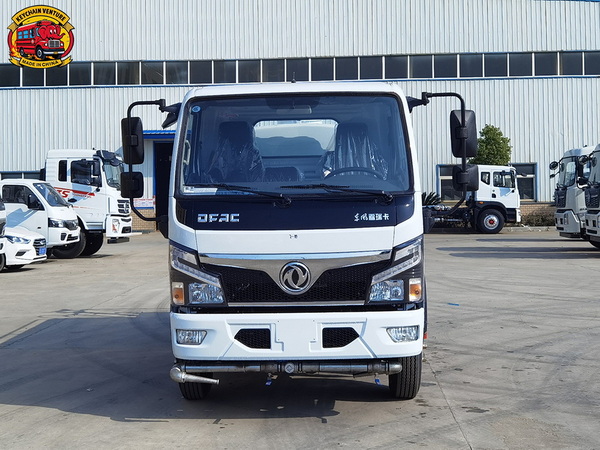
A water truck is a specialized vehicle equipped with a large tank designed to transport and distribute water efficiently. Commonly used to control dust on construction sites, facilitate soil compaction activities, and provide water for firefighting or agricultural irrigation, water trucks come in a variety of sizes and specifications tailored to meet different operational needs.
Water trucks typically have:
- Tanks ranging from 1,000 to over 10,000 gallons.
- Spray bars or hose attachments.
- Pumps to regulate water flow and pressure.
- Chassis types that include heavy-duty trucks and commercial vehicles.
These vehicles are engineered for durability and high performance, able to operate in rugged environments such as construction zones, agricultural fields, mines, and rural landscapes. Because water trucks serve critical operational functions, their design focuses on reliability and versatility, making them indispensable for enterprises needing reliable water distribution.
Purchasing a water truck can be a significant investment, often costing hundreds of thousands of dollars depending on the specifications and customizations. For many businesses or project owners, renting these vehicles can be more cost-effective and flexible.
- Cost Savings: Avoid hefty upfront equipment costs and potential depreciation.
- Flexibility: Rent only for the duration of your project—whether days, weeks, or months.
- Maintenance and Repairs: Rental companies usually handle vehicle upkeep, ensuring the truck is in optimal condition.
- Access to Latest Models: Rentals often include newer, well-maintained trucks with modern features, allowing you to benefit from technological advancements without capital investment.
- Less Storage Requirement: No need to find a permanent yard or facility to house an infrequently used vehicle.
- Scalable Fleet Options: Rental companies typically have multiple trucks available, allowing you to scale your fleet up or down as project demands change.
For businesses with seasonal or short-term demands, water truck rentals provide an ideal balance of operational readiness and budget management. Additionally, companies focused on core competencies can delegate vehicle maintenance and management responsibilities to rental specialists.
Water trucks have versatile applications across multiple industries and projects. Their primary function is to provide effective, mobile water distribution tailored to site-specific needs.
Dust is a major concern on construction sites because it can obscure visibility, cause respiratory problems, and lead to regulatory penalties. Water trucks sprinkle water across exposed soil, haul roads, and stockpiles to bind dust particles and prevent them from becoming airborne, significantly improving air quality and worker safety.
Achieving proper soil moisture is essential for compaction of subgrade materials in road construction and earthworks. Water trucks assist by applying controlled water volumes to soil surfaces, enabling efficient compaction and improving the stability and longevity of paved roads and infrastructure.
In rural or newly developed areas lacking fixed irrigation systems, water trucks provide a flexible solution for irrigating crops, trees, and landscapes. They also support planting activities by maintaining soil moisture and reducing water stress on seedlings.
Water trucks play a critical role in fire suppression, especially in locations without hydrants or when water resources are limited. Equipped with high-pressure pumps and hoses, these trucks transport water directly to firelines or remote locations, supporting wildland firefighting and community protection efforts.

Renting a water truck involves several practical steps to ensure the vehicle matches your operational requirements and project timelines.
1. Identify Your Requirements: Assess your project scale and objectives to determine tank size, spray system type, and chassis needs.
2. Find Rental Providers: Search for companies specializing in commercial vehicle rentals with water truck availability.
3. Request a Quote: Provide details such as rental duration, water delivery specs, geographic location, and any special equipment needs.
4. Review Rental Terms: Understand policies on fuel usage, mileage limits, maintenance responsibilities, and insurance coverage.
5. Schedule Delivery or Pickup: Arrange for the truck to be shipped to your site or pick it up from the rental yard.
6. Training and Operation: Ensure operators receive training on vehicle safety and spray system operation if necessary.
Many rental companies also offer consultation services to help you select the right truck and spray system for your application, ensuring you receive optimal performance.
Selecting a tank size that aligns with your daily workload and water source availability is critical. Larger tanks reduce the frequency of refills but can be cumbersome in tight job sites.
Water trucks come equipped with different types of spray bars, nozzles, and pumps. Evaluate whether you need misting functions, adjustable spray patterns, or high-pressure hoses based on your project's water distribution needs.
Ensure the chassis can handle the terrain. For rough or uneven sites, 4x4 or off-road capable trucks provide better performance and safety.
Balance rental length with project phases. Longer rentals may reduce daily rates but could increase total costs if the truck sits idle.
Clarify who bears responsibility for damages or accidents during the rental. Some rental agreements include insurance options; others require clients to provide coverage.
Rental fees vary greatly depending on factors like truck size, features, location, and rental duration. Here are estimated cost ranges:
- Daily rentals: $250 to $500
- Weekly rentals: $1,200 to $2,500
- Monthly rentals: $4,500 to $8,000
Additional costs often include fuel, delivery charges, operator fees, and deposits. Early negotiation with rental firms can clarify these costs and prevent surprises.
Water trucks are indispensable at construction sites for dust suppression and soil preparation, helping companies adhere to environmental regulations and maintain job site safety.
Heavy dust generation in mining environments is mitigated through water truck sprays, enabling cleaner air and compliance with mining regulations.
Water trucks irrigate plantations and provide firefighting support, particularly in vast or difficult-to-access rural locations.
Temporary outdoor venues rely on water trucks for landscape preparation and dust control, especially when construction or filming involves large equipment and heavy vehicles.
A major road construction company in northern China recently rented several high-capacity water trucks throughout a multi-month infrastructure project to meet strict dust control mandates. The trucks' advanced spray bar systems ensured consistent water distribution over haul roads, reducing dust complaints from nearby communities by over 50%.
Moreover, the flexibility of rental contracts enabled the company to increase the fleet during peak construction phases and reduce it during slower periods, optimizing their budget significantly. This case highlights how strategic water truck rental can enhance compliance and operational efficiency without long-term investment.
For companies outside China looking to rent water trucks from local providers such as KeyChain Venture Co., Ltd., consider:
- Lead Times: Allow adequate time for rental agreements and truck delivery.
- Custom Specifications: Ensure rental providers can customize equipment to meet international safety and environmental standards.
- Documentation: Verify licensing, insurance, and compliance documentation is available.
- Language and Support: Choose companies with multilingual support and clear communication.
Partnering with experienced suppliers who understand international project requirements can streamline rental logistics and reduce project risk.
To sum up, renting a water truck is a practical and cost-efficient solution for businesses needing temporary access to high-performance water transport and delivery vehicles. Whether you are involved in construction, agriculture, firefighting, or other projects requiring reliable water distribution, renting offers flexibility, reduced commitment, and operational convenience. By carefully assessing your specific requirements and partnering with reputable rental providers, you can optimize your project outcomes and control costs without the financial burden of ownership.
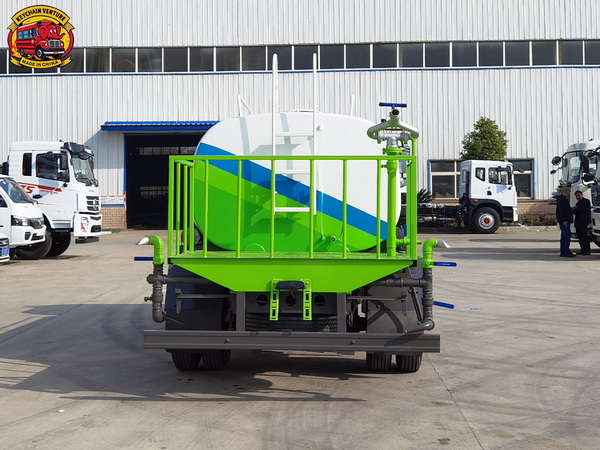
The size depends on the scale of your project. For small to medium sites, trucks ranging from 1,000 to 3,000 gallons are common. Large infrastructure projects may require trucks with 5,000+ gallon tanks.
Yes, water trucks vary by chassis type, tank size, and spray system. Some are equipped with advanced pump controls and misting sprays for specialized tasks.
Some rental services offer trucks with trained operators, especially for complex machinery. Check the terms when arranging your rental.
Water tanks are typically filled from onsite water sources, municipal hydrants, or water storage tanks prior to deployment.
Many water trucks are equipped for firefighting with high-pressure hoses and pumps, making them suitable as support vehicles in wildfire or rural fire scenarios.


