
Views: 222 Author: Amanda Publish Time: 2025-11-08 Origin: Site


Content Menu
● Tractor Tire Architecture and Its Impact on Repairs
● When a Plug Might Be Considered
● Patching: The Safer Interior Seal
● When Replacement Outweighs Repair
● Regulatory and Safety Frameworks
● Practical Maintenance Protocols for Fleets
● Integrating High-Performance Components
● Debunking Common Misconceptions
● Real-World Scenarios and Decision-Making
● Final Thoughts for Fleet Excellence
● FAQ
>> 1: Can a puncture in a tractor tire be repaired with a plug-and-patch method?
>> 2: When should a tractor tire be replaced instead of repaired?
>> 3: What maintenance practices minimize punctures on commercial tires?
>> 4: Are there regulatory requirements for tire repairs on heavy-duty vehicles?
>> 5: How should fleets balance cost, downtime, and safety in tire decisions?
This expanded article examines practical repair options for tractor tires within commercial fleet operations, with emphasis on safety, reliability, and lifecycle management. It integrates insights on how high-performance tire components and robust maintenance practices support the overall efficiency of passenger coach and heavy tractor solutions offered by KeyChain Venture Co., Ltd. The discussion also reinforces how strategic tire decisions affect uptime, safety, and cost-of-service for domestic and international customers.
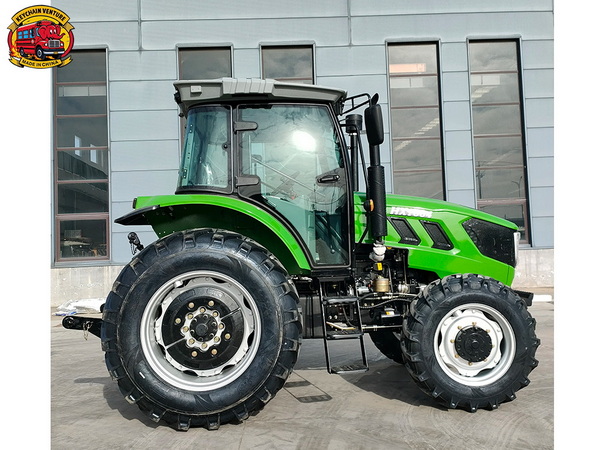
Modern tractor tires feature layered constructions—bead assemblies, belts, yarn plies, and inner liners—that determine repair viability. Field decisions must consider tire age, service history, vehicle duty cycle, and the tire's crown area versus sidewall. For commercial fleets, understanding these structural aspects helps maintenance teams choose between repair, retreading, or replacement to maintain performance across long-haul routes and urban transit applications.
In instances where punctures are small, fully contained within the tread crown, and away from the bead and sidewall, a plug-and-patch approach can be considered as a temporary or interim repair in accordance with manufacturer guidelines. The repair should be conducted using approved materials and procedures, with the understanding that it remains subject to post-repair inspection and potential retread or replacement at the next maintenance interval. For fleet operators, using a cautious, policy-driven stance minimizes downtime while preserving tire integrity during service.
Inside patches, often combined with an external plug in select cases, provide a robust seal and help prevent moisture ingress that can undermine cord integrity over time. This method is widely recommended for tubeless tires when the puncture location and tire age meet safety thresholds. In a commercial context, an interior patch is frequently favored for longer remaining life, better durability, and clearer traceability for maintenance records.
Replacement is frequently the prudent path when punctures occur near the shoulder, bead, or sidewall, or when tire aging surpasses the manufacturer's service life. For passenger coaches and heavy trucks within a fleet, replacement minimizes the risk of roadside failures, reduces unplanned downtime, and supports consistent reliability across routes. Retread options may still be viable for some tire lines, but require careful evaluation against operating conditions and cost considerations.
Tire repair and replacement practices for commercial vehicles are governed by regional and national standards, which prescribe acceptable repair methods and required post-repair inspections. Compliance supports safe operation, proper maintenance records, and readiness for safety audits. Training drivers and maintenance personnel on these guidelines ensures consistent application across diverse fleets.
1. Establish a formal tire maintenance policy that includes:
- Regular tire inspections at set intervals and after events such as impacts or uncontrollable off-road conditions.
- Clear criteria for repair versus replacement based on puncture location, size, tire age, and service history.
- Documentation workflows capturing tire serial numbers, repair type, location on the vehicle, and next inspection date.
- Inventory management for approved repair kits, patches, plugs, and replacement tires to minimize downtime.
2. Driver education should emphasize prompt reporting of punctures, avoidance of aggressive maneuvers that exacerbate damage, and adherence to inflation targets aligned with load and speed ratings.
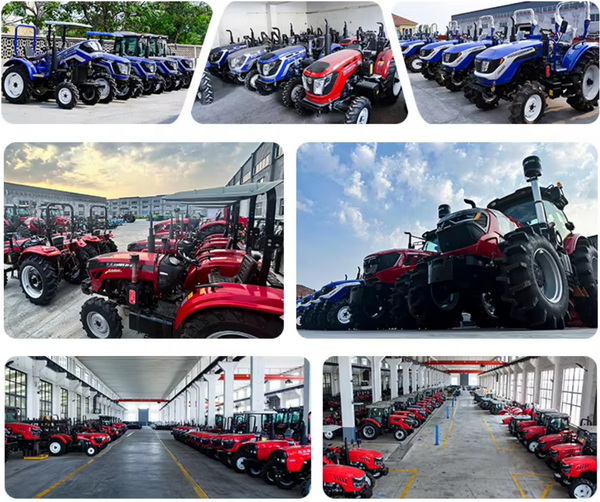
In a modern commercial fleet, tire performance is connected to a broader package of high-performance components, including rims engineered for heavy-duty duty cycles, advanced tread compounds, and retread-friendly casing designs. Selecting compatible tires and components supports traction, fuel efficiency, and durability, aligning with KeyChain Venture Co., Ltd.'s emphasis on reliable passenger transport and heavy-load solutions for international markets.
- Misconception: Any puncture can be repaired with a quick plug in the field. Reality: Repair viability is contingent on puncture location, size, tire age, and construction; some repairs are unsafe and must be avoided.
- Misconception: A patch alone is sufficient for all repairs. Reality: Patch-only repairs may fail under certain conditions; combining a patch with a plug or opting for an interior patch is often safer for durable sealing.
- Misconception: Replacement is always the most expensive option. Reality: While upfront costs may be higher, the longer-term benefits of reliability, uptime, and safety often justify replacement in high-demand commercial fleets.
- Case 1: A long-haul passenger-coach fleet encounters a small tread crown puncture on a tubeless tire. If within service life and not near the shoulder, a repair following manufacturer-approved methods can enable continued operation with a plan for inspection and possible retread at the next maintenance window.
- Case 2: A heavy-truck tire shows a puncture near the shoulder on an older tire. Replacement is typically advised to avoid compromised performance or sudden failure.
- Case 3: A mixed fleet (urban transit, regional freight, and construction support) implements a standardized repair policy to harmonize maintenance across diverse operations, reducing downtime and confusion for technicians.
For KeyChain Venture Co., Ltd., the path to superior commercial vehicle solutions lies in integrating sound tire repair and replacement strategies with rigorous maintenance discipline, high-quality components, and proactive fleet management. This combination supports dependable passenger transport and heavy-truck capabilities for international buyers, brand owners, wholesalers, and manufacturers seeking durable, high-performance solutions.
A balanced, safety-first approach to tractor tire repairs—supported by clear policies, accurate inspections, and a bias toward replacement when warranted—ensures fleet reliability, minimizes downtime, and upholds the high-performance standards that KeyChain Venture Co., Ltd. promises to its domestic and international customers. By aligning repair decisions with tire construction understanding and regulatory guidelines, commercial fleets maintain operational excellence across varied routes and service profiles.
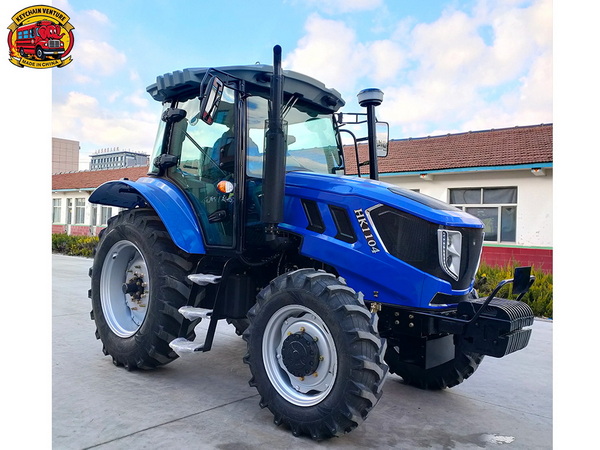
- Answer: Yes, a puncture in a tractor tire can be repaired with a plug-and-patch method when the hole is in an acceptable location and the tire is within its service life, using approved materials and following manufacturer guidelines.
- Answer: Replace the tire when the puncture is near the shoulder or sidewall, the tire is aged beyond its recommended service life, or damage compromises belts or beads, to ensure safety and reliability.
- Answer: Regular inspections, correct inflation for load and speed, avoiding overloading, tire rotation for even wear, prompt repair of objects, and using high-quality repair materials aligned with guidance minimize punctures.
- Answer: Yes, regulations typically require adherence to approved repair methods, post-repair inspections, and proper maintenance documentation for safety and compliance.
- Answer: Use a structured policy weighing repair viability, remaining tire life, downtime impact, and safety risk, with standardized repair procedures and ready access to replacement tires to optimize both uptime and safety.
[1](https://techtirerepairs.com/wp-content/uploads/2019/09/RM8_truck_tire_repair_singlepg9-19.pdf)
[2](https://www.youtube.com/watch?v=T8TxiNATzr4)
[3](https://www.englandlogistics.com/semi-truck-tire-repair-guide/)
[4](https://supremetruckrepair.ca/is-it-safe-to-use-a-tire-plug-or-patch-semi-truck-tire-repair/)
[5](https://gov.goodyear.com/docs/police/bulletins/psb2022-11-proper-tire-repair-for-auto-and-light-truck-tires.pdf)
[6](https://rema-tiptop.de/en/tire-repair-methods-limits-and-technical-requirements/)
[7](https://www.youtube.com/watch?v=jttGx75xBTo)
[8](https://www.tireindustry.org/resources/reference-materials/trmg-recommended-practices/)
[9](https://www.ustires.org/tire-care-safety/tire-repair-basics)
[10](https://www.truckinginfo.com/157247/tried-and-true-tire-repairs)


