
Views: 222 Author: Amanda Publish Time: 2025-10-22 Origin: Site


Content Menu
● Understanding the Appeal of a Used Bus for Personal Use
● Legal Considerations When Buying a Used Bus
>> Vehicle Emissions and Safety Inspections
● Where to Find a Used Bus for Sale
● Types of Used Buses Suitable for Personal Use
>> Shuttle Bus
>> Transit Bus
● Converting Your Used Bus: What to Expect
>> Step 1: Clean and Remove Seats
>> Step 2: Insulate and Wire the Bus
>> Step 3: Plumbing and Appliances
>> Step 4: Interior Decorating
● Practical Uses for a Used Bus
● Maintenance Tips for Your Used Bus
● Frequently Asked Questions (FAQ)
>> 1. Can anyone buy a used school bus?
>> 2. Do I need a special license to drive a school bus for personal use?
>> 3. Is maintaining a used bus expensive?
>> 4. How long does a bus conversion typically take?
>> 5. Where are the best places to find affordable used buses?
Many people have asked, "Can you buy a school bus for personal use?" The answer is yes, you certainly can. School buses have become increasingly popular among individuals seeking unique vehicles for camping, mobile businesses, or simply as a fun, large vehicle to own. This article explores everything you need to know about buying a used bus for personal use, from legal considerations to customizing your bus for living or recreational purposes. If you've been eyeing a used school bus or heavier passenger buses, this guide covers all the essentials.

A school bus or used school bus is more than just a vehicle for transporting students. Buyers are attracted to these buses because of their sturdy build, ample space, and potential for customization. Here are some reasons why used school buses are sought after:
- Cost-effective compared to custom RVs or motorhomes
- Built to high safety standards
- Spacious interior, perfect for conversion to living space or travel
- Easy to find used models available on the market
Imagine a bus turned into a mobile tiny home or adventure vehicle. This vision inspires many to explore the possibilities of owning a used bus.
Before purchasing a used bus for personal use, understanding the legal requirements and regulations is critical.
Used buses are sold with titles just like any other vehicle. When buying a used bus, confirm it has a clean title to avoid ownership disputes. Many sellers provide records of maintenance and inspections required for school buses. It is vital to verify the vehicle identification number (VIN) and ensure the bus is not stolen or has any outstanding liens.
Many states require a special license to drive large buses or commercial vehicles. However, some states allow smaller buses to be registered as passenger vehicles. Always check local Department of Motor Vehicles (DMV) regulations. Sometimes used buses are reclassified as recreational vehicles (RVs) or commercial vehicles, influencing insurance costs and registration fees.
Buses may need to pass emissions testing or safety inspections depending on your location, especially for older models. These requirements must be met before you can legally drive your bus on public roads. Some states have exemptions for converted vehicles used strictly for personal use. It is essential to research these specific state and local regulations to avoid fines or issues.
You can purchase a used bus through various avenues:
- Bus dealerships specializing in used commercial vehicles
- Online marketplaces offering used buses from private sellers and businesses
- Government auctions where retired school buses are often sold
- Bus refurbishment companies that sell partially converted buses
For buyers seeking a particular model or customization level, dealerships and refurbishment companies offer more options. Online auctions can be competitive, with affordable prices but increased risk without physical inspection.
When selecting a used bus, it's important to understand which types work best for personal conversions. Not all buses are created equal in terms of size, drivability, and conversion potential.
The classic yellow bus, built on a heavy-duty chassis, typically 30 to 40 feet long. These buses are durable and spacious, ideal for family travel, large groups, or full RV conversions. Due to their size, handling requires experience.
A smaller version, usually under 30 feet, easier to drive and park. They offer the same safety features but are better suited for couples or small families wanting a used bus for personal use without the bulk of a full-size.
Often used for hotels or airports, shuttle buses have more modern interiors and amenities. They are great candidates for mobile businesses or party buses due to their passenger-focused design.
Designed for city transit, these buses are generally longer, wider, and have multiple doors. They offer huge interior space for conversions but require advanced driving skills and maneuvering experience.
Each type has its pros and cons depending on your intended use, budget, and driving comfort.
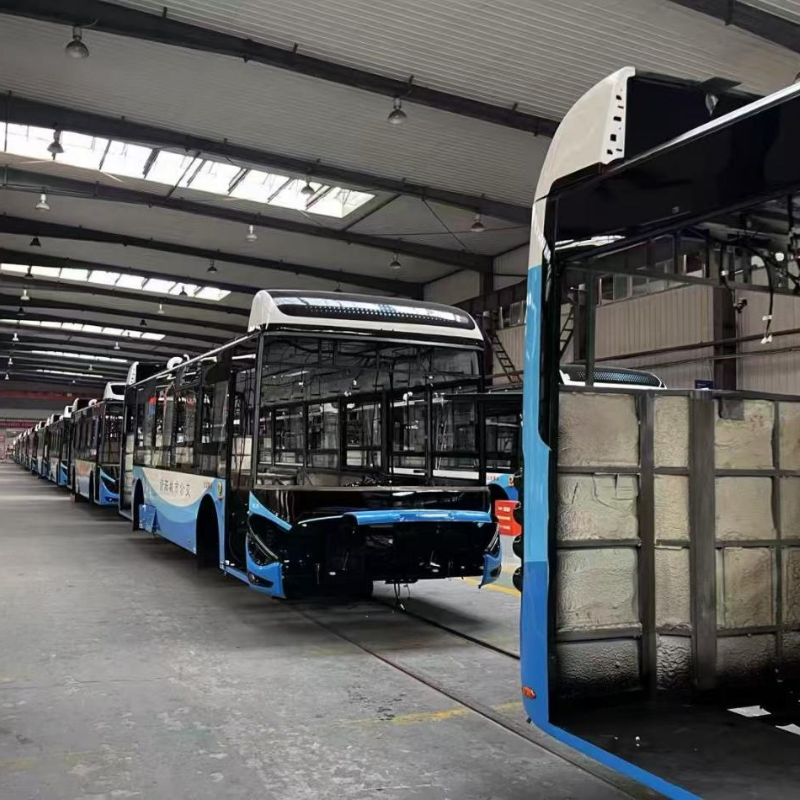
Purchasing a used bus requires thorough due diligence to ensure the investment is sound.
- Inspect the Engine and Transmission: Heavy-duty vehicles still require typical maintenance. Look out for leaks, unusual noises, or signs of wear.
- Check for Rust: Corrosion in wheel wells, undercarriage, and frame components compromises the bus's structural integrity.
- Request Vehicle History: Ask for records of accidents, repairs, and previous ownership.
- Age and Mileage: Many used school buses retire after 10-15 years or about 100,000 to 200,000 miles, so consider longevity and repair frequency.
- Layout and Condition: Does the bus already have modifications? Are the seats easily removable? Is the interior condition suitable for your planned conversion?
Bus conversions, often called "skoolie" builds, require a mix of mechanical, design, and construction skills.
Start by stripping out the interior seats, which can weigh hundreds of pounds. This provides an open space to work with. Cleaning includes disinfecting after years of use.
Proper insulation (foam, spray, or blanket types) maintains comfortable temperatures. Rewiring the electrical system to support lights, outlets, and appliances is critical.
If planning to use the bus for living, install freshwater tanks, greywater systems, sinks, showers, and compact kitchens.
Install flooring, beds, cabinets, and seating customized to your needs. This is the stage for creativity and making the space feel like home.
Conversion time varies widely, depending on tools, skills, and budget, ranging from a few months to over a year.
The unique features of used buses make them suited for many innovative purposes:
- Mobile homes or tiny houses on wheels
- Food trucks or mobile cafes
- Party or event buses for celebrations
- Mobile offices for remote work or touring businesses
- Adventure vehicles or travel campers for family road trips
The ability to tailor a used bus for diverse personal and commercial uses has fueled their popularity in recent years.
To keep your used bus functional and safe for personal use, regular maintenance is crucial:
- Change oil and filters according to manufacturer recommendations
- Inspect and replace brake pads, rotors, and tires as needed
- Monitor engine coolant and transmission fluid levels
- Winterize to avoid plumbing freeze if using in cold climates
- Maintain electrical and plumbing systems, especially if converted for living
Keeping a detailed maintenance log helps with future troubleshooting.
You can absolutely buy a used bus for personal use. Whether your dream is to create a cozy mobile home, launch a mobile food truck, or simply own a large and robust vehicle, used buses offer a strong, spacious, and versatile platform. Paying attention to legal requirements, vehicle condition, and your conversion goals will ensure you make a great investment. With proper care and creativity, a used bus can become an exceptional personal asset tailored to your lifestyle.
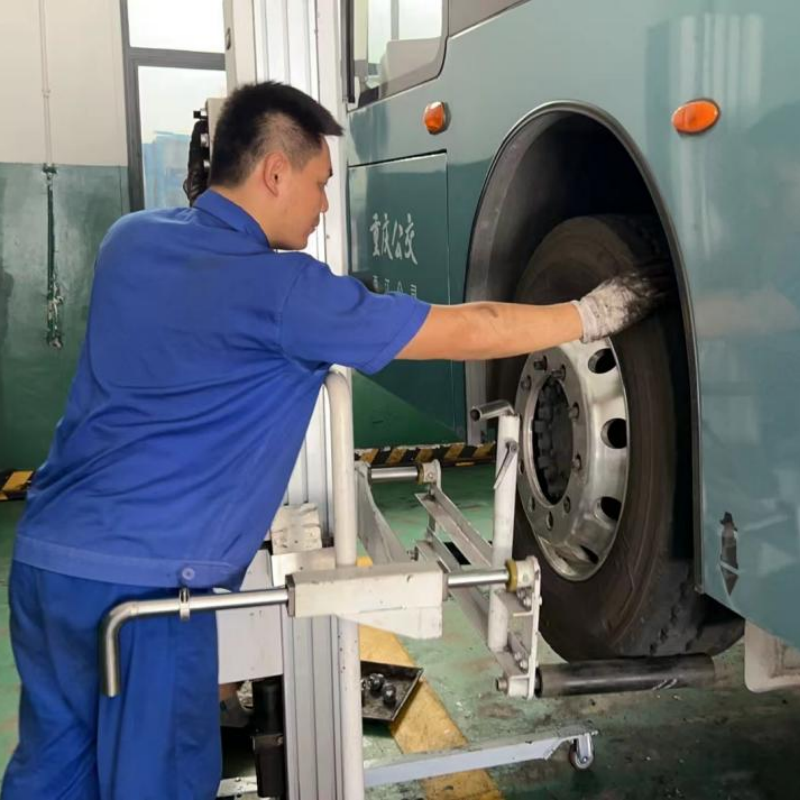
Yes, used school buses are sold to the general public. Buyers must ensure to follow local regulations when repurposing and registering the vehicle for personal use.
It depends on your jurisdiction. Larger buses often require a commercial driver's license (CDL), but smaller used buses might be legally driven with a regular driver's license in some states.
It varies. While school buses are built for durability, maintenance costs can be higher than standard cars, especially for older models. Regular checks can help reduce unexpected repairs.
Conversion timelines range widely depending on complexity, skills, and budget—from a few months for simple conversions to one or more years for full custom builds.
Government auctions, online marketplaces, and specialized dealerships are excellent places to find used buses at competitive prices.


