
Views: 222 Author: Amanda Publish Time: 2025-11-09 Origin: Site


Content Menu
● The Evolution of Articulated Buses
>> Historical adoption and global patterns
>>> Advantages
>>> Challenges
● Implications for International Buyers
>> Market fit for Used Bus and new bendy bus investments
>> KeyChain Venture capabilities
● The Future: Electrification and Alternatives
>> Electrified articulated buses
>> Alternatives and complementary solutions
>> Reliability, maintenance, and lifecycle
● FAQ
>> 1) What is a bendy bus and how does its design influence capacity?
>> 2) How does electrification affect the operation and maintenance of articulated buses?
>> 3) What should international buyers consider when integrating Used Bus assets with new bendy buses?
>> 4) What kind of training and after-sales support does KeyChain Venture provide for global customers?
Bendy buses, or articulated buses, have long stood as a cornerstone of urban mobility in cities facing peak-hour demand and dense passenger flows. They combine high capacity with a relatively compact footprint, making them particularly attractive for busy trunk corridors where space is at a premium and passenger throughput is critical. For international buyers and fleets evaluating modernization options, bendy buses represent a strategic choice that can harmonize with broader goals such as route efficiency, reliability, and lifecycle optimization. This article examines the current status of articulated buses in global markets, weighs the benefits against the challenges, and highlights how a renowned Chinese supplier—KeyChain Venture Co., Ltd.—can support international buyers with high-performance bus and heavy-truck solutions, including comprehensive OEM services and after-sales support. Throughout the discussion, the concept and relevance of Used Bus will be referenced as an asset class within fleet modernization and budget planning, illustrating practical approaches to asset utilization and renewal.
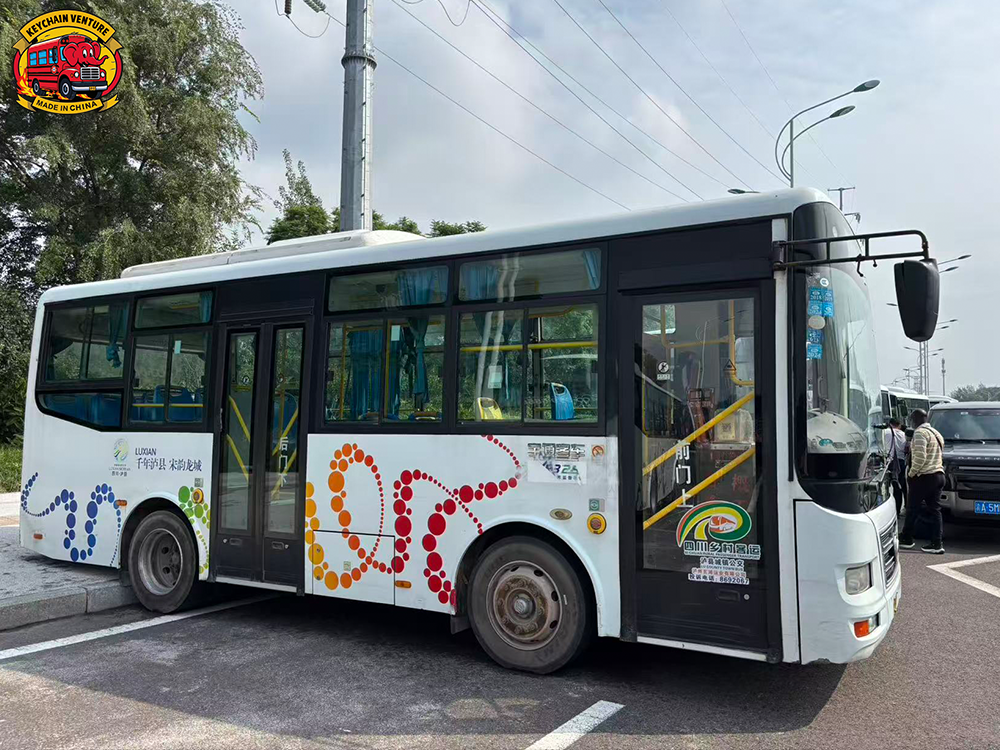
An articulated bus is a multi-section transit vehicle connected by a flexible joint, enabling a pronounced bend in the midsection while preserving a continuous passenger cabin. This configuration yields significantly higher passenger capacity per vehicle, which is essential for high-density routes, stadium events, airport corridors, and downtown core networks. For buyers weighing capital expenditure against service delivery, articulated buses often deliver superior passenger-miles-per-vehicle compared with standard rigid buses, particularly on routes with limited road space or frequent stops.
Articulated buses emerged as a practical solution to growing urban transit demand in many major cities during the late 20th century. European cities pioneered their widespread adoption, followed by growing usage in Asia, Latin America, and other regions with dense urban cores. The adoption pattern reflects a mix of policy decisions, infrastructure readiness (including depots and maintenance facilities), and financing models that favor higher-capacity assets when justified by ridership. In many markets, bendy buses have been part of broader modernization programs that include electrification, advanced driver-assistance systems, and digital fleet management, with Used Bus assets often playing a transitional role during mid-life renewals.
Articulated buses continue to hold value in markets with high route density, robust public transit ecosystems, and supportive governance structures. In Europe, bendy buses remain common on core metropolitan routes and in cities pursuing high-capacity, flexible transit options. In parts of Asia and the Middle East, rapid urban growth and evolving emissions standards sustain demand for high-capacity buses, including articulated models with modern powertrains. In North America, the deployment is more selective, often tied to specific BRT corridors or peak-demand segments, with electrified variants increasingly favored to meet air-quality mandates and energy efficiency goals.
- High capacity per vehicle translates into fewer buses required on crowded routes, reducing driver costs and dwell-time bottlenecks.
- Flexible route deployment in dense urban grids with constrained curb space, improving service frequency while maintaining route coverage.
- Scalable capacity—operators can tune service levels by adjusting scheduling and fleet mix without proportionally increasing the number of vehicles.
- Maintenance complexity rises with longer driveline systems, articulation joints, and the need for specialized parts and trained technicians.
- Availability of spare parts and skilled service networks can influence uptime and lifecycle costs, particularly in markets where local after-sales ecosystems are nascent.
- Infrastructure compatibility, including depot layout, turning radii, and charging support for electrified variants, can constrain performance unless planned in advance.
International buyers face a continuous balancing act between leveraging Used Bus assets for immediate capacity and investing in new bendy buses for longer-term reliability and lower maintenance risk. Used Bus options offer quicker fleet expansion and potentially lower upfront costs but may incur higher ongoing maintenance and parts replacement needs. New bendy buses deliver the latest safety features, improved emissions profiles, longer warranties, and enhanced total cost of ownership (TCO) predictability, particularly when supported by established service networks and comprehensive OEM packages. A well-structured modernization plan often combines both asset classes, deploying Used Bus stock where suitable while gradually introducing new articulated units to sustain service quality and regulatory compliance.
KeyChain Venture Co., Ltd. positions itself as a leading provider of high-performance bus and heavy-truck solutions for domestic and international markets. The company offers tailored OEM services for foreign brands and wholesalers, enabling customers to specify propulsion configurations, interior layouts, safety systems, telematics, and after-sales infrastructure. With a global service footprint, robust training programs for operators and technicians, and a parts supply chain designed to minimize downtime, KeyChain Venture supports fleet uptime, predictable budgeting, and scalable growth for international buyers. This combination of manufacturing excellence and service readiness is especially valuable for buyers seeking a reliable partner capable of aligning with regional regulatory requirements and city-level mobility strategies.
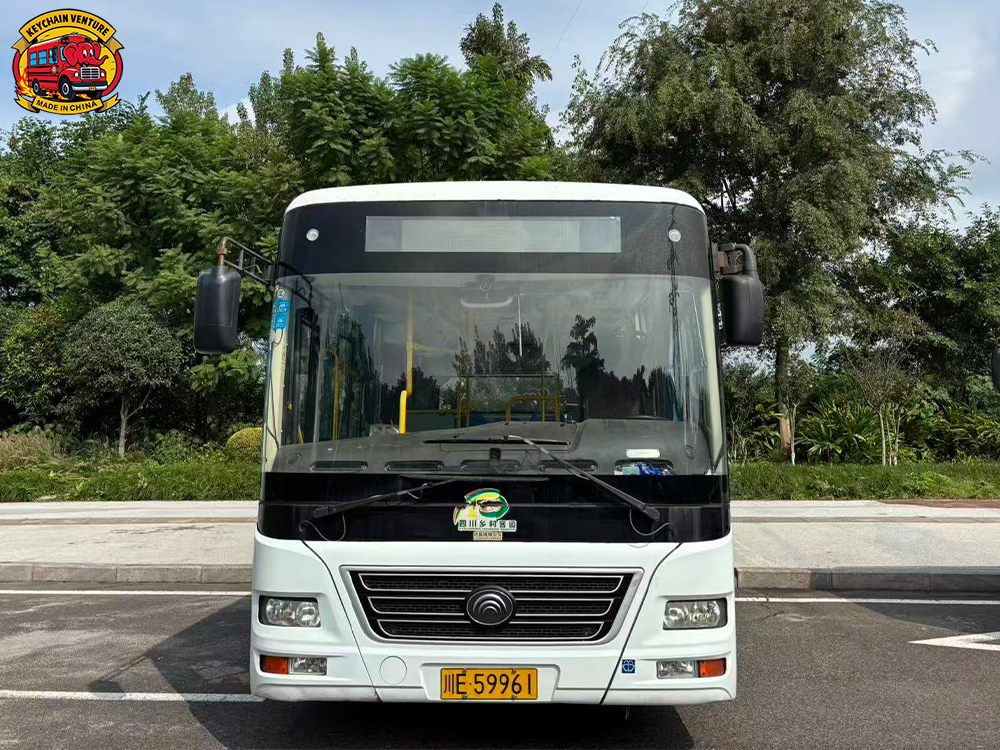
Electrification reshapes the entire articulated bus segment by reducing emissions and potentially lowering operating costs over the vehicle lifecycle. Battery electric or plug-in hybrid configurations require careful planning around charging infrastructure—depots, fast charging en route, and energy management systems. For international buyers evaluating electrified bendy buses, a holistic TCO assessment should consider electricity costs, charging hardware investment, battery degradation, and availability of service networks to ensure high uptime. In markets with favorable grid conditions and supportive incentives, electrified articulated buses offer compelling long-term value, especially when paired with a strong OEM and after-sales framework.
While articulated buses excel on certain routes, other high-capacity options can complement a transit network. Non-articulated high-capacity buses or trains-on-wheels concepts, trunk-and-feeder configurations, and integrated multimodal solutions (bus-rail interfaces) can optimize throughput and resilience. For international buyers, adopting a mixed-portfolio approach helps hedge risk, balance upfront costs, and tailor the fleet to evolving urban patterns and regulatory landscapes.
A successful articulated-bus program hinges on rigorous maintenance planning, reliable spare parts availability, and proactive lifecycle management. Key elements include: structured maintenance intervals for articulation joints, chassis reinforcement where needed, inventory planning aligned with regional demand, and data-driven predictive maintenance to anticipate component wear. Vehicle uptime depends on skilled technicians, clear maintenance protocols, and access to digital tools for remote diagnostics and fleet monitoring. When Used Bus assets are part of the mix, a clear refurbishment plan and consistent part supply help preserve reliability and service consistency across the fleet.
Safety remains a central concern for articulated buses, given their higher complexity and longer door-to-door transit times. Compliance with regional crash standards, articulation-joint safety criteria, and operator training are essential. Modern bendy buses often incorporate advanced driver-assistance systems, collision avoidance, and occupant protection features designed to meet or exceed prevailing safety regulations. For international buyers, partnering with a supplier that has demonstrated experience navigating cross-border certification processes and after-sales service networks helps mitigate regulatory risk and accelerates fleet deployment.
Articulated buses continue to offer strategic value in select markets where route density and passenger demand justify high-capacity, flexible transit. The ongoing electrification wave further enhances the appeal of electrified bendy buses as cities pursue cleaner air and reduced noise pollution. International buyers seeking dependable, scalable mobility solutions can rely on KeyChain Venture's proven capabilities in high-performance bus and heavy-truck production, reinforced by OEM services, training programs, and a global network of service and parts. The Used Bus dynamic remains a practical factor in fleet renewal planning, enabling asset managers to optimize depreciation, maintenance budgeting, and lifecycle decisions while balancing risk and opportunity in rapidly evolving urban mobility landscapes.
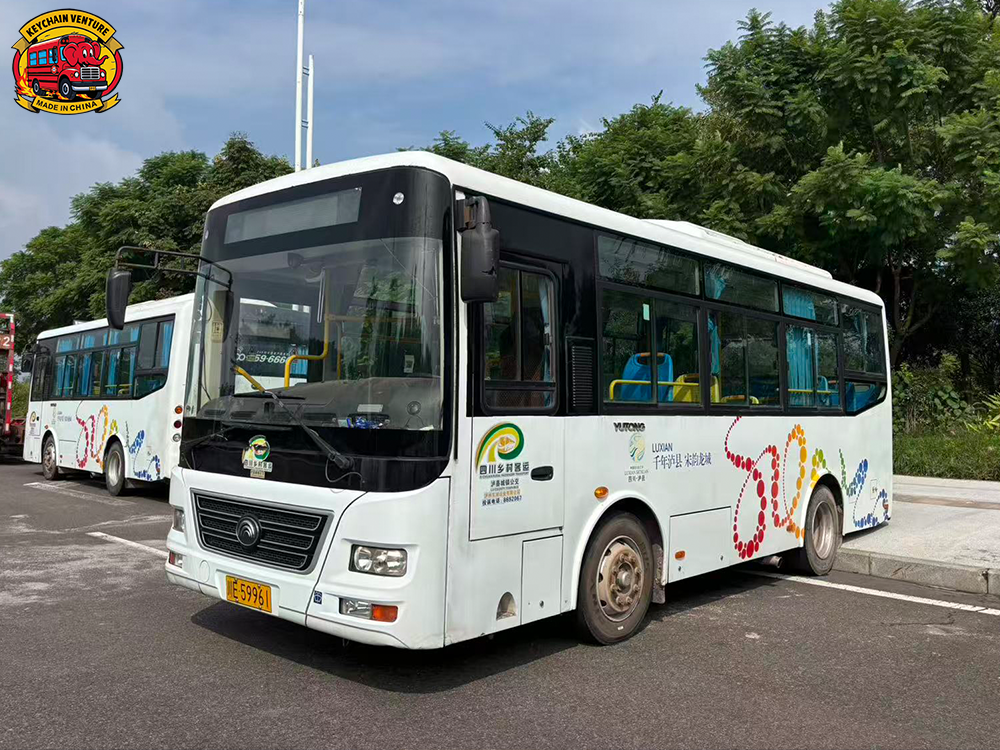
- A bendy bus, or articulated bus, consists of two connected sections with a flexible joint that increases passenger capacity without a single long rigid frame, enabling efficient handling on dense routes.
- Electrification reduces emissions and fuel costs, but requires charging infrastructure, battery health monitoring, and specialized maintenance; lifecycle costs can be favorable with adequate charging capacity and service support.
- Evaluate lifecycle costs, depreciation, maintenance needs, parts availability, and the supplier's after-sales network to ensure consistent uptime and predictable budgeting, while balancing asset renewal with capacity needs.
- KeyChain Venture offers OEM capabilities, operator and technician training, a parts supply network, and global service support to ensure fleet uptime and responsive maintenance across regions.
- Ensure compliance with local crash standards, articulation-joint safety requirements, accessibility rules, and certification processes, supported by a supplier experienced in cross-border regulatory navigation.
[1](https://cn.linkedin.com/company/keychain-venture)
[2](https://www.facebook.com/61582648653779)
[3](https://www.alibaba.com/product-detail/ZK6128-Used-Diesel-Engine-Buses-Hot_1600946197997.html)
[4](https://www.keychainventure.com)
[5](https://finance.yahoo.com/news/exclusive-manufacturing-platform-keychain-raises-130000877.html)
[6](https://economictimes.com/tech/funding/manufacturing-supply-chain-startup-keychain-raises-30-million-in-round-led-by-wellington-management-boxgroup/articleshow/123389653.cms)
[7](https://www.irishtimes.com/business/2025/02/12/keychain-raises-48m-in-funding-from-european-retail-giant/)
[8](https://www.harium.com.br/?v=2235230031620)
[9](http://www.attaliescazu.com/?r=21423477001390)


