
Views: 222 Author: Amanda Publish Time: 2025-10-02 Origin: Site


Content Menu
● Where to Rent a Water Truck?
>> Specialized Heavy Equipment Rental Companies
>> Local Construction Equipment Dealers
>> Commercial Vehicle Rental Companies
● Factors to Consider When Renting a Water Truck
>> Truck Chassis and Terrain Capability
● How to Use a Water Truck Efficiently
● Suggested Applications for Water Trucks
● Environmental Considerations
● Water Truck Maintenance and Safety Tips
● FAQ
>> 1. What is the average rental cost of a water truck?
>> 2. Can water trucks be rented with operators included?
>> 3. How long does it take to fill a water truck?
>> 4. Are water trucks suitable for firefighting?
>> 5. What maintenance is required during a rental period?
Water trucks are essential equipment in many industries, from construction sites to agriculture, mining, and firefighting. Renting a water truck can provide businesses with a flexible and cost-effective solution to manage water transport, dust control, and other vital tasks without the large upfront investment of purchasing one. This comprehensive guide will explore where to rent a water truck, provide insights on factors to consider before renting, and share tips on making the most of a water truck rental.
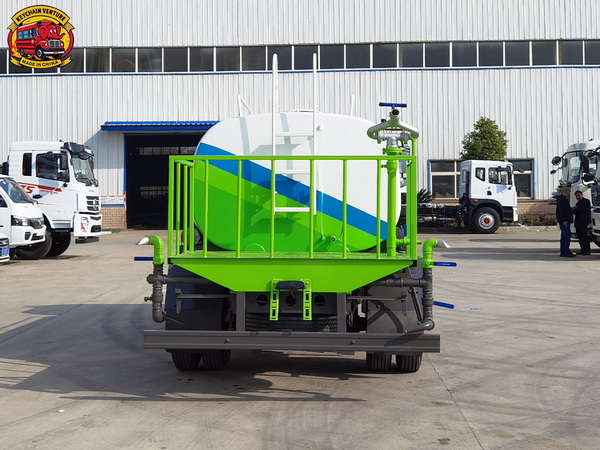
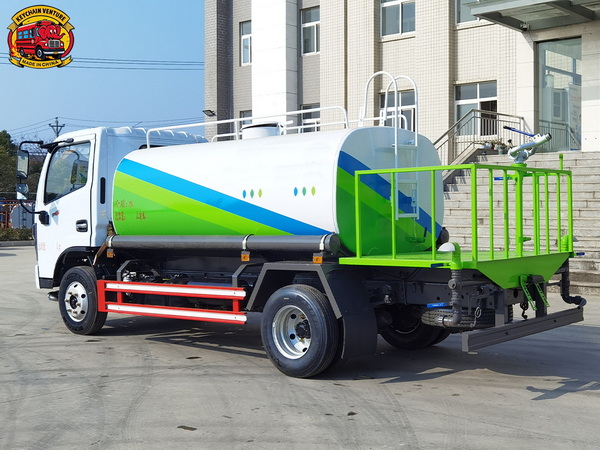
A water truck is a commercial vehicle designed specifically to carry large volumes of water for various applications. It typically features a large tank mounted on a truck chassis, capable of holding thousands of gallons of water. Water trucks often include specialized spray systems, pumps, and hoses to distribute water evenly and efficiently. The adaptability of water trucks makes them invaluable in several sectors, from dust suppression to emergency response.
Renting a water truck offers several advantages:
- Cost savings: Avoid hefty purchase and maintenance costs.
- Flexibility: Rent for short-term or long-term projects as needed.
- Access to modern equipment: Rent the latest models with advanced features.
- Reduced storage needs: Eliminate the challenge of storing large vehicles when not in use.
Industries benefiting from water trucks include:
- Construction (dust control, soil compaction)
- Agriculture (irrigation, crop spraying)
- Mining (site preparation, dust suppression)
- Event Management (temporary water supply)
- Firefighting (water supply and pumping)
Renting allows companies to readily adjust fleet size according to project demands, often vital in seasonal or fluctuating workloads.
Finding the right place to rent a water truck depends on your project location, budget, and specific requirements. Below are some of the main rental sources:
Companies specializing in heavy machinery often have water trucks available for rent. They provide well-maintained vehicles with options for consultation on the best truck size and features for your project. Examples include United Rentals, Sunbelt Rentals, and Hertz Equipment Rental. These companies usually offer professional support, including advice on the suitable truck specifications for your needs and may provide training or operator services.
Many local equipment dealers offer rental services for water trucks in addition to sales. This option often includes tailored customer service, quick support, and proximity advantages that reduce transportation time and cost.
Online platforms have made renting specialized equipment easier and more accessible by linking renters directly to truck owners or rental companies. Websites like EquipmentTrader and MachineryTrader provide detailed listings of water trucks for rent across multiple regions, allowing comparison of prices, truck conditions, and specifications in one place.
Some rental companies traditionally focused on commercial vehicle leasing, such as large trucks and vans, have expanded their offerings to include water trucks. These options may suit businesses requiring standard chassis trucks with water tank attachments for urban or on-road applications.
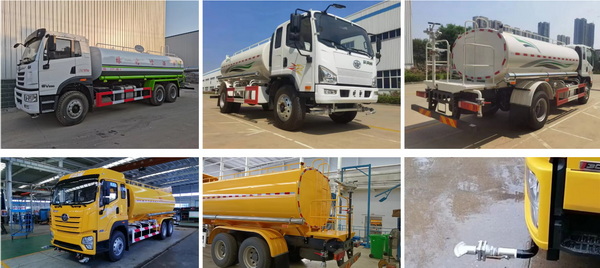
Selecting the right water truck for your project requires a thorough assessment of your needs. Consider the following critical aspects to ensure you get the right fit:
The volume of water you need to transport or apply is a major factor. Water trucks are available with tanks generally ranging from 1,000 gallons to over 5,000 gallons. For smaller projects or urban use, a compact truck with a smaller tank might be sufficient, while large-scale construction or mining sites require high-capacity tanks.
The effectiveness of water application depends significantly on the spray or dispersion system installed on the truck. Options include:
- Spray Bars: Wide coverage suitable for dust suppression over large areas.
- Rear Sprinklers: For targeted watering or irrigation.
- Front or Side Spray Nozzles: Allow more precise control.
- Adjustable Nozzles: Flexible water patterns to suit various applications.
Choosing the appropriate system enhances water efficiency while meeting operational goals.
Your project environment matters. Standard water trucks are usually built on robust truck chassis but can vary in drivetrain configurations such as 4x2, 4x4, or 6x6, influencing their off-road capability. Evaluate the terrain type—rough, uneven, muddy, or paved—and select a truck capable of safe and reliable travel.
Rental agreements should be reviewed carefully. Important details include:
- Rental duration flexibility (daily, weekly, monthly)
- Mileage or operational hour limits
- Maintenance responsibilities (who covers regular servicing)
- Damage and liability insurance coverage, including roadside assistance
Clarity on these points helps avoid unexpected costs or downtime.
To maximize value during your rental period and keep operations smooth, adopt these best practices:
- Plan Water Deliveries Carefully: Coordinate water refill points and timing to minimize downtime and optimize truck routes.
- Maintain Spray Equipment: Regularly check and clean spray nozzles, filters, and pumps to ensure consistent water flow and distribution.
- Operator Training: Make sure drivers are familiar with the truck controls, safety procedures, and environmental regulations.
- Monitor Water Usage: Track how much water is used to detect leaks or inefficiencies and adjust operational practices.
- Inspect the Truck Daily: Check tire pressure, fluid levels, and physical condition to prevent breakdowns on-site.
Efficient operation prolongs the rental's effectiveness and helps meet environmental compliance standards, especially in sensitive construction or agricultural zones.
Water trucks have versatile applications across many industries and projects:
- Dust Control on Construction Sites: Dust suppression is critical for worker health and compliance with environmental regulations. Water trucks spray roads, stockpiles, and exposed soil surfaces to minimize airborne dust particles.
- Irrigation in Agriculture: Water trucks deliver supplemental irrigation to crops, especially in areas lacking permanent irrigation infrastructure.
- Fire Protection and Wildfire Control: Equipped with pumps and hoses, water trucks provide mobile water sources for firefighting efforts, particularly in rural or wildland areas.
- Road Maintenance: During hot, dry weather, water trucks help maintain asphalt road surfaces by spraying water to prevent cracking and degradation.
- Landscaping and Parks Maintenance: Large green areas such as parks, golf courses, and sports fields rely on water trucks to cover wide expanses efficiently.
- Event Management and Temporary Water Supply: Outdoor events or festivals often require temporary water provision, which water trucks can supply quickly without permanent installations.
Each use case demands different water truck configurations, underlining the importance of assessing needs before renting.
Using water trucks responsibly plays a significant role in environmental sustainability:
- Avoid wasting water by utilizing precise spray technology.
- Comply with local water usage regulations, especially in drought-prone regions.
- Use water trucks to prevent soil erosion by maintaining proper moisture balance in exposed areas.
- Select trucks with fuel-efficient engines to reduce emissions.
Many rental providers now offer eco-friendly models that reduce environmental footprints while maintaining high performance.
Ensuring safety during water truck operation protects people and property:
- Always conduct a pre-operation safety check.
- Use appropriate personal protective equipment when handling hoses or climbing on trucks.
- Follow all traffic and site safety regulations.
- Be cautious of slippery surfaces created by excessive water application.
- Confirm emergency shut-off valves function correctly.
Maintenance should include regular inspection of pumps, hoses, valves, tires, and brakes, with any repairs addressed promptly. Some rental agreements include maintenance services, easing this responsibility for renters.
Renting a water truck offers a flexible and cost-effective way to meet your water transport and application needs without the investment burden of ownership. Understanding where to rent—whether through specialized equipment companies, local dealers, or online marketplaces—and what features to look for can help you select the ideal water truck for your project. Proper use, maintenance, and environmental awareness during the rental period will ensure maximum efficiency and project success.
Rental costs vary based on tank size, duration, and location. On average, prices range from $300 to $800 per day, with discounted rates for long-term rentals.
Yes, many rental companies offer water trucks with professional operators if you require personnel trained to operate the vehicle.
Filling time depends on pump capacity and water source. Typically, it takes 15 to 45 minutes to fill a 3,000-gallon tank.
Yes, water trucks can be equipped with pumps and hoses suitable for firefighting purposes, especially in wildland areas.
Regular checks of spray nozzles, hoses, tank integrity, and the truck's engine are essential. Some rental services include maintenance support.


