
Views: 222 Author: Amanda Publish Time: 2025-09-30 Origin: Site


Content Menu
● Understanding Dump Truck Parking Challenges
● Legal Considerations for Dump Truck Parking
● Optimal Places to Park a Dump Truck
>> Dedicated Truck Parking Lots and Terminals
>> Private Industrial or Commercial Properties
>> Public Roads with Commercial Parking Allowed
● Safety Tips for Dump Truck Parking
● Technologies and Tools to Aid Dump Truck Parking
● Environmental and Community Considerations
● Maintenance Recommendations Related to Parking
● How KeyChain Venture Co., Ltd. Supports Dump Truck Parking and Maintenance
● Frequently Asked Questions (FAQ)
>> 1. Where can I legally park my dump truck overnight?
>> 2. Is it safe to park a dump truck on public streets?
>> 3. How do I prevent my dump truck from rolling when parked?
>> 4. Can I park a loaded dump truck on any surface?
>> 5. What technologies assist in dump truck parking?
Parking a dump truck can be a challenging task, especially due to its large size and unique operational needs. Whether you're a commercial driver, fleet manager, or dump truck owner, understanding the best places and methods to park your dump truck responsibly and legally is essential. In this comprehensive guide, we will explore various options for parking dump trucks, legal considerations, safety tips, environmental impact, and useful resources. KeyChain Venture Co., Ltd., a leading supplier of commercial vehicles in China, also shares expert advice for maintaining and parking heavy-duty trucks like dump trucks efficiently.

Dump trucks are essential in construction, mining, and heavy cargo transport. However, their size, weight, and frequent use on busy roads or construction sites make parking tricky. Too small or poorly chosen parking spots can cause operational hazards or violate local laws.
- Size and maneuverability
Dump trucks require ample space for parking and maneuvering, which is much larger than typical passenger vehicles.
- Load considerations
Depending on whether the dump truck is loaded or empty, parking stability needs vary.
- Legal compliance
Local parking regulations for commercial vehicles often restrict where dump trucks can be left unattended.
- Security concerns
Given their high value and potential for theft or vandalism, dump trucks require secure parking environments.
Longevity and maintenance also depend on proper parking. For example, improper parking can lead to suspension or tire damage, and harsh weather exposure without shelter can accelerate wear.
Before parking any dump truck, it's vital to check local laws and regulations. These rules vary widely by city, state, and country, but here are common considerations:
- Commercial vehicle parking restrictions
Many urban areas prohibit parking large commercial vehicles on residential streets overnight.
- Permits for parking lots
Some areas require commercial parking permits or designated truck parking zones.
- Weight and load limits on streets
Weight restrictions may limit where fully loaded dump trucks can park without causing road damage.
- Hazardous materials rules
If your dump truck carries hazardous or regulated materials, special parking regulations apply.
- Time and duration limitations
Certain jurisdictions limit how long a commercial vehicle may remain parked in one spot, typically to avoid blocking traffic or neighborhood disruption.
Violating these regulations can result in fines, towing, and delays that interfere with operations and increase costs. It is strongly recommended to consult with local transportation or municipal authorities to confirm specific rules before settling on a parking location.
Choosing the right parking location depends on safety, convenience, legality, and minimizing operational impact.
Truck parking lots designed specifically for commercial vehicles provide:
- Safe, ample space for large vehicles
- Access to facilities like restrooms and fueling stations
- Security measures such as cameras and personnel
These lots, often near highways and industrial areas, are ideal for overnight or extended parking. Many modern truck parking facilities have charging stations for hybrid or electric vehicles, truck wash areas, and maintenance services, offering additional value for fleet operators.
When performing daily operations, dump trucks are typically parked within site boundaries. This may include:
- Designated parking zones away from heavy machinery paths
- Areas with solid ground to prevent sinking
- Secure locations monitored by site supervisors
Proper onsite parking ensures trucks are ready for immediate deployment and reduce potential collisions with other equipment or site personnel.
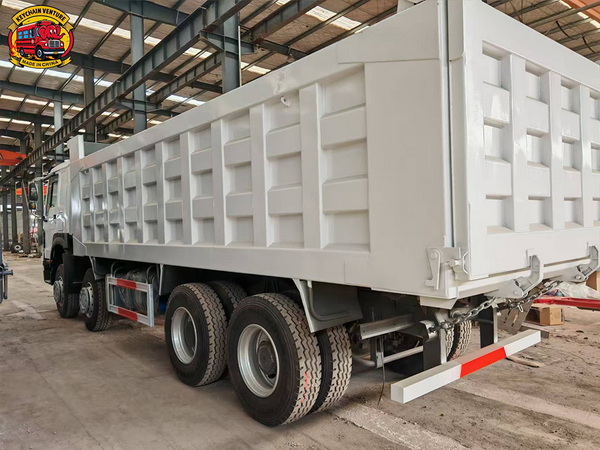
Owners or operators who have access to private lots can park dump trucks safely within property lines. This option minimizes theft and legal issues but needs proper space planning and zoning compliance.
Such parking may be part of a fleet yard or maintenance facility, where vehicles can be inspected, cleaned, and repaired conveniently.
In some areas, it is permitted to park commercial vehicles temporarily on certain roads or shoulders. Always verify local rules and avoid blocking traffic flow or pedestrian paths. Temporary parking might be acceptable during loading/unloading periods but should never obstruct access or emergency routes.
Parking a dump truck safely is critical to prevent accidents and damage.
- Always use wheel chocks on inclined surfaces to prevent rolling.
- Engage the parking brake thoroughly.
- Choose level or stable ground wherever possible to reduce the risk of tipping.
- Keep the dump bed in the lowest position when parked to lower the center of gravity.
- Avoid parking on soft or muddy ground to prevent sinking.
- Use reflective markings or lights if parked at night in unsecured or low-visibility areas.
- Employ cone markers or barriers if parking near traffic to alert other drivers and pedestrians.
- Regularly inspect tires and brakes before and after parking to ensure no damage from uneven terrain.
- Do not leave engines idling unnecessarily to conserve fuel and reduce emissions.
Proper training for drivers on safe parking procedures is also vital in minimizing incidents.
Modern technology offers many tools to ease dump truck parking challenges:
- Rear-view cameras and sensors provide better visibility in tight spots and help prevent collisions.
- Parking management apps can locate nearby legal and safe truck parking spaces in real-time.
- GPS navigation systems with truck-specific routing options account for road restrictions related to height, weight, and allowed vehicle types.
- Telematics systems monitor parking duration and compliance, helping fleet managers stay ahead of regulations.
- Automatic leveling systems assist in stabilizing the vehicle on uneven surfaces during parking.
Innovations in autonomous parking systems are emerging, which may soon allow dump trucks to park themselves safely, reducing driver workload and increasing efficiency.
Parking dump trucks near residential or environmentally sensitive areas requires special care:
- Avoid idling engines to reduce noise and air pollution, especially during night hours.
- Ensure trucks are parked away from water sources or vegetation to prevent pollution from oil or fuel leaks.
- Respect local community rules concerning noise levels and operational hours.
- Use dust control measures, such as water spraying or ground covering, to prevent dust disturbance in construction zones.
- Educate drivers to maintain courteous behavior when parking near neighborhoods or public spaces.
Responsible parking practices not only preserve community goodwill but also help companies comply with environmental standards increasingly demanded by regulators.
Proper parking practices intersect with maintenance to prolong the life of your dump truck:
- Always park on flat surfaces to avoid undue stress on the suspension system.
- Regularly check tire pressure, as prolonged parking can cause flat spots or pressure loss.
- Protect vehicles from harsh weather by parking in covered areas when possible.
- Perform routine inspections during parking breaks, checking fluid levels and mechanical components.
- Use high-quality lubricants and rust protectants especially if parking for extended periods.
KeyChain Venture Co., Ltd. emphasizes the importance of integrating parking strategies with overall truck maintenance plans for optimized vehicle performance and lower lifecycle costs.
As a leading supplier of high-performance commercial vehicles such as dump trucks, KeyChain Venture Co., Ltd. advocates for responsible parking practices that maximize vehicle longevity and operational safety. We offer guidance on:
- Optimal parking and storage facilities for dump trucks
- Maintenance tips to ensure trucks remain in peak condition when parked
- Customizable parking solutions integrated with vehicle management systems
- Training programs focused on best practices for drivers and fleet managers
We recognize that well-maintained trucks and smart parking choices reduce downtime and improve profitability.
Parking a dump truck requires careful planning, adherence to local laws, and mindful safety practices. From dedicated truck parking lots to construction sites and private property, each option comes with considerations on legality, security, environmental impact, and safety. Leveraging modern technology and following expert advice, such as that from KeyChain Venture Co., Ltd., ensures your dump truck stays secure, compliant, and ready for operation. Proper dump truck parking is fundamental to efficient fleet management, operational success, and asset preservation.
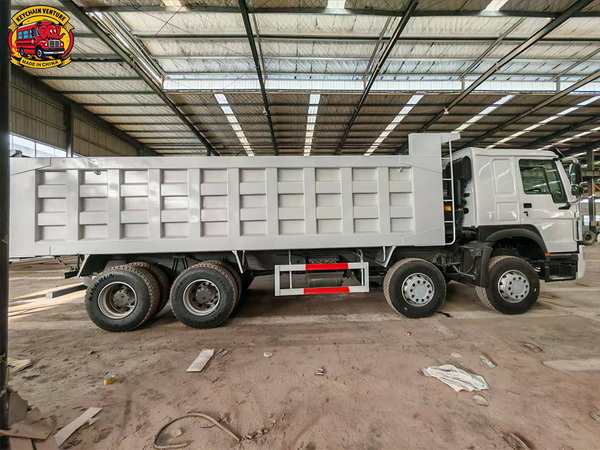
Legally parking overnight generally requires using designated commercial vehicle parking lots, private industrial areas, or authorized roadside spaces. Always verify local municipal regulations for truck parking.
Parking on public streets is usually restricted for commercial vehicles, particularly overnight. Temporary parking might be allowed in some areas if it doesn't obstruct traffic or violate local codes.
Always use the parking brake effectively and apply wheel chocks, especially on inclined or uneven surfaces. Parking on flat, stable ground further reduces risks.
No, parking a loaded dump truck requires sturdy, stable ground to prevent sinking or tipping. Avoid soft soil or uneven terrain when the dump bed is carrying a load.
Rear-view cameras, parking sensors, GPS routing for trucks, and parking management apps help drivers park safely and legally with real-time assistance.


