
Views: 222 Author: Amanda Publish Time: 2025-09-14 Origin: Site


Content Menu
● What Is PTO (Power Take-Off)?
● How Does Live PTO Work on a Tractor?
● Types of Live PTO Systems Commonly Found on Tractors
● Benefits of Live PTO on a Tractor
● Applications of Live PTO in Agriculture and Industry
● How to Properly Use Live PTO on a Tractor
● Maintenance of Live PTO Systems
● Troubleshooting Common Live PTO Issues
● Live PTO vs Standard PTO: Key Differences
● FAQ
>> 1. What is the main advantage of Live PTO on a tractor?
>> 2. Can all tractors be equipped with Live PTO?
>> 3. How do I maintain the Live PTO system?
>> 4. Is Live PTO safer than standard PTO?
>> 5. What types of equipment commonly use Live PTO?
In the world of agriculture and heavy-duty machinery, the term Live PTO on a tractor frequently arises among farmers, equipment operators, and machinery enthusiasts. Understanding what a Live PTO is, how it works, and why it is important can significantly enhance the efficiency of tractoroperations and implement use. This comprehensive article dives deep into the fundamentals of Live PTO, explains its advantages, discusses various types, and highlights practical applications on tractors in today's agricultural landscape.
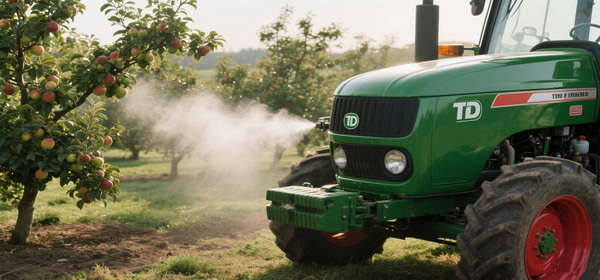
Before exploring Live PTO, it's essential to understand what PTO or Power Take-Off means on a tractor. The PTO is a mechanical system located at the rear (or sometimes front) of the tractor that transfers power from the tractor's engine to attached implements or machinery. This transfer of power allows implements such as mowers, balers, augers, and spreaders to operate using the tractor's engine rather than requiring a separate power source.
- PTO enables the tractor to serve as a versatile power unit.
- It involves splined shafts that connect the tractor to the implement.
- Provides consistent rotational power for various farming tasks.
The PTO system is an integral component of nearly every modern tractor. It converts the engine's mechanical energy into usable power that drives machinery mounted directly to the tractor or towed by it. Without PTO, many implements would require their own engines or manual labor, significantly reducing productivity.
A Live PTO differs from a standard PTO by the way power is delivered independently of the tractor's movement or clutch operation. In a traditional PTO system, engaging the tractor's clutch or stopping the tractor halts the PTO power transmission, which can limit implement effectiveness and control.
Live PTO, however, ensures continuous PTO operation even when the tractor comes to a stop or the clutch is engaged. This function is vital for operations where the implement must keep running smoothly regardless of tractor speed or motion.
Many tasks require the tractor to stop or shift gears without interrupting the work being done by the implement. For example, when baling hay, the baler needs consistent power to compress and wrap the hay correctly. If the PTO stopped every time the tractor stopped or changed gears, the operation would be much less efficient and could damage equipment.
Live PTO addresses these issues by decoupling the implement power from the tractor's motion, allowing:
- Continuous implement operation during tractor stops.
- Smooth engagement and disengagement of PTO-driven equipment.
- Improved operator control over field tasks.
Live PTO systems typically use either a dual-clutch system or an independent PTO clutch mechanism to separate the tractor's drive system from the PTO operation.
In a dual-clutch system, the tractor has two separate clutches:
- One clutch controls the tractor's motion.
- The other controls the PTO shaft.
This separation allows the operator to stop or slow down the tractor without interrupting PTO-driven equipment. Essentially, when the operator presses the clutch pedal halfway, the tractor transmission disengages to stop the wheels, but the PTO clutch remains engaged, keeping power flowing to implements.
In this system, an entirely separate clutch mechanism manages the PTO independently from the tractor's main transmission. The PTO clutch can be controlled by a lever or hydraulic system, allowing the operator to engage or disengage the PTO independently of the tractor's movement or transmission state.
Understanding the technical variety of Live PTO systems helps in selecting the right tractor or implementing proper maintenance.
This is the most basic form and relies purely on mechanical linkages and clutches. It is durable but may require more manual control and adjustment. Mechanical systems typically use a dual-clutch pedal arrangement.
Uses a hydraulic clutch system to engage PTO power independently. It provides smooth operation and is generally quieter. Hydraulic systems minimize wear and allow for more precise control.
Controlled electronically with hydraulic actuation, this type offers precise engagement and disengagement at the push of a button or switch. With electronic controls, the operator can activate PTO more conveniently, often integrated with tractor automation.
Modern tractors may use electric PTO controls integrated with onboard computer systems and user interfaces for advanced functionality and diagnostics. Electric PTO can provide features such as automatic speed modulation and safety lockouts for better management.
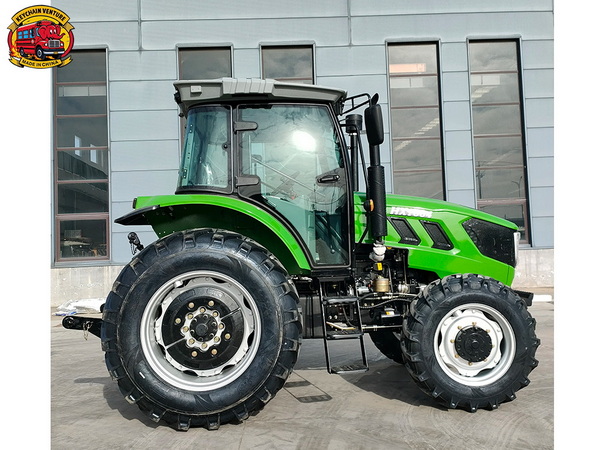
Using Live PTO offers many practical advantages:
- Increased operational efficiency: Implements connected to the PTO can work without interruption, even during frequent stops.
- Improved safety: Operators avoid sudden stoppages of equipment, which can cause dangerous surges or damage.
- Better implement control: Fine control over the implement speed and power, especially important for sensitive operations like baling or mowing.
- Reduced wear and tear: Smooth engages and disengages reduce the stress on PTO components.
- Versatility: Enables use of a wider range of PTO-powered implements in varied field conditions.
- Enhanced fuel efficiency: Continuous operation of PTO without tractor movement reduces unnecessary engine workload from frequent clutching.
- Operator Comfort: Reduces fatigue from constant clutch operation during complex or slow maneuvers.
Live PTO increases productivity across many industries, particularly agriculture:
- Mowing and Haymaking: Continuous PTO power ensures balers and mowers operate efficiently without interruption when the tractor stops.
- Soil Cultivation: Implements like rotary tillers and cultivators work independently from tractor speed.
- Snow Blowing: Maintaining constant PTO speed allows uniform snow clearing without damage.
- Pumping: Live PTO systems power irrigation or liquid pumping equipment smoothly.
- Material Handling: Hydraulic pumps run by Live PTO control attachments like forklifts or loaders.
- Forestry and Landscaping: Equipment such as wood chippers and stump grinders benefit from consistent PTO power during intricate operations.
- Always read the tractor's user manual for specific PTO instructions.
- Never leave PTO shafts uncovered or exposed during operations.
- Use proper personal protective equipment (PPE), including gloves and eye protection.
- Engage and disengage PTO at low engine speeds to avoid shock loads.
- Keep bystanders away from the PTO shaft and implement during operation.
- Ensure the PTO shaft is properly connected and locked before use.
- Operate at recommended engine RPM to maintain implement performance.
- Use the tractor's hydraulic or electronic controls for smooth PTO engagement.
- Avoid sudden starts and stops to minimize stress on PTO components.
- Regularly check safety shields and guards, replacing damaged or missing parts immediately.
Proper maintenance is crucial to keeping the Live PTO system running smoothly and safely over time.
- Clutch Inspection: Regularly examine clutch pads and plates for wear and replace them when necessary.
- Lubrication: Keep PTO splines and shafts lubricated with manufacturer-recommended grease to ensure smooth rotation and prevent rust.
- Safety Shields: Verify that all PTO safety guards are intact, secure, and functional to protect operators.
- Hydraulic Systems: For tractors with hydraulic PTO clutches, maintain fluid levels and replace hydraulic oil as specified.
- Drive Shaft Maintenance: Inspect PTO shafts for dents, cracks, or imbalances and repair or replace as needed.
- General Inspection: Schedule professional tractor servicing annually or per hours of operation to catch potential issues early.
Operating a Live PTO system may occasionally present challenges. Here are some common issues and diagnostic guidance:
- PTO shaft won't engage: Could indicate clutch wear, defective linkage, or hydraulic problems. Solution: Inspect clutch components and hydraulic connections, replacing worn parts.
- PTO power cuts off when tractor stops: May signal failure in the independent PTO clutch or linkage. Solution: Check mechanical linkages and clutch function.
- Unusual noises from the PTO system: Often caused by inadequate lubrication or worn bearings. Solution: Grease PTO shafts regularly and replace bearings if worn.
- PTO speed fluctuates: Can result from inconsistent engine RPM or faulty PTO controls. Solution: Stabilize engine speed and examine electronic or hydraulic PTO controls.
- Overheating clutch: Caused by slipping clutch surfaces under heavy load or improper adjustment. Solution: Adjust or replace clutch and avoid overloading PTO-driven implements.
| Feature | Live PTO | Standard PTO |
| Power during tractor stop | Continuous operation | Stops when tractor stops |
| Independent clutch | Yes | No |
| Implement control | Better (smoother engagement) | Limited |
| Use in precision tasks | Ideal | Less suitable |
| Operator safety | Higher due to reduced shock | Lower |
Live PTO systems offer significant operational advantages by allowing implements to run independently of the tractor's motion, reducing downtime and increasing productivity. Standard PTO systems, while simpler and often less costly, limit operational flexibility and can cause more mechanical stress on equipment.
Live PTO on a tractor is an essential feature that dramatically enhances tractor functionality, safety, and versatility for agricultural and industrial applications. By allowing PTO-driven implements to operate independently of tractor movement and clutch operation, Live PTO increases efficiency, reduces wear and tear, and improves operator control. Whether baling hay, mowing fields, pumping water, or clearing snow, a Live PTO system ensures continuous, reliable power transfer, enabling farmers and operators to complete their tasks smoothly and safely.
For commercial users such as those at KeyChain Venture Co., Ltd., which specializes in high-performance commercial vehicles for domestic and international customers, incorporating tractors with advanced Live PTO technology boosts operational reliability and client satisfaction. Understanding the types of Live PTO systems, proper use, maintenance, and troubleshooting equips users to maximize productivity and lifespan of their equipment.
Live PTO allows continuous power delivery to implements even when the tractor stops or the clutch is engaged, improving operational efficiency and safety.
No, not all tractors come standard with Live PTO. It depends on the tractor's transmission system and manufacturer options.
Regularly check clutch components, lubricate PTO shafts, inspect safety guards, and maintain hydraulic fluid levels (if applicable).
Yes, Live PTO systems reduce sudden equipment stops and shock loads, improving safety for operators and protecting implements.
Equipment such as mowers, balers, tillers, pumps, and snow blowers commonly rely on Live PTO for consistent power.


