
Views: 222 Author: Amanda Publish Time: 2025-09-11 Origin: Site


Content Menu
● What Is a Tri Axle Dump Truck?
● Typical Width of a Tri Axle Dump Truck
● Comprehensive Dimensions of Tri Axle Dump Trucks
● Payload Capacity and Legal Weight Limits
● Design Features of Tri Axle Dump Trucks
>> Axle Configuration and Suspension
● Comparing Tri Axle Dump Trucks with Other Dump Truck Types
● Frequently Asked Questions (FAQ)
>> 1. What is the standard width of a tri axle dump truck?
>> 2. How much material can a tri axle dump truck carry?
>> 3. Are tri axle dump trucks legal on public highways?
>> 4. How do tri axle dump trucks compare to tandem and quad axle trucks?
>> 5. What materials are used to build the dump body on a tri axle dump truck?
Tri axle dump trucks stand as a crucial asset in the commercial vehicle sector, especially within industries such as construction, mining, and heavy-haul transportation. They are engineered to carry substantial loads efficiently and safely, handling materials like gravel, sand, dirt, and demolition debris with ease. One common question that arises regarding these vehicles pertains to their width—a dimension that affects everything from road legality to load capacity and overall maneuverability. This article provides an extensive exploration of the typical width of tri axle dump trucks, their additional dimensions, design features, payload capacities, and how these factors synergize to make them indispensable for heavy-duty hauling work.

A tri axle dump truck is typically a heavy-duty truck configuration featuring three axles: one front steering axle and two rear drive axles. This configuration offers increased stability and weight distribution compared to vehicles with fewer axles. The tri axle design allows these trucks to manage heavier payloads while maintaining safety and road compliance.
The dump body, or bed, on these trucks is generally quite large, maximizing the volume of materials transported per trip. This feature makes tri axle dump trucks optimal for demanding hauling situations—excelling at moving bulk construction materials, aggregates, or waste debris across job sites or highways.
The width of tri axle dump trucks is an important attribute, governed by both design needs and road regulations. Standard tri axle dump trucks usually measure between 8 feet (96 inches) to 8.5 feet (102 inches) wide.
The most widely accepted and common width in North America is around 8 feet, aligning with federal and many state transportation width limits. Some specialized or customized trucks can be slightly wider, reaching up to 8.5 feet, but this remains within legal limits for most highways without requiring oversize permits.
This width generally refers to the width of the dump bed itself. The overall vehicle width, including mirrors or additional attachments, might extend slightly beyond this. However, the base width is critical for aspects such as:
- Road compatibility without oversize restrictions
- Maximum load surface area for bulk materials
- Maintaining stability in transit and during dumping
To understand tri axle dump trucks fully, it's important to consider other key dimensions beyond width:
- Length: Dump bodies typically range from 14 to 18 feet in length, though the overall truck length including the cab and chassis can extend beyond 20 feet or even up to 27 feet in some cases.
- Height: The dump body's sideboards usually stand between 1.5 to 3 feet tall, with overall vehicle height typically between 10 and 11.5 feet, depending on configuration, sidewall height, and whether additional attachments like tarps or racks are installed.
These dimensions directly influence the dump truck's hauling volume, which generally falls within 10 to 19 cubic yards, allowing for significant material transport in a single load.
For example, a common tri axle dump truck specification includes:
- Width: Approx. 8 feet
- Length: 16 to 18 feet bed length
- Height: 10 feet with double sideboards
- Payload capacity: Up to approximately 22 tons or 15 cubic yards of material
Tri axle dump trucks are designed to carry heavy loads while conforming to legal weight restrictions:
- Gross Vehicle Weight Rating (GVWR): Usually between 60,000 to 80,000 pounds (approximately 27 to 36 metric tons).
- Payload Capacity: Often ranges from 15 to 25 tons (roughly 30,000 to 50,000 pounds), subject to vehicle construction and state regulations.
- Weight Distribution: The three axles evenly distribute these loads, which helps minimize wear on roadways and improves safety.
Different regions may have regulations affecting allowable truck width and maximum weight, but tri axle trucks typically meet federal guidelines to operate without special permits on highways.
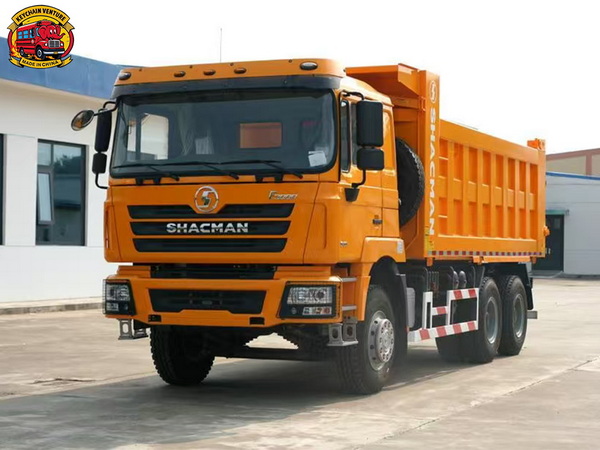
The tri axle setup features:
- One front steering axle for precise control
- Two rear drive axles that provide traction and bear load
- Heavy-duty suspension systems (leaf spring or air suspension) designed to enhance ride stability and durability under heavy load conditions
This configuration optimizes load control, improves handling on rough terrain, and supports highway travel.
- Dump beds are usually constructed from high-strength materials such as steel or aluminum.
- Width of the bed generally matches the truck chassis width and ranges from 8 to 8.5 feet.
- Sideboards can vary but often are 1.5 to over 3 feet tall to increase material capacity without exceeding width limits.
- Many beds incorporate dirt-shedding features and hydraulic systems for easy unloading.
Advanced hydraulic cylinders power the lifting mechanism of the dump bed, allowing it to tilt and unload cargo efficiently. The systems often include safety devices such as tilt angle limiters and automatic shutdowns on unsafe slopes.
Tri axle dump trucks balance volume, capacity, and maneuverability better than some alternatives:
- Tandem Axle Dump Trucks: Generally shorter and narrower, designed for lighter loads (10-15 tons), suited for smaller jobs.
- Quad Axle Dump Trucks: Larger and heavier, able to carry up to 25% to 50% more payload than tri axle trucks, but less maneuverable.
The tri axle's advantage lies in handling substantial loads with reasonable vehicle size, often making it the preferred choice for construction sites and local hauling.
Tri axle dump trucks are widely used in:
- Road construction projects for hauling dirt, asphalt, and gravel
- Mining operations for moving rocks and debris
- Demolition and waste disposal jobs
- Agricultural transport for bulk materials
Their design facilitates heavy loads while maintaining compliance with road regulations, ensuring efficient project timelines.
In summary, the width of a tri axle dump truck typically measures between 8 and 8.5 feet, striking a balance between road legal requirements and operational efficiency. Along with length and height, the width plays a key role in determining load capacity, truck stability, and maneuverability. Tri axle dump trucks are engineered for heavy-duty hauling tasks, with design features and capabilities tailored to meet the demands of construction, mining, and industrial transportation. Their unique axle configuration distributes weight effectively, allowing these trucks to carry large payloads safely while maintaining compliance with road regulations. Understanding these dimensions empowers buyers and operators to select the right equipment and maximize their heavy haul operations.
The standard width is usually around 8 feet, but can extend up to 8.5 feet depending on specific models and configurations.
These trucks typically carry between 15 and 25 tons of material, equating to approximately 10 to 19 cubic yards depending on bed size.
Yes, tri axle dump trucks generally comply with federal and state road regulations regarding width and weight, allowing them to operate on highways without special permits.
Tri axle trucks offer a middle ground between tandem axle trucks which carry lighter loads and quad axle trucks which carry heavier loads but sacrifice maneuverability.
Dump bodies are commonly built from steel or aluminum, designed for durability and to withstand heavy, abrasive loads.
[1](https://laurakopetsky.com/truck-specifications/)
[2](https://mackdefense.com/heavy-dump-truck/)
[3](https://www.cnxjcm.com/equipements/dump-truck/xdr80t-three-axle-rigid-dump-truck/)
[4](https://www.customtruck.com/dump-trucks/16-ft-dump-truck/)
[5](https://www.hitachicm.com/global/en/solutions/mining-business/products/rigid-dump-trucks/product.eh4000ac-3/)
[6](https://www.emarketplace.state.pa.us/FileDownload.aspx?file=6100061833%2FSolicitation_4.pdf&OriginalFileName=IFB+6100061833+Game+Commission+Tri+Axle+Specs.pdf)
[7](https://www.macktrucks.hn/media/files/body-builder/2023/mack-granite-dump-brochure.pdf)
[8](https://www.mining.sandvik/globalassets/products/underground-loaders-and-trucks/pdf/th430-technical-specification-english.pdf)
[9](https://www.sinotruks.biz/vehicles/semi_trailer/70.html)


