
Views: 222 Author: Amanda Publish Time: 2025-10-01 Origin: Site


Content Menu
● Understanding Flatbed Semi Trailers
● Standard Width of a Flatbed Semi Trailer
● Common Dimensions of Flatbed Semi Trailers
● Types of Flatbed Semi Trailers
>> Standard Flatbed Semi Trailer
>> Step Deck (Drop Deck) Semi Trailer
>> Extendable (Stretch) Flatbed Semi Trailer
>> Curtainside (Conestoga) Trailer
● Material and Structural Specifications
● Regulatory Compliance for Width and Load
● Loading and Safety Practices
● Advantages of Flatbed Semi Trailers
● Frequently Asked Questions (FAQ)
>> 1. How wide is a flatbed semi trailer?
>> 2. What are the common lengths of flatbed semi trailers?
>> 3. What load capacity can flatbed semi trailers handle?
>> 4. What materials are used in manufacturing flatbed semi trailers?
>> 5. What are crucial safety considerations when loading a flatbed semi trailer?
Flatbed semi trailers are among the most versatile and widely utilized semi trailers in the commercial transport industry. Knowing the width and dimensions of a flatbed semi trailer is crucial for safe transportation, load planning, and compliance with regulations both domestically and internationally. This comprehensive article explores the standard widths of flatbed semi trailers, different types, specifications, materials, regulatory considerations, and best practices for using these essential cargo carriers.
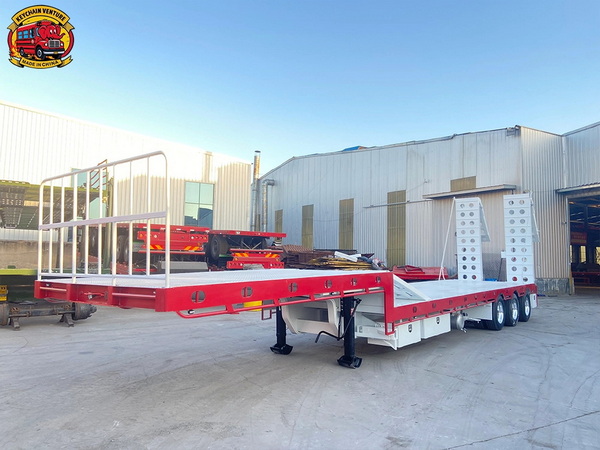
A flatbed semi trailer is characterized by a flat, open bed without sides or a roof, making it ideal for hauling oversized, tall, or awkwardly shaped freight. This open design allows cargo to be loaded and unloaded easily from any direction, creating flexibility in handling various types of loads including construction materials, machinery, and containers.
Such semi trailers primarily serve in medium to long-distance freight transport, accommodating diverse cargo such as bulk goods, bagged products, tanks, and standard shipping containers. They are constructed from durable materials and equipped with advanced suspension systems to ensure safety and stability on the road.
The width of a flatbed semi trailer is typically standardized at 8.5 feet (102 inches or approximately 2.5 meters). This standard complies with most national and international road safety regulations, which generally restrict commercial vehicle widths to this dimension or less for highway travel. Adhering to this width ensures safe passage on roads without obstructing adjacent lanes, minimizing risk to other vehicles.
In China, as well as many other countries, 2.5 meters is the standard width for flatbed semi trailers, reflecting a global consensus driven by infrastructure and road legislation constraints. This width strikes a balance between maximizing cargo space and maintaining maneuverability and safety.
Flatbed semi trailers differ not only in width but also in length, height (deck height), and load capacity. Below are typical dimensions and features of the most commonly used flatbed semi trailers:
- Length:
- 20 feet (~6.1 meters)
- 40 feet (~12.5 meters)
- 45 feet (~13.7 meters)
- 48 to 53 feet (~14.6 - 16 meters)
- Extendable types can reach up to 80 feet for extremely long loads.
- Width: 2.5 meters (8.5 feet) is standard across most models.
- Deck Height: Typically around 1.5 meters (approximately 5 feet).
- Load Capacity: Varies from 20 to 70 tons or more depending on trailer design and axles.
These dimensions allow flatbed semi trailers to transport a wide variety of items, from standard containers to lengthy steel beams or oversized machinery that would not fit inside enclosed trailers.
The most classic type—completely flat with no sides or roof, providing maximum versatility. Ideal for oversized cargo that needs side loading such as construction materials, large equipment, or bulky freight.
This semi trailer has two deck levels: a higher front section and a lowered rear section. This allows taller cargo to be transported without exceeding height restrictions.
An adjustable trailer that can be extended in length, sometimes up to 80 feet, for transporting exceptionally long items like pipes, steel beams, or lumber.
Designed with a very low deck height, this trailer type improves clearance for tall and heavy equipment, suitable for transporting large construction machinery or industrial equipment.
Features a flat bed with sliding tarp sides, offering protection from weather while maintaining the flexibility of flatbed loading.
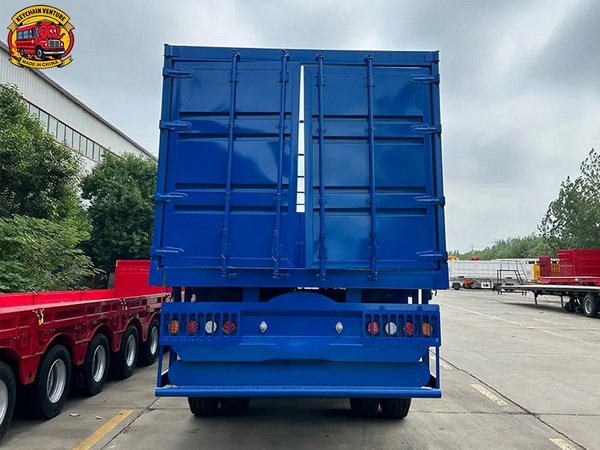
High-quality flatbed semi trailers are manufactured using reinforced steel alloys like Q345B or high-strength carbon steel for durability and load-bearing strength. Key structural components include:
- Main Beams: Thickness ranges from 8mm to 16mm, often made from steel for rigidity.
- Chassis: Can be carbon steel in thicknesses of 3mm, 4mm, or 6mm, or sometimes aluminum alloys for lighter weight.
- Axles: Typically 2 to 4 axles with brands such as BPW, SAF, or FUWA providing strong and reliable suspension.
- Suspension: Options include mechanical leaf springs, air suspension, and bogie suspension systems to enhance ride quality and load stability.
- Tires: Heavy-duty radial tires sized 11.00R20, 12.00R20, or up to 385/65R22.5 from brands like Bridgestone, Hankook, or Triangle.
The trailer's load-bearing capacity and handling capabilities are designed according to intended applications, with typical load capacities ranging from 20 tons for smaller models to over 70 tons for heavy-duty versions.
In commercial freight transport, adherence to width regulations is critical. Most countries have a maximum legal trailer width of 8.5 feet (2.5 meters) without special permits. This standard facilitates smooth traffic flow and reduces accident risks.
In China, the official regulations allow up to 2.6 meters width for certain trailer types, but the flatbed semi trailer width is almost universally maintained at 2.5 meters due to infrastructure and road design.
Besides width, height and length restrictions also apply. The maximum total height, including cargo, is usually limited to about 4 meters (13 feet 6 inches), and lengths must comply with local road laws or require special permits if they exceed set limits.
Loading a flatbed semi trailer correctly is vital for safe transport. Key practices include:
- Distributing the cargo weight evenly across the trailer.
- Ensuring proper centering of heavy loads to avoid imbalanced weight distribution.
- Securing cargo with appropriate restraints like ratchet straps, chains, binders, and twist locks, especially for containers or machinery.
- Observing height restrictions to prevent collisions with overhead obstacles.
- Regular inspection of brakes, lights, tires, and suspension components to ensure vehicle safety.
Following these practices minimizes accidents and legal issues while extending the service life of the semi trailer.
- Versatility: Can transport an extensive range of goods, from construction materials to oversized machinery.
- Accessibility: Open design allows loading from all sides and from above.
- Customizability: Available in varied lengths and configurations including extendable options.
- Cost-Efficiency: Ideal for freight that doesn't require enclosed protection, reducing overall costs.
- Durability: Built with strong materials for long-term use under heavy loads.
Flatbed semi trailers most commonly measure 8.5 feet (2.5 meters) in width to conform with road safety regulations globally, including in China. These trailers vary in length from 20 to 53 feet and can be extended further for special cargo. Understanding their technical specifications, loading requirements, and regulatory limits is essential for logistics professionals and transport businesses aiming to maximize efficiency and safety in freight operations. As an indispensable component of commercial vehicle fleets, flatbed semi trailers offer unmatched flexibility in hauling diverse cargo types efficiently and securely.
A standard flatbed semi trailer is 8.5 feet (2.5 meters) wide, the maximum allowed width in most countries for highway travel without special permits.
Lengths typically range from 20 feet to 53 feet, with extendable versions reaching up to 80 feet for exceptionally long cargo.
Depending on design and axle configuration, flatbed semi trailers can carry from 20 tons up to 70 tons or more.
They are usually made from high-strength steel alloys such as Q345B, with main beams between 8mm to 16mm thick, along with durable chassis materials and heavy-duty tires.
Ensuring even weight distribution, using proper cargo securement methods, complying with height and weight regulations, and routinely inspecting equipment for safety compliance are essential.
[1](https://www.pandamech.com/info/what-is-a-flatbed-semi-trailer/)
[2](https://www.humbaur.com/en/trailer/flatbed-trailers/flatbed-semi-trailer-hts/)
[3](https://www.howo-truck.com/trucks/sinotruck-flatbed-semi-trailer-truck/)
[4](https://www.titanvehicle.com/article/20-40-45-53-ft-flatbed-trailer-dimensions-specifications.html)
[5](https://streamlogistics.com/trailer-dimensions/)
[6](https://www.utilitytrailer.com/flatbeds/specifications/)
[7](https://brucerockengineering.com.au/wp-content/uploads/Australian-Steel-Flatbed-DATA-SHEET.pdf)
[8](https://www.dsv.com/en/our-solutions/modes-of-transport/road-transport/trailer-sizes/open-trailer)
[9](https://www.bws.net/toolbox/trailer-specifications)


