


Content Menu
● Understanding Ore Excavators
● Preparing Your Ore Excavator for Operation
>> Basic Excavation Techniques
>> Advanced Excavation Techniques
● Maintenance Best Practices for Ore Excavators
● Maximizing Productivity with Ore Excavators
>> Operator Training and Skill Development
● Environmental Considerations
● FAQ
>> 1. What should I inspect when buying a used excavator?
>> 2. How often should maintenance be performed on an ore excavator?
>> 3. Can ore excavators be used for materials other than ore?
>> 4. How can I extend the lifespan of used excavator parts?
>> 5. Is specialized training required to operate an ore excavator?
Ore excavators are powerful machines widely used in mining, construction, and heavy industries for extracting and handling bulk materials such as ore, gravel, and rock. At KeyChain Venture Co., Ltd., we are proud suppliers of high-performance commercial vehicles, including robust ore excavators that deliver exceptional efficiency and durability for domestic and international customers. This comprehensive guide will walk you through how to use an ore excavator effectively, whether you are operating a brand-new machine or a Used Excavator. We will also provide practical tips, safety precautions, maintenance insights, and operational techniques to maximize your machine's lifespan and productivity.
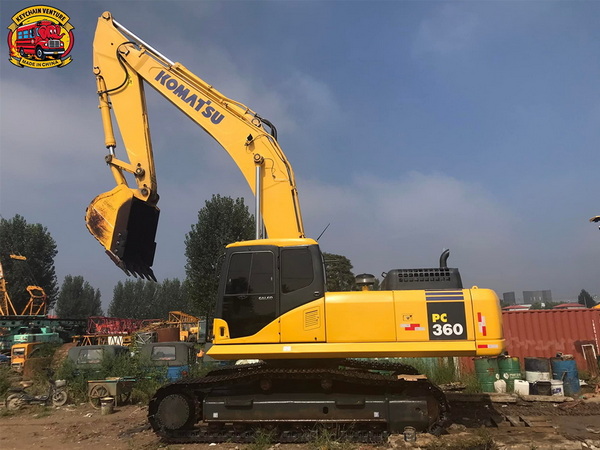
Ore excavators come in different sizes and types, including hydraulic and cable excavators. Their primary function is to dig into ore deposits, load materials into trucks or conveyor belts, or aid in surface mining operations. Understanding the differences between types and their applications helps you make the most of your equipment.
- Hydraulic Excavators: These are the most common type, featuring a boom, stick, and bucket operated hydraulically. They offer precise control and are suitable for most digging and loading tasks in mining and construction.
- Cable Excavators: These excavators use cables for bucket movement and are ideal for heavy digging in open-pit mining due to their strength and efficiency.
Whether new or used excavators are chosen, it is important to understand the capabilities and limitations of each type for your specific project.
Before operating any ore excavator, especially a used excavator, it is vital to perform a thorough inspection to ensure safe and efficient operation.
- Hydraulic system: Check all hydraulic hoses and connections for leaks or damage. Leaks can cause loss of pressure and reduced performance.
- Bucket and attachments: Inspect bucket teeth, the bucket body, and the arms for any signs of wear, cracks, or deformation.
- Controls and safety devices: Test all control levers, pedals, and emergency stops. Confirm that alarms, warning lights, and cameras (if equipped) are functioning properly.
- Fluid levels: Verify engine oil, hydraulic oil, coolant, and fuel levels to avoid breakdowns.
- Undercarriage: Inspect tracks or wheels for debris, wear, or damage that could affect mobility.
A comprehensive inspection can prevent costly repairs and downtime, particularly when operating used excavators, where wear and tear are more common.
Operating an ore excavator involves significant risks, so adhering to safety standards is essential.
- Always wear personal protective equipment such as a hard hat, safety boots, gloves, and reflective clothing.
- Establish communication protocols with ground personnel, using radios or hand signals.
- Set up safe boundaries to prevent unauthorized access to the working area.
- Be mindful of underground utilities and unstable ground conditions that could cause hazards.
- Follow all manufacturer guidelines and local regulations regarding ore excavator operation.
- Enter the cab carefully and fasten your seatbelt.
- Turn on the ignition and allow the engine to warm up to operating temperature.
- Test controls by gently moving the boom, stick, and bucket to ensure hydraulic responsiveness.
- Check brake function and verify smooth track or wheel movement.
Proper excavation technique improves productivity and reduces wear.
- Position the ore excavator on firm and level ground before starting work.
- Lower the bucket to the ore pile or excavation face with the boom and stick.
- Use a dragging or scooping motion to fill the bucket efficiently.
- Lift the bucket and rotate the excavator smoothly to dump material into haul trucks or onto conveyor belts.
- Use deliberate and steady movements to avoid placing excessive stress on components.
Operating a used excavator may require adjusting hydraulic pressure and sensitivity to accommodate any system wear or aging parts, ensuring smoother digging performance.
For experienced operators looking to maximize output:
- Synchronize boom and arm movements using assist functions to achieve precise digging angles.
- Adjust bucket penetration depth and cutting speed based on the hardness and compactness of the ore or soil.
- Employ partial bucket fills with frequent dumping for loose or uneven material to maintain machine balance.
- Reduce unnecessary idling to conserve fuel and prevent hydraulic overheating.
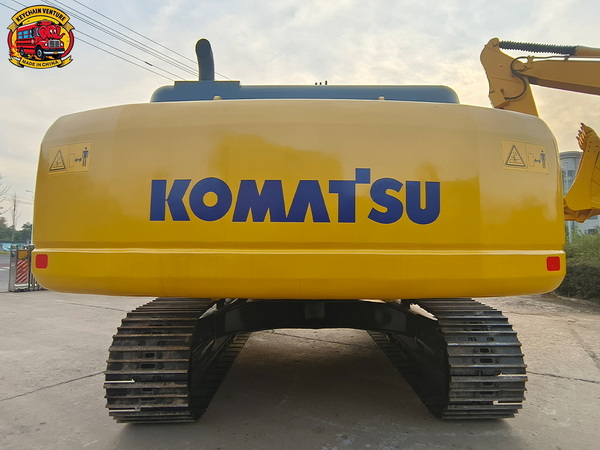
Extending the life of your ore excavator, particularly a used excavator, greatly depends on consistent maintenance.
- Cleaning: Frequently remove dirt, rocks, and debris from the bucket, undercarriage, and moving joints to avoid excessive wear.
- Oil and filters: Change engine oil, hydraulic fluid, and filters regularly, as recommended by the manufacturer or based on operating hours.
- Lubrication: Apply grease to pins, bushings, and joints daily, focusing on high-friction areas.
- Teeth and wear parts: Regularly inspect bucket teeth and replace them before they become severely worn to prevent damage to the bucket and digging inefficiency.
- Inspection: Monitor hydraulic hoses, seals, and cylinders for leaks or damage, performing repairs as needed.
Using genuine parts from trusted suppliers like KeyChain Venture Co., Ltd. ensures optimal performance and reliability.
Proper operator training is essential for safe and efficient ore excavator use. Operators should understand machine controls, hydraulics, and site-specific challenges. Skilled operators can reduce fuel consumption, machinery wear, and accident risks.
Avoid overloading the bucket, which can strain the boom, hydraulics, and engine. Proper load management balances efficiency with mechanical longevity.
Efficient site planning reduces unnecessary movements of the ore excavator. Position stockpiles, haul roads, and dump areas to allow smooth operation and minimize turning or repositioning.
Advanced ore excavators may include GPS guidance, automated digging assistance, or telematics for performance monitoring, which can optimize productivity and maintenance schedules.
Operating ore excavators responsibly involves minimizing dust, noise, and ground disturbance. Use water sprays or dust suppressants and maintain noise control equipment. Prevent soil contamination by preventing fuel or oil leaks.
Operating an ore excavator successfully requires understanding the machine's design and functions, performing detailed pre-operation checks, adhering to safety rules, and applying best practices during excavation. Whether using a new or a used excavator, regular maintenance and skilled operation play critical roles in enhancing productivity and extending machine life. Reliable suppliers like KeyChain Venture offer high-quality ore excavators that meet demanding industrial needs worldwide, supported by expert service and genuine parts.
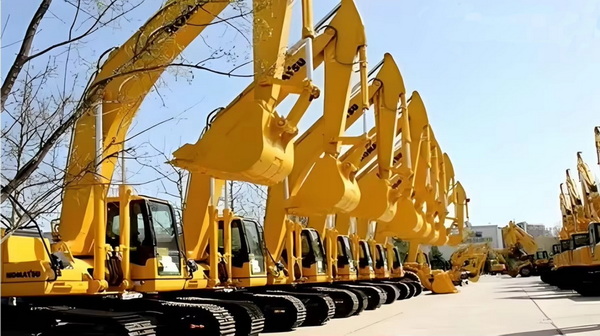
When purchasing a used excavator, inspect the hydraulic system for leaks, evaluate the wear on bucket teeth and arms, check engine and operational hours, review maintenance history, and conduct a test run to assess performance.
Daily inspections should precede every operation, while routine servicing, including oil changes and filter replacements, should occur every 250 to 500 operating hours or as recommended by the manufacturer.
Yes, ore excavators are versatile machines capable of handling various bulk materials such as rock, gravel, sand, and demolition debris. Correct bucket selection enhances material handling efficiency.
Regular cleaning, timely lubrication, replacing worn components such as bucket teeth, and repairing hydraulic leaks contribute to longer part and overall excavator lifespan.
Yes, certified operator training is essential. It ensures operators understand controls, safety protocols, and efficient digging techniques, which enhance site safety and productivity.


