
Views: 222 Author: Amanda Publish Time: 2025-09-18 Origin: Site


Content Menu
● Understanding Used Tractor Loans
>> What Is a Used Tractor Loan?
● Financing Options for Used Tractors
>> Agricultural Equipment Loans
>> Equipment Leasing and Hire Purchase
>> Government-backed Loans and Subsidies
● Factors Affecting Loan Approval
>> Loan Amount and Tractor Value
>> Borrower's Creditworthiness
>> Business Financials and Experience
● How to Apply for a Used Tractor Loan
>> Step 1: Identify Your Tractor Needs
>> Step 2: Inspect and Appraise the Used Tractor
>> Step 3: Gather Financial Documentation
>> Step 4: Compare Lenders and Loan Products
>> Step 5: Submit Loan Applications
>> Step 6: Review Loan Terms and Finalize Purchase
● Advantages of Financing a Used Tractor
● Maintaining Your Used Tractor to Protect Your Investment
● Understanding Market Trends in Used Tractors
● Environmental and Technological Considerations
● FAQ
>> 1. Can anyone get a loan for a used tractor?
>> 2. What is the typical loan-to-value ratio for used tractor loans?
>> 3. How does the age of a used tractor affect loan terms?
>> 4. Are there specialized lenders for agricultural equipment loans?
>> 5. What documents are needed to apply for a used tractor loan?
In the agricultural and construction sectors, tractors are indispensable machines that enable large-scale operations, improve productivity, and reduce manual labor. For many farmers and business owners, purchasing a tractor is a significant investment, and not everyone has the capital available for a brand-new machine. This often leads to the question: Can you get a loan for a used tractor? The answer is yes, and this article will explore the financing options available for used tractors, the factors to consider, and how to secure a loan that fits your needs.
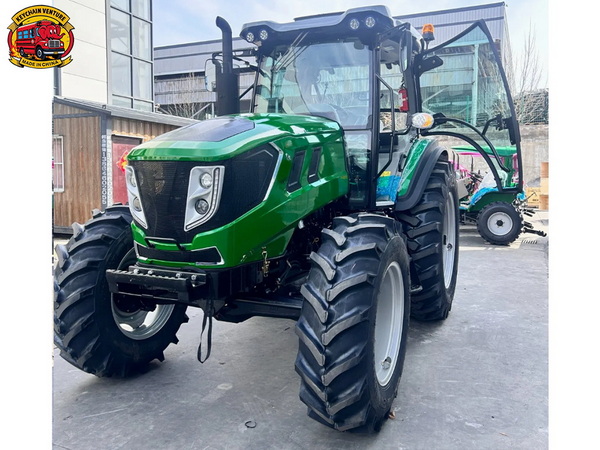
Buying a used tractor using a loan involves many similar processes as financing other types of equipment or vehicles. However, since a used tractor is depreciated in value and may have varied maintenance requirements, lenders apply specific criteria to mitigate risks. Knowing these factors beforehand can smooth the approval process.
A used tractor loan is a type of financing that allows buyers to borrow money from financial institutions, such as banks, credit unions, or specialized agricultural finance companies, to purchase a pre-owned tractor. Unlike cash purchases, loans spread the cost over time through monthly payments, usually with interest.
Used tractors offer several advantages for businesses and farmers:
- Lower upfront cost compared to new tractors
- Availability of models no longer in production
- Faster acquisition when new tractors are out of stock or high in demand
- Potential for reliable performance if well maintained
Despite these advantages, buyers must still conduct thorough inspections and consider loan feasibility to avoid costly pitfalls.
Several financing options exist for acquiring used tractors:
Many banks and credit providers offer specialized agricultural loans with terms and interest rates designed for farm equipment financing, including used tractors. These loans can have competitive interest rates and flexible repayment schedules that align with farming cash flows. In many cases, lenders understand the seasonal nature of farming and may offer seasonal payment plans or deferred payments during off-peak months.
Leasing used tractors or entering a hire purchase agreement provides an alternative to traditional loans. Leasing typically involves lower upfront costs and monthly payments but does not immediately transfer ownership. Hire purchase agreements allow ownership once all payments are complete. Businesses sometimes prefer these methods when cash flow is limited but equipment access is urgent.
In some regions, governments offer support programs to encourage agricultural development. These may include low-interest loans, credit guarantees, or partial subsidies for equipment purchases, including used tractors. Such programs are particularly valuable for small-scale farmers or startups with limited access to commercial credit.
For less expensive used tractors or small-scale operations, personal loans may be an option. However, personal loans generally carry higher interest rates, shorter repayment periods, and less favorable terms than specialized agricultural equipment loans.
Many used tractor dealerships facilitate financing by partnering with lenders, offering buyers convenient loan packages directly at the point of sale. This often streamlines the purchasing process, but it's wise to compare dealer financing offers with independent loan options to get the best terms.
Several key factors influence a lender's willingness to approve a loan on a used tractor:
Lenders assess the tractor's physical condition, hours of operation, maintenance records, and overall reliability. Older tractors or those with poor maintenance history might attract higher interest rates or require shorter loan terms.
Loan-to-value (LTV) ratios reflect the portion of the tractor's value that lenders are willing to finance. Typically, lenders finance between 70% and 90% of the tractor's appraised value. The appraisal must be done by an authorized agent or an expert mechanic.
A strong credit score, steady income, and a manageable debt-to-income ratio increase loan approval chances and reduce borrowing costs. Farmers with consistent revenue streams or successful business financial histories often secure better loan terms.
Providing a larger down payment reduces lender risk, demonstrating your commitment to the purchase and often resulting in better loan interest rates and terms.
Commercial borrowers may need to provide business financial statements, tax returns, and evidence of farming experience. Lenders prefer borrowers with a history of successful farm or equipment management.
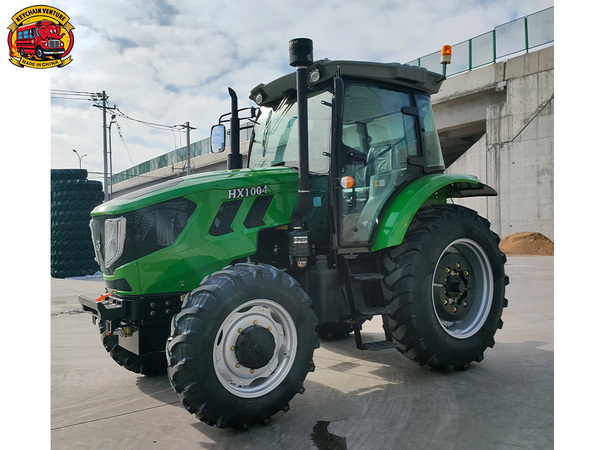
Determine tractor specifications such as horsepower, brand preference, attachments, and intended use. Consider factors like fuel efficiency, durability, and availability of parts to ensure fit with your operations.
Carefully inspect the machine or have a trusted mechanic evaluate it for wear, leaks, engine health, hydraulics, and electronic systems. A professional appraisal will help you negotiate price and support loan applications.
Prepare documents including proof of income, credit history, tax returns, bank statements, and for businesses, financial statements and business plans.
Evaluate loan offers from banks, credit unions, agricultural lenders, and dealership financing agents. Compare interest rates, loan terms, repayment schedules, and hidden fees.
Apply to your selected lenders with all required documentation. Providing complete and accurate information improves approval chances and expedites processing.
If approved, review all loan conditions including repayment schedules, penalties, and interest rates before signing. Then proceed with purchasing the tractor.
- Manageable Payments: Spread the cost of an expensive capital asset over time, easing cash flow pressures.
- Preserve Cash Reserves: Maintain liquidity for operational expenses, emergencies, or growth investments.
- Upgrade Opportunity: Access better equipment than immediate cash purchase allows, boosting productivity.
- Credit History Building: Timely loan payments can improve your credit profile, facilitating future financing.
- Higher Interest Rates: Used equipment often attracts higher loan rates than new machinery due to added risk.
- Shorter Terms: Loans for used tractors generally have shorter durations, increasing monthly payments.
- Maintenance Costs: Unexpected repairs on older tractors may add to expenses beyond loan payments.
- Stricter Approval Criteria: Lenders may require more documentation and down payment than with new equipment loans.
- Keep your credit score in good standing by paying bills on time and reducing outstanding debt.
- Provide a robust paper trail including income verification, business financials, and asset appraisals.
- Choose tractors with documented maintenance history and fewer operating hours.
- Be prepared to make a reasonable down payment to lower lender risk.
- Work with lenders who specialize in agricultural loans, as they better understand industry-specific nuances.
Proper maintenance extends the lifespan of a used tractor and preserves its value. Regular checks, fluid replacements, and preventive repairs help avoid breakdowns and enhance resale or trade-in value. This maintenance record also reassures lenders if refinancing or upgrading the machine in the future.
The used tractor market can be volatile, influenced by factors such as commodity prices, agricultural policy, and advances in technology. Periods of high commodity prices often spur demand and push up used tractor prices. Conversely, during downturns, sellers may offer competitive prices. Monitoring market conditions can help buyers time their purchase and loan application for better financial outcomes.
Modern tractors increasingly feature fuel-efficient engines, GPS guidance, and telematics systems. While used tractors may lack some advanced technologies, financing can still enable buyers to access reasonably modern equipment that meets environmental standards, improving fuel cost savings and operational efficiency.
Getting a loan for a used tractor is not only possible but can be a highly beneficial financing approach for farmers and businesses. With the right preparation, understanding of lending criteria, and thorough tractor inspection, buyers can secure favorable financing terms. Used tractors offer cost advantages and operational flexibility, so financing one can accelerate your productivity and effectiveness. Always compare loan options, maintain good credit, and choose tractors with verified histories to maximize your investment.
Loans for used tractors are generally available, but approval depends on creditworthiness, income, and the tractor's condition.
Lenders often finance between 70% and 90% of the used tractor's appraised value, depending on loan type and borrower profile.
Older tractors may have shorter loan terms and higher interest rates due to increased risk and lower residual value.
Yes, many banks and financing companies specialize in agricultural equipment loans with tailored products.
Common documents include proof of income, credit reports, business financial statements, purchase agreement, and tractor details.


