
Views: 222 Author: Amanda Publish Time: 2025-08-27 Origin: Site


Content Menu
● Introduction to Pulling Garden Tractors
● Materials and Tools You Will Need
● Step 2: Constructing the Frame
● Step 3: Selecting and Installing the Engine
● Step 4: Transmission and Drive System
● Step 5: Steering and Suspension
● Step 7: Safety Features and Final Adjustments
>> Essential safety components:
● Maintenance Tips for Long-Term Performance
● FAQ
>> 1. What type of engine is best for a pulling garden tractor?
>> 2. Can I use a lawn mower transmission for the pulling tractor?
>> 3. How important is tire selection for pulling tractors?
>> 4. Do I need welding skills to build a pulling tractor?
>> 5. What safety features should I include on my tractor?
Building a pulling garden tractor is an exciting and rewarding project for enthusiasts of all skill levels. Whether you are interested in competing in tractor pulls or simply want a powerful machine for your farm or garden, constructing your own tractor provides an excellent opportunity to customize it to your needs and preferences. This comprehensive guide will walk you through the essential steps, materials, tools, and techniques required to build a high-performance pulling garden tractor designed to maximize torque, traction, and durability.
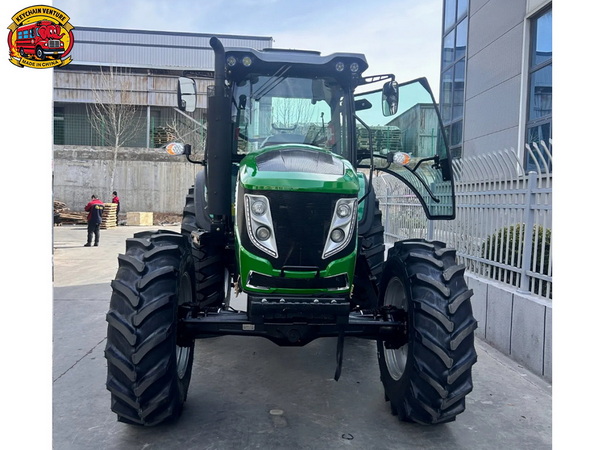
Pulling garden tractors are specially designed tractors built to perform in tractor pulling competitions or handle heavy-duty tasks in agricultural or garden settings. Unlike standard garden tractors, pulling tractors often undergo significant modifications or are custom-built to maximize power and traction. These machines are optimized to pull heavy loads over loose surfaces such as dirt, grass, or mud and sometimes used for competitions where pulling heavy sleds is the goal.
Key features that differentiate pulling garden tractors from typical lawn or garden tractors include reinforced frames, upgraded engines, high-traction tires, and specialized transmissions that allow for better power transfer to the wheels. The objective of building a pulling tractor is to create a robust machine that can deliver significant pulling force, maintain stability under stress, and remain controllable.
By building your own pulling garden tractor, you unlock the flexibility to choose the best components, customize performance parts, and create a tractor tailored to your specific pulling or farming needs. This article guides you through each stage of the build process—from planning to final safety checks—to ensure you get a powerful, reliable tractor.
Before beginning construction of your pulling garden tractor, gather all necessary materials and tools. Having everything ready will streamline the build process and help avoid interruptions.
- Steel tubing and sheet metal: For constructing the frame and reinforcements. Choose high-grade steel for superior strength and durability.
- Engine: A key component. Typically, lawn mower engines or small tractor engines in the 12-25 HP range are used, but for more competitive builds, high-performance engines or modified racing engines can be selected.
- Transmission system: Pick between Continuously Variable Transmissions (CVTs), belt transmissions, or geared gearboxes depending on your power and control needs.
- Drive shafts and axles: Connect the transmission to the rear wheels to transmit torque.
- Steering components: Steering box or rack-and-pinion systems.
- Heavy-duty tires: Tires specifically designed for pulling, often with deep lug tread patterns to maximize ground traction.
- Seat and safety features: A sturdy, comfortable seat, roll cage, seat belts, and kill switches.
- Electrical components: Wiring, battery, switches, and ignition parts.
- Hardware: Bolts, nuts, washers, brackets, and mounts.
- Welding machine for steel frame fabrication.
- Angle grinder and cutoff wheels for cutting metal.
- Power and hand drills with assorted bits.
- Socket wrenches, ratchets, screwdrivers, and pliers.
- Torque wrench for precision tightening.
- Measuring tape, metal ruler, carpenter square for accuracy.
- Jack stands or a hydraulic lift to facilitate under-tractor work.
- Clamps to hold parts during welding or assembly.
Every successful pulling tractor begins with detailed planning and design. Start by defining your goals: Is your tractor intended for competition, or will you use it for heavy-duty garden or farm work? The answer will guide every design decision.
- Frame dimensions: Length, width, and height based on engine size and wheelbase requirements.
- Weight distribution: Optimal balance between front and rear to maximize traction without sacrificing control.
- Mounting points: Placement for the engine, transmission, and accessories.
- Modification possibilities: Plan for future upgrades or changes.
- Steering and suspension setup: Ensure the steering radius and suspension travel will support safe operation and maneuverability.
Consider using computer-aided design (CAD) tools to create detailed 3D models of your tractor before cutting and welding steel. This allows visualization of the assembly and helps detect potential design flaws in advance.
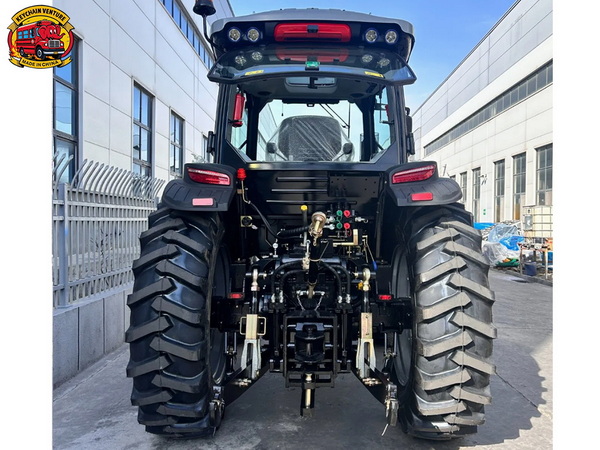
The frame is the backbone of your pulling garden tractor, responsible for supporting all other components and enduring stress during pulling.
1. Cut steel tubing according to your design sketches. Use accurate measurements to avoid misalignment.
2. Assemble the base: Weld together steel tubing to form a strong rectangular or square base. Pay attention to producing perfect right angles using carpenter squares.
3. Add cross braces and gussets: These components reinforce the frame, distributing stress loads evenly.
4. Include mounting brackets: Weld solid mounting points for the engine, transmission, axles, seat, and steering components.
5. Incorporate a roll cage: For safety, fabricate a roll cage integrated into the frame structure to protect the driver in case of tip-overs or accidents.
Throughout the welding process, frequently check alignment and squareness to ensure a straight, balanced frame. Warped or uneven frames can lead to difficulties in assembly and unstable operation.
The engine is the heart of your pulling tractor's powertrain. The right engine will provide ample horsepower to pull heavy loads without burning out prematurely.
- Most homebuilders choose air-cooled or liquid-cooled small engines originally designed for lawn mowers or garden tractors.
- Horsepower between 12 and 25 HP is typical; higher HP engines are favored in competitive pullers.
- Consider performance upgrades such as modified carburetors, high-compression pistons, aftermarket exhausts, and enhanced cooling systems.
- Position the engine on the frame's mounting plates, ensuring proper alignment with the transmission.
- Use vibration-damping rubber mounts to minimize stress on the frame and reduce noise.
- Ensure the fuel system is secure and safely situated away from heat and moving parts.
The transmission converts and transfers engine power to the rear wheels, playing a pivotal role in your tractor's pulling efficiency.
- CVT (Continuously Variable Transmission): Common in lawn tractors, provides smooth acceleration and is easy to install.
- Geared Gearboxes: Offer fixed gear ratios, potentially giving more direct power but less flexibility.
- Direct Drive: Some builders choose direct-drive systems for simplicity, though these may require more skill to manage power delivery.
- Connect the transmission output shaft to the rear axle via a drive shaft, ensuring precise alignment.
- Use universal joints to allow articulation of the rear axle without binding.
- Install differential components if your tractor design requires them to help distribute torque evenly.
Proper drivetrain alignment is critical to reduce wear and maximize power transfer efficiency.
Effective control over your pulling tractor depends on responsive steering and a suspension system that can handle rough terrain and heavy loads.
- Choose a steering system such as rack-and-pinion or a steering box.
- Link the steering components to the front wheel spindles with tie rods and ball joints.
- Design the linkage to provide a tight turning radius while maintaining stability.
- A solid rear axle is standard for pulling tractors, providing durability and strength.
- Front suspension can use leaf springs, coil springs, or torsion bars to absorb bumps and impacts.
- Ensure all mounting points use bushings or bearings to reduce friction and wear.
Regular inspection and lubrication of steering and suspension parts ensure smooth and predictable operation.
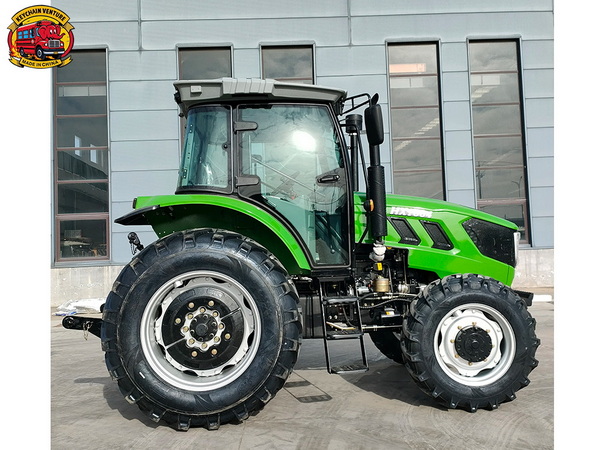
Tire choice and condition dramatically influence your tractor's pulling capabilities.
- Rear tires: Opt for large, wide tires with deep lugs or cleats to grip soft ground firmly. These are responsible for traction and transferring engine torque to the soil.
- Front tires: Smaller but durable tires designed for precise steering control.
- Adjust tire pressure based on terrain—lower pressures increase the footprint for better grip but may impact handling.
Replacing worn tires with new, high-traction models can drastically improve pull strength and reduce wheelspin.
Safety cannot be overlooked in a vehicle that pulls heavy loads.
- Roll cage: Protects the operator in case of rollovers.
- Seat belts or harnesses: Keep the driver securely seated.
- Kill switch: Allows immediate engine shutdown in emergencies.
- Lighting: Adequate front and rear lighting improves visibility when operating near roads or in poor conditions.
- Protective guards: Shields for belts, pulleys, and moving parts to prevent accidental contact.
Conduct thorough final inspections:
- Tighten all bolts and fasteners to manufacturer torque specifications.
- Check all electrical connections for secure contact.
- Test steering responsiveness, brake effectiveness, and throttle control.
- Run the engine at different speeds and listen for unusual noises.
A well-maintained, safe tractor ensures many seasons of trouble-free use.
To keep your pulling garden tractor operating at peak performance, routine maintenance is critical.
- Replace engine oil and check filters regularly.
- Monitor transmission fluid levels and replace if contaminated.
- Maintain proper tire pressure and replace tires when tread depletes.
- Lubricate all joints and moving parts monthly or as needed.
- Clean the air filter to keep the engine breathing efficiently.
- Periodically inspect welds for cracks or fatigue and repair promptly.
Consistent maintenance not only extends the tractor's lifespan but also enhances safety and performance in pulling events or farm work.
Building a pulling garden tractor is a rewarding endeavor that demands a blend of mechanical skills, planning, and practical knowledge. Whether your goal is competition or practical heavy-duty utility, creating your own tractor allows you to customize the machine to your exact requirements. From selecting the right engine and transmission to constructing a rugged frame and installing high-traction tires, every step contributes to a powerful, reliable tractor. Prioritizing safety features and regular maintenance ensures the tractor performs well and lasts many years. With dedication and attention to detail, your pulling garden tractor will be a formidable machine capable of meeting the toughest pulling challenges.
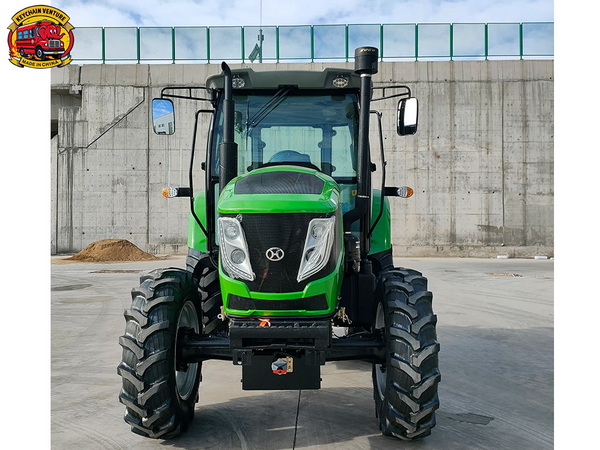
Most pulling garden tractors use small, reliable engines between 12 and 25 horsepower. Modified lawn mower or small tractor engines are common, with performance parts added to increase torque and power output.
Yes, Continuously Variable Transmissions (CVTs) from lawn tractors are popular for their ease of installation and smooth power delivery, making them suitable for many pulling tractor builds.
Tire choice is critical. Large, wide rear tires with aggressive lugs maximize traction, helping transfer engine power to the ground effectively and reducing wheel slip during pulls.
Basic welding skills are highly recommended to build a strong, safe frame. While custom frames are common, pre-made frames are available but limit customization.
Include a sturdy roll cage, seat belts or harnesses, an engine kill switch, and guards for moving parts, all essential to protect the operator during pulling activities or accidents.


