Views: 222 Author: Amanda Publish Time: 2025-08-24 Origin: Site


Content Menu
● Key Factors Affecting Water Truck Cost
>> 2. Vehicle Chassis and Engine
>> 3. Tank Material and Construction
>> 4. Pumping System and Accessories
● Additional Considerations for Water Truck Buyers
>> Licensing and Regulatory Compliance
>> Fuel Efficiency and Environmental Impact
>> Customization and Special Features
>> Maintenance Support and Spare Parts Availability
● Typical Water Truck Prices in 2025
● Water Truck Types and Applications
>> Road Maintenance Water Trucks
● How to Choose the Right Water Truck
● Maintenance and Operating Costs
● Frequently Asked Questions About Water Trucks
>> 1. What is the average cost of a small water truck?
>> 2. Can I rent a water truck instead of buying one?
>> 3. What materials are water truck tanks made of?
>> 4. How important is the chassis brand and engine in pricing?
>> 5. Are used water trucks a good investment?
Water trucks are indispensable for a variety of industrial, municipal, and construction applications. Whether it's dust suppression at a construction site, watering roads and landscapes, or assisting in firefighting efforts, water trucks fulfill critical roles that require reliable performance and substantial capacity. If you're considering purchasing or renting a water truck, one of the first questions is: how much does a water truck cost?
This comprehensive guide dives deep into the pricing factors, types, and features of water trucks, helping you understand how to choose the right one for your needs—and how much you can expect to invest.
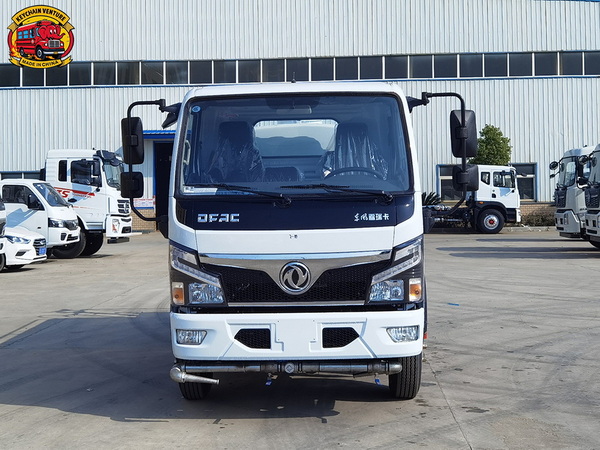
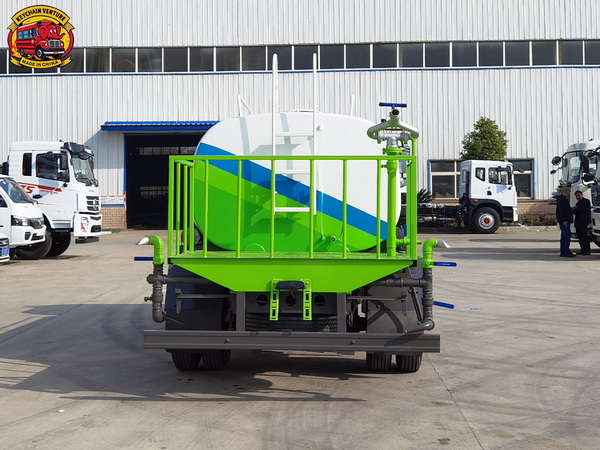
A water truck is a specialized commercial vehicle equipped with a large tank to carry and spray water. Typically built on the chassis of heavy-duty or medium-duty trucks, these vehicles come with pumping systems, spray nozzles, hoses, and in some cases, water cannons, to distribute water efficiently over large areas.
Water trucks are widely used in:
- Construction sites for dust control
- Agricultural irrigation
- Firefighting support
- Street and road cleaning
- Landscaping and grounds maintenance
The size and functionality of water trucks can vary widely, influencing their cost significantly.
Several critical features influence the overall price of a water truck:
The most visible factor is the tank size, typically measured in gallons or liters. Common tank sizes range from 2,000 to 9,000 gallons (approximately 7,500 to 34,000 liters). Larger tanks usually mean higher prices and greater weight, requiring more powerful chassis and engines.
As capacity increases, the truck's operational efficiency can improve because fewer trips are needed to deliver water, but this comes with increased initial investment and more complex handling requirements. Smaller water trucks tend to be more maneuverable and suitable for tighter job sites, while larger models are indispensable for expansive industrial operations.
Water trucks are often built on chassis from brands like Ford, Kenworth, International, or Volvo. The engine power, drivetrain configuration (4x2, 6x4, 8x4), and transmission type (manual, automatic) add to the price. Heavy-duty chassis with more horsepower cost more but offer better performance and durability for demanding tasks.
Choosing the right chassis is vital to ensuring the water truck can handle the intended workload and terrain. For instance, a 6x4 or 8x4 drivetrain offers better traction and load distribution for heavy-duty environments like construction sites or mining operations. Meanwhile, simpler 4x2 configurations are suitable for lighter duty and urban settings.
The tank material—steel, stainless steel, or aluminum—affects cost and durability. Aluminum tanks are lighter but usually more expensive. Steel tanks are more common and have strong durability but weigh more. Special coatings and linings for potable water or chemical-resistant tanks can increase prices further.
Manufacturers also consider tank design improvements to maximize water flow and ease of cleaning. Modular and customizable tanks with compartments for multiple liquids or additives contribute to varied pricing but can enhance operational flexibility.
Advanced pump systems to deliver higher water flow rates, multiple spray nozzles, hoses, remote controls, and water cannons add to the price. Features like foam systems or specialized fire suppression equipment can also heighten cost.
Some water trucks include automated spray systems that adjust flow according to speed or terrain, reducing water waste. Remote-controlled spraying units improve safety and efficiency for operators. Additionally, hose reels, fill stations, and splash guards are common accessories that add cost but improve overall utility.
Buying a new water truck is generally more expensive but benefits from the latest technology, warranties, and customization options. Used water trucks can cost 30-70% less depending on condition, age, and market demand, making them attractive for budget-sensitive buyers.
However, purchasing used equipment requires thorough inspection of critical components such as the pump system, chassis integrity, and engine condition to avoid costly repairs later. Reliable sellers often provide maintenance histories or certification.

While the cost of the vehicle itself is a major factor, buyers should also consider additional elements that impact the total cost of ownership and operational success.
Water trucks often operate under local or national regulations requiring vehicle registration, emissions certification, and safety inspections. Compliance costs vary by region and should be factored into the budget.
Modern water trucks with fuel-efficient engines and emission control technologies might have a higher upfront price but offer savings on fuel and contribute to greener operations. With increasing environmental regulations worldwide, eco-friendly options are gaining importance.
Customers may require specific adaptations such as heated tanks for cold climates, low-profile designs for narrow access points, or integration with other heavy machinery. These customizations often increase delivery time and cost but optimize performance for specialized tasks.
When purchasing from established brands or suppliers, after-sales service agreements and availability of replacement parts ease maintenance burdens and reduce downtime. Buyers should verify warranty terms and local service support.
Here are some indicative prices for new and rental water trucks in 2025 based on recent market data:
- Small Water Truck (2,000 gallons): $20,000 - $45,000
- Medium Water Truck (4,000 gallons): $70,000 - $150,000
- Large Water Truck (7,000 - 9,000 gallons): $150,000 - $350,000+
- Rental Water Truck (2,500 - 9,000 gallons): $1,200 - $6,350 per week
For example, a 4,000-gallon water truck lease might cost around $1,775 per week, whereas renting a 9,000-gallon unit might exceed $6,000 weekly. These prices fluctuate with location, demand, and specifications.
In Australia, water trucks for sale range between AUD 26,500 and over AUD 370,000, reflecting capacity, condition, and specs. Meanwhile, in China, factory prices for water trucks can range from USD 12,000 to $60,000 depending on configuration and features.
Water trucks come in various types tailored to their specific applications:
These models are designed for rugged construction environments, suited for dust suppression and soil compaction. They usually feature tanks between 2,000 and 5,000 gallons and strong pump systems for efficient water distribution.
Often operated by municipal authorities, these trucks hydrate roads, clean streets, and control dust over large urban or highway stretches. They have higher-capacity tanks and may include complex spray bar systems.
Built with reinforced tanks and high-pressure pumps, these vehicles play vital roles in wildfire suppression and emergency response. They often come equipped with foam systems and water cannons.
Used for irrigation and water delivery in farming, these water trucks may have specialized features for safe transportation of potable or treated water. Moderate tank sizes accommodate different terrain and access limitations.
Choosing the right water truck depends on several crucial criteria:
- Water capacity needed for your operations.
- The terrain and environment where the truck will operate.
- Required features and accessories, including foam systems or remote spraying.
- Budget constraints and whether new or used options are preferable.
- The availability of maintenance and after-sales service.
Thoroughly evaluating these points ensures the truck meets safety standards, achieves operational efficiency, and provides a good return on investment.
Owning and operating a water truck involves ongoing expenses beyond the purchase price:
- Fuel consumption varies with engine size, load, and usage intensity.
- Routine inspections and servicing for chassis, pumps, and tanks.
- Insurance premiums, permits, and licensing fees.
- Repairs and replacement part costs.
Preventive maintenance and operator training enhance the water truck's lifespan and performance, protecting your investment over the years.
Water trucks are vital assets in many industries, delivering water efficiently where it's needed most. The cost of a water truck depends greatly on its tank capacity, chassis, features, and whether it's new or used. Prices for new water trucks range from $20,000 for smaller units to over $350,000 for large, specialized ones. Rental options are also available for temporary needs.
When selecting a water truck, consider your operational needs, terrain, required features, and budget. Investing in quality equipment with proper maintenance will ensure reliability and efficiency for your water distribution tasks.
The average price for small water trucks with tank capacities around 2,000 to 3,000 gallons typically ranges from $20,000 to $45,000, depending on specifications and conditions.
Yes, water trucks are commonly available for rent. Rental costs are usually calculated weekly or monthly, ranging from approximately $1,200 to $6,350 per week depending on capacity and model.
Water truck tanks are generally made of steel, stainless steel, or aluminum. Steel tanks are durable and cost-effective, aluminum tanks are lighter but more expensive, and stainless steel offers corrosion resistance for drinking water applications.
Very important. Heavy-duty chassis from trusted brands like Kenworth or International with powerful engines cost more but offer better performance and lifespan, directly influencing the truck's price.
Used water trucks can provide significant cost savings, often 30% to 70% less than new trucks. However, it is crucial to thoroughly inspect the vehicle for wear and proper functioning before purchasing.
[1](https://www.myhayden.com/watertrucks)
[2](https://blog.iseekplant.com.au/blog/water-cart-hire-rates)
[3](https://www.trucksales.com.au/items/trucks-category/water-truck-subcategory/)
[4](https://www.made-in-china.com/products-search/hot-china-products/Water_Tank_Trucks_Price.html)
[5](https://www.empire-cat.com/equipment/used/catalog/il/3haeummn2sl589691)
[6](https://acntruck.en.made-in-china.com/product/uNOQyjLMiFVX/China-4-Tons-6m3-Water-Tanker-4X2-Water-Tank-Truck-3000-Liter.html)
[7](https://www.ironplanet.com/Water+Trucks)
[8](https://www.autotrader.co.za/trucks-for-sale/tanker-subcategory?pagenumber=2)
[9](https://www.usedvacuumtrucks.com/vacuum-truck-listings/2025-international-hv607-6x4-4000-gallon-water-truck/)
[10](https://thompsonmachinery.com/new-equipment/site-support/water-trucks-trucks-trailers-utility-vehicles/)
[11](https://currysupply.com/products/water-trucks-tanks/on-road/)
[12](https://www.companywrench.com/product/2025-tank-truck-2000-gallon-ford-f750-0036639/)
[13](https://zieglerrental.com/blog/equipment/water-trucks-pumps/water-trucks/)
[14](https://www.alibaba.com/showroom/commercial-water-trucks.html)
[15](https://watertrucks.com/collections/water-trucks)
[16](https://www.purplewave.com/market-value/commercial-trucks-medium-heavy-duty/trucks/tank-truck-or-water-truck)
[17](https://www.alibaba.com/showroom/2025-liters-water-truck-price.html)
[18](https://dir.indiamart.com/impcat/water-trucks.html)