
Views: 222 Author: Amanda Publish Time: 2025-08-23 Origin: Site


Content Menu
● Understanding Semi Trailers: The Basics
● Average Weight Range of a Semi Trailer
● Key Factors Influencing Semi Trailer Weight
>> Axle Configuration and Structural Elements
● Legal Weight Limits and Compliance
>> Federal Weight Limits (U.S.)
● Calculating Fully Loaded Semi Trailer Weight
● Importance of Weight Distribution and Load Balancing
● Different Types of Semi Trailers and Their Weight Profiles
>> Refrigerated (Reefer) Trailers
● Effects of Semi Trailer Weight on Commercial Logistics
● Frequently Asked Questions (FAQ)
>> 1. How much does an empty semi trailer weigh?
>> 2. What key factors affect the weight of a semi trailer?
>> 3. What is the maximum legal weight for a semi trailer on US highways?
>> 4. How do you calculate the maximum cargo weight a semi trailer can carry?
>> 5. Why is proper load distribution important for semi trailers?
Semi trailers are integral to the commercial trucking and logistics industry, providing a powerful means to transport goods across vast distances efficiently. As a leading supplier of commercial vehicles, KeyChain Venture Co., Ltd. recognizes the critical importance of understanding the weight of semi trailers. This knowledge not only influences logistics planning but also ensures compliance with legal regulations, enhances vehicle performance, and guarantees overall road safety. This comprehensive article explores the question: How much does a semi trailer weigh? We will examine various trailer types, factors affecting their weight, legal weight limits, and best practices in load distribution to equip readers with expert-level insights on semi trailer weights.
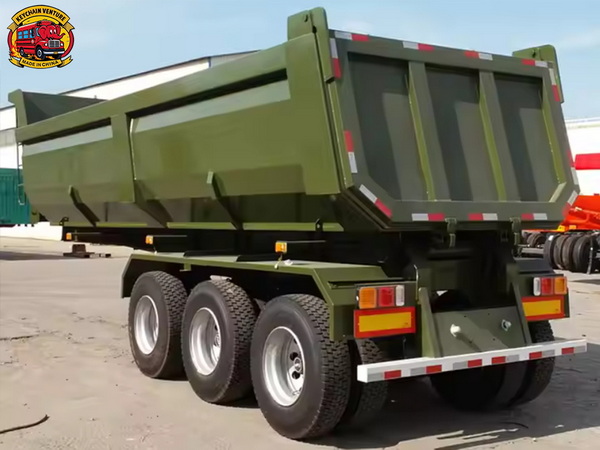
A semi trailer is essentially a trailer without a front axle that depends on a tractor or truck for support and movement. These trailers are central to freight transportation worldwide, moving everything from consumer goods to industrial equipment. Their importance in supply chains means understanding their weight characteristics is vital—from empty (tare) weights to fully loaded configurations.
Semi trailers vary in size, type, capacity, and construction, all of which significantly influence their total weight.
Semi trailers can vary widely in weight depending on design and intended use. Generally, the empty weight of a semi trailer falls within the range of 10,000 to 25,000 pounds (approximately 4,500 to 11,340 kilograms). The type of trailer and materials used for construction influence this variation.
For example:
- Dry Van Trailers, which are enclosed, typically weigh between 10,000 and 15,000 pounds empty.
- Refrigerated (Reefer) Trailers, equipped with insulated walls and refrigeration units, usually weigh between 12,000 and 14,000 pounds.
- Flatbed Trailers, which are open and versatile, have a broader range spanning 7,000 to 15,000 pounds depending on size and build.
- Specialized Trailers, designed for unique cargoes like tanks or livestock, can range from 4,200 to 10,900 pounds.
These weights are important when calculating payload capacity and planning for transportation logistics.
Understanding what controls the weight of a semi trailer helps businesses optimize performance and compliance. Notable factors include:
The two most common building materials are steel and aluminum:
- Steel trailers are heavier due to the material's density but offer superior durability and strength.
- Aluminum trailers are significantly lighter, which can reduce overall vehicle weight by up to 30%, thus improving fuel efficiency and allowing a higher payload capacity. However, aluminum is generally more expensive and may be less durable under heavy use.
- Some manufacturers experiment with composite materials, combining strength with reduced weight, especially for specialized trailers.
Trailer dimensions have a direct impact on weight:
- Standard lengths vary from 40 to 53 feet.
- Typical widths are about 8.5 feet (102 inches).
- Longer and wider semi trailers require more material and structural support, increasing their tare weight.
- Height and internal configurations, such as added shelving or reinforcements, can also add to weight.
Each trailer type has distinct construction features that bear on its weight:
- Dry vans have solid walls, floors, and roofs, making them heavier but better suited for protected cargo.
- Flatbeds lack enclosed sides, which reduces weight but requires a robust frame to support heavy or bulky loads.
- Refrigerated trailers add substantial weight due to insulation and refrigeration machinery.
- Tank trailers used for liquids or gases vary widely in weight depending on tank material and size.
- Specialized trailers, such as lowboys, drop decks, or extendables, tailor construction to specific cargo needs with differing weights.
The number and type of axles also add to trailer weight:
- More axles provide greater load distribution but add weight due to additional hardware.
- Structural features such as reinforced side rails, cross-members, and flooring type (wood, aluminum, steel, or composite) contribute to overall weight.
- Trailer suspensions (air or mechanical) also impact tare weight.
Many semi trailers include optional equipment, adding incremental weight:
- Lift gates or hydraulic ramps enable cargo handling but add several hundred to a few thousand pounds.
- Refrigeration units and power supplies are heavy components on reefers.
- Safety equipment, lighting, and onboard systems affect total trailer weight.
- Fuel tanks located on the tractor affect overall vehicle weight, although they are not part of the trailer itself.
Semi trailer weight is heavily regulated to protect road infrastructure and promote safety.
- The gross vehicle weight limit for a truck and semi trailer combined is typically 80,000 pounds under federal law.
- This includes tractor, trailer, cargo, driver, and fuel.
- Violating these limits without special permits can result in fines, vehicle impoundments, and legal issues.
Federal guidelines also regulate weight per axle group:
- Front steer axles: Maximum 12,000 pounds.
- Drive axles: Maximum 34,000 pounds.
- Trailer axles: Generally up to 34,000 pounds, depending on axle numbers.
Higher weights require special permits and often additional insurance or routing limitations.
Many states have their own weight regulations:
- Some states allow heavier weights with special permits (e.g., Michigan's “superload” permits can permit weights up to 164,000 pounds).
- Weight limits vary depending on road types and bridge capacities.
- Operators must be aware of and comply with regulations for each state on their route.
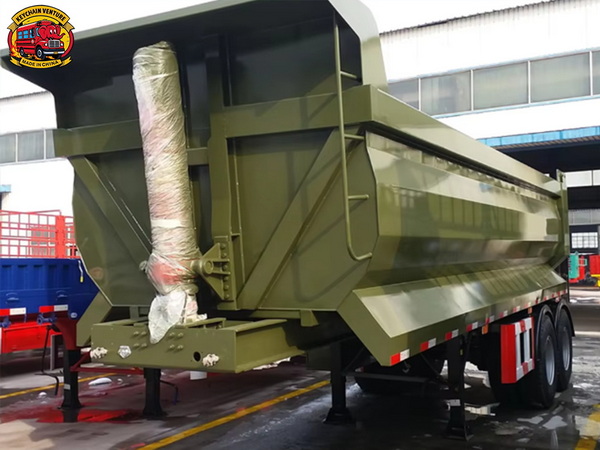
A fully loaded semi trailer must comply with legal weight limits. To calculate total weight:
Total Weight=Tare Weight+Cargo Weight+Tractor Weight+Fuel+Driver and Equipment
Where:
- The tare weight is the empty trailer weight (usually between 10,000 to 25,000 pounds).
- The tractor unit weight commonly ranges from 15,000 to 25,000 pounds.
- Cargo weight and fuel fill the remainder up to the maximum allowed weight.
For example, if the tractor weighs 20,000 pounds and the trailer 15,000 pounds empty, the remaining cargo and fuel load must not exceed 45,000 pounds to stay within the 80,000-pound limit.
Proper weight distribution within the semi trailer is essential for:
- Vehicle Stability: Prevents sway, rollover, and loss of control.
- Braking Efficiency: Uneven weight can cause brake failures or longer stopping distances.
- Tire and Suspension Wear: Balanced loads prevent premature damage.
- Fuel Efficiency: Properly balanced vehicles reduce drag and rolling resistance.
- Regulatory Compliance: Axle weights must remain within legal limits to avoid fines.
Best practices include placing the heaviest cargo near the front over the trailer's kingpin for better traction, securing loads to prevent shifting, and frequently weighing the vehicle to ensure compliance.
The most common type, fully enclosed, ideal for dry freight. Typical tare weight: 10,000 - 15,000 pounds.
Insulated and mechanically cooled trailers for perishable goods. Typically heavier: 12,000 - 14,000 pounds.
Open decks used for timber, machinery, and construction materials. Weight varies from 7,000 to 15,000 pounds based on design.
Used for liquid or gas transport; weight varies widely by tank size and material but generally falls into similar ranges.
Custom-built trailers for unique cargo types, e.g., livestock, heavy machinery. Weight tailored according to cargo demands.
Weight considerations directly affect several logistics aspects:
- Fuel Costs: Heavy trailers demand more fuel, raising operating expenses.
- Safety: Overloaded semi trailers increase accident risk and highway damage.
- Maintenance: Proper weight management reduces strain on tires, brakes, and suspension parts.
- Regulatory Risks: Non-compliance leads to penalties and delays.
- Environmental Impact: Fuel-efficient, lighter trailers reduce carbon emissions.
Investing in lighter materials and proper trailer designs can optimize these factors.
Knowing how much a semi trailer weighs is vital for every player in the transport and logistics sectors. The weight depends on trailer type, size, materials, and equipment. Typically, empty semi trailers weigh between 10,000 and 25,000 pounds, while the fully loaded combination must conform to legal limits, mostly capped at 80,000 pounds in the United States.
Businesses benefit greatly from understanding weight factors, practicing sound load distribution, and abiding by laws to promote safety, efficiency, and cost-effectiveness. As a trusted provider, KeyChain Venture Co., Ltd. offers high-quality, high-performance semi trailers engineered for durability, compliance, and optimized load capacity.

An empty semi trailer usually weighs between 10,000 to 25,000 pounds, depending on trailer type, size, and construction materials.
Factors include materials (steel vs. aluminum), length and width of the trailer, its type (dry van, flatbed, reefer), axle count, and addition of extra equipment like refrigeration or lift gates.
The general maximum gross vehicle weight on US federal highways is 80,000 pounds, including tractor, trailer, cargo, and fuel unless special overweight permits are acquired.
Subtract the semi trailer's tare weight and tractor weight from the gross allowed weight (usually 80,000 pounds). The result is the maximum weight capacity available for cargo.
Proper load distribution ensures vehicle stability, fuel efficiency, braking performance, tire longevity, and legal compliance, significantly enhancing safety and reducing maintenance costs.
[1](https://www.millerandzois.com/practice-areas/maryland-truck-accident-lawyer/maryland-truck-accident-law/weight-tractor-trailer/)
[2](https://statelawfirm.com/post/semi-truck-weight-guide/)
[3](https://streamlogistics.com/trailer-dimensions/)
[4](https://www.precisiondieselca.com/empty-semi-trailer-weigh/)
[5](https://www.hualongauto.com/the-impact-of-semi-trailer-weight-on-logistics-2/)
[6](https://haulhound.com/equipment-types/)
[7](https://www.krishnatruckandtrailer.com/how-much-does-an-empty-semi-trailer-weigh/)
[8](https://thacotrailers.com/en/semi-trailer-weight-capacity/)
[9](https://www.translogisticsinc.com/training/equipment-types)
[10](https://accidentnetwork.com/just-how-heavy-is-a-semi-truck/)
[11](https://www.sunhunk.com/about/groupnews-detail-233.htm)
[12](https://www.curtmfg.com/trailer-weight)
[13](https://schneiderjobs.com/blog/how-much-does-a-semi-truck-weigh)
[14](https://www.drivewli.com/post/the-weight-of-safety-mastering-semi-truck-axle-weights)
[15](https://haletrailer.com/blog/semi-trailer-types-users/)
[16](https://www.onsitetruckaz.com/post/how-much-does-a-semi-truck-weigh-ultimate-guide-2022)
[17](https://en.wikipedia.org/wiki/Semi-trailer_truck)
[18](https://www.jdpower.com/cars/shopping-guides/how-much-does-a-semi-truck-weigh)
[19](https://assets.publishing.service.gov.uk/media/5a74dbd340f0b65f61322ceb/simplified-guide-to-lorry-types-and-weights.pdf)
[20](https://www.sunhunk.com/about/groupnews-detail-523.htm)


