
Views: 222 Author: Amanda Publish Time: 2025-10-12 Origin: Site


Content Menu
● Introduction to the Ford 3000 Tractor
● Ford 3000 Tractor Weight Specifications
● Dimensions Affecting Tractor Weight and Operation
● Hydraulics and Lifting Capacity
● Ford 3000 Variations and Additional Features
● Farmer and Enthusiast Perspectives
● Practical Considerations for Transporting and Using the Tractor
● FAQ
>> 1. How much does a Ford 3000 tractor weigh in operating condition?
>> 2. What is the maximum ballasted weight of the Ford 3000 tractor?
>> 3. What engine options are available for the Ford 3000 tractor?
>> 4. What is the wheelbase of the Ford 3000 tractor?
>> 5. Can the Ford 3000 tractor be fitted with power steering?
The Ford 3000 is one of the most iconic and reliable utility tractors produced during the 1960s and 1970s. Known for its robust build and versatility, this tractor remains a favorite among farmers and tractor enthusiasts even today. A common question asked by potential buyers, restorers, or users is: How much does a Ford 3000 tractor weigh? In this comprehensive article, we will explore not only the weight but also detailed specifications, features, and the historical significance of the Ford 3000 tractor. Throughout the article, the keyword tractor will be incorporated to provide a well-rounded understanding relevant to anyone interested in agricultural machinery.
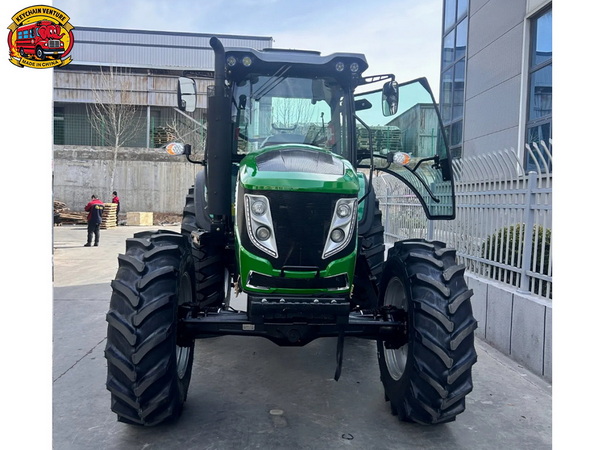
The Ford 3000 tractor was manufactured from 1965 to 1975 by Ford, as part of their 1000 series, replacing the previous 100 series tractors produced between 1955 and 1964. It was built in three main locations: Highland Park in Michigan, USA, Basildon in England, and Antwerp in Belgium. These tractors were built with the goal of providing durable, mid-range horsepower utility tractors suitable for a variety of farming applications.
With about 46.7 horsepower under the hood, the Ford 3000 tractor is versatile enough for light to medium-duty farm tasks such as tilling, hauling, mowing, and loader duties. It has several variants, including the 3100 (all-purpose), 3300 (vineyard), and 3310 (narrow chassis), each specialized for different farming needs.
The Ford 3000 tractor quickly gained popularity because of its reliability and Ford's extensive dealership network, which made servicing and parts availability easier compared to some competitors. This accessibility ensured the tractor was not only powerful but practical for everyday farm operations.
When considering how much a Ford 3000 tractor weighs, the shipping weight is a crucial value. The shipping weight refers to the tractor's weight without any additional ballast or attachments, making it more relevant for transport logistics or initial delivery.
- Shipping Weight: Approximately 3,700 pounds (1,678 kilograms)
This weight is important for anyone needing to transport the tractor or estimate foundation needs for storage because it reflects the basic unladen tractor.
Operating weight refers to the actual weight of the tractor when set up with standard equipment and ready for fieldwork — including the fuel tank filled with fuel, the battery installed, and standard tires mounted.
- Operating Weight: Approximately 4,185 pounds (1,898 kilograms)
This is the most critical figure for farmers and operators, as it reflects the realistic working mass affecting tractor performance, soil compaction, and maneuverability in the field.
For more heavy-duty applications, ballasts or weights can be added to the wheels or front frame of the Ford 3000 tractor to improve traction or stability, especially when using loader attachments or pulling heavier loads.
- Ballasted Weight: Up to 6,940 pounds (3,147 kilograms)
Ballasting is essential for tasks requiring greater traction, such as plowing or operating on rough terrain, where the additional weight prevents wheel slip and improves overall efficiency.
The physical dimensions of a tractor contribute to its weight and usability. The Ford 3000's relatively compact size makes it ideal for a variety of farming environments.
- Wheelbase: Approximately 75.8 inches (192 cm)
- Length: About 127 inches (322 cm) overall
- Width: Around 64 inches (162 cm)
- Height: Approximately 58 inches (147 cm) to the operator's steering wheel and about 83 inches (210 cm) to the exhaust pipe
- Ground Clearance: 13.4 inches (34 cm)
These dimensions ensure the tractor can maneuver through tight spaces like orchard rows, vineyards, and smaller farm yards while maintaining stability and balance, crucial factors for efficient operation.
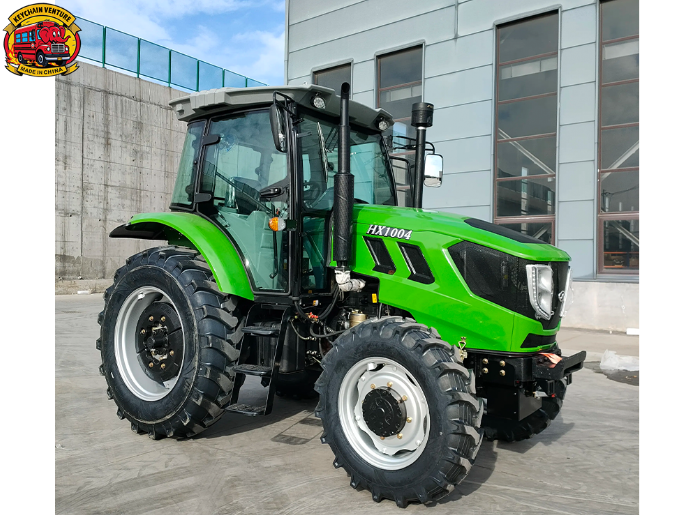
The heart of any tractor is its engine, and the Ford 3000 does not disappoint. Its powertrain is designed for durability and versatility. The tractor is available with two primary engine options:
- Gasoline Engine: A 2.6-liter, 3-cylinder inline engine producing around 46.7 horsepower.
- Diesel Engine: A 2.9-liter, 3-cylinder inline engine, with a similar horsepower output, offering more torque and fuel efficiency for tougher jobs.
The tractor's horsepower allows it to handle various implements, such as plows, cultivators, mowers, and loaders, making the Ford 3000 a practical machine for numerous agricultural tasks.
Additionally, the Ford 3000 features a fuel system designed to optimize engine efficiency and promote reliability during long working hours. This explains part of the tractor's lasting reputation among farm operators worldwide.
An essential aspect of tractor operation is the transmission, and the Ford 3000 provides several options to suit different farming needs:
- 4-speed standard transmission: This basic option allows straightforward gear selection for general farm work.
- Optional 8-speed, 10-speed, and 12-speed transmissions: These offer more gear choices, providing better speed and power adjustments for varying conditions.
- Power Shift Transmission: Available on some models, this transmission allows shifting gears without stopping, enhancing work efficiency.
Most Ford 3000 tractors come as 2-wheel drive (4x2), with optional power steering that significantly aids steering effort, especially when maneuvering in tight places or over rough terrain. The power steering option is highly regarded as a major improvement for comfort and control.
A modern tractor must have a capable hydraulic system, especially when working with attachments and implements. The Ford 3000 tractor features:
- Hydraulic system: Open center type
- Hydraulic fluid capacity: Approximately 23.8 liters (6.3 gallons)
- Hydraulic pressure: About 2500 psi (172.4 bar)
- Pump flow rate: 5 gallons per minute (18.9 liters per minute)
These specifications allow effective operation of the tractor's rear three-point hitch and hydraulic implements, such as loaders or cultivators. The hitch has a lifting capacity of roughly 1,700 pounds (771 kilograms), which is sufficient for many medium-sized farm implements.
The Ford 3000 series includes several variations designed for specific farming applications:
- Ford 3100: The basic all-purpose model suited for a wide range of tasks.
- Ford 3300: Designed for vineyards and specialty crops with a narrower profile for tight row spaces.
- Ford 3310: A narrow chassis version optimized for even more confined operations.
Besides the power options, features such as heavy-duty front axles, different tire sizes, and front weights were also offered to customize the tractor's capabilities according to farm needs.
The tractor's design emphasizes easy maintenance, with readily accessible engine components and a straightforward layout, helping farmers perform routine checks and repairs themselves.
Farmers who have used the Ford 3000 tractor appreciate its durability and simplicity. Many report that the tractor's weight provides excellent traction without being overly heavy, reducing soil compaction and improving field performance. Its size and power balance well for a wide array of tasks from mowing hayfields to hauling trailers or operating loader attachments.
The availability of parts and strong aftermarket support contribute to the tractor's longevity. Enthusiasts also laud the Ford 3000 for its classic styling, which combines functionality with a vintage aesthetic that makes it a prized piece for tractor collectors.
Understanding the tractor's weight is vital for safe transport on trailers or flatbeds, especially when moving between fields or farms. The shipping weight and operating weight definitions assist in planning for the correct equipment to transport and operate the tractor safely.
Owners should consider the ballasted weight if adding front or rear weights for specific jobs. Overballasting can lead to excessive soil compaction and impact fuel economy, while underballasting reduces traction and operational efficiency.
The Ford 3000's size makes it suitable for small to medium-sized farming operations, where a larger tractor would be impractical or too costly.
To summarize, the Ford 3000 tractor weighs approximately 3,700 pounds when shipped, about 4,185 pounds in operating condition, and nearly 7,000 pounds when fully ballasted for heavy-duty jobs. Its moderate size, reliable horsepower, and versatile configurations have made it a lasting success among utility tractors produced from 1965 to 1975.
The balance of weight and power in the Ford 3000 gives it excellent traction without excessive soil compaction, making it suitable for a wide range of agricultural applications. Its hydraulics, transmission options, and optional power steering further enhance its usability. These factors, combined with its accessibility in terms of parts and maintenance, establish the Ford 3000 as a practical and beloved machine for many farming operations.
Whether for restoration, daily farm work, or collecting, the Ford 3000 remains a well-engineered and enduring example of utility tractors, representing Ford's legacy in agricultural machinery.

The Ford 3000 tractor weighs approximately 4,185 pounds (1,898 kilograms) when fully operational with standard equipment.
The maximum ballasted weight can reach up to 6,940 pounds (3,147 kilograms), depending on weights and attachments added.
It comes with either a 2.6L 3-cylinder gasoline engine or a 2.9L 3-cylinder diesel engine, both delivering roughly 46.7 horsepower.
The tractor has a wheelbase of approximately 75.8 inches (192 cm), giving it good stability and maneuverability.
Yes, power steering was an optional feature on the Ford 3000, significantly improving ease of control during operation.


