
Views: 222 Author: Amanda Publish Time: 2025-08-22 Origin: Site


Content Menu
● Understanding Dump Truck Load Capacity
>> Dump Truck Anatomy That Influences Load Capacity
● Types of Dump Trucks and Their Capacities
>> 1. Standard Dump Trucks (Short-Dump or City Dump Trucks)
>> 3. Articulated Dump Trucks (ADT)
● How to Calculate Tons of Dirt in a Dump Truck
>> Step 1: Measure the Volume of the Dump Truck Bed
>> Step 2: Determine the Weight per Unit Volume (Density) of Dirt
>> Step 3: Calculate the Weight of Dirt
● Factors Affecting Load Weight
>> 1. Dirt Type and Moisture Content
● Safety and Legal Considerations
● Best Practices for Loading and Transporting Dirt
>> Use Proper Loading Techniques
>> Choose the Right Dump Truck for Your Job
>> Monitor and Maintain Equipment
● Frequently Asked Questions (FAQ)
>> 1. How much dirt can a standard dump truck hold?
>> 2. What is the difference between wet and dry dirt in load calculations?
>> 3. Can a dump truck carry more than its stated capacity?
>> 4. How do you convert dump truck bed volume into tons?
>> 5. What safety measures should operators follow when loading dump trucks?
When it comes to construction, landscaping, and large-scale earthmoving projects, the dump truck is an indispensable vehicle. Known for its ability to transport heavy loads of loose materials such as sand, gravel, and dirt, the dump truck is the backbone of many industries worldwide. But how many tons of dirt can a dump truck carry? This question is fundamental for project planning, cost estimation, and safety compliance.
In this comprehensive article, we will explore the factors that determine the load capacity of a dump truck, the various types of dump trucks used in the industry, how to calculate the weight of dirt in a dump truck, and best practices for efficient and safe loading. Whether you are a contractor, engineer, or technical writer in the commercial vehicle industry, this guide offers detailed insights backed by technical data.

Dump trucks come in a variety of sizes suited to different operational needs. The load capacity of a dump truck generally refers to the maximum weight of material it can safely carry in its bed. This capacity is often expressed in tons (usually in short tons in the U.S. or metric tonnes elsewhere) and depends heavily on the type of dump truck, its design, and local regulations.
A typical heavy-duty dump truck can handle anywhere from 10 to 30 tons of dirt, but specialized off-highway dump trucks used in mining and large infrastructure projects can carry loads exceeding 100 tons.
The following components are critical to understanding load limits:
- Truck Chassis and Frame: Must support the gross vehicle weight including payload.
- Hydraulic Lifting System: Responsible for raising the bed for unloading; it must handle the loaded bed weight.
- Tires and Axles: Load distribution depends on the number and strength of axles and tires.
- Bed Volume: Determines how much material fits physically, typically measured in cubic yards or cubic meters.
Dump trucks vary significantly depending on their design and application. Here are some common types used in the commercial vehicle sector:
- Load Capacity: 10-15 tons
- Application: Urban construction, residential projects, small-scale hauling
- Characteristics: Smaller size, suitable for roads and city driving
- Load Capacity: 15-25 tons
- Application: Larger construction sites, infrastructure projects
- Characteristics: Larger beds and stronger frames, often with tandem or tridem axles
- Load Capacity: 25-40 tons
- Application: Off-road conditions, mining, and heavy earthmoving
- Characteristics: Flexible joint between cab and bed, excellent maneuverability in rough terrain
- Load Capacity: 100+ tons
- Application: Mining, quarrying, and large-scale earthmoving
- Characteristics: Massive vehicles designed for carrying enormous loads without road speed constraints
Include a side-by-side comparison diagram showcasing different dump truck types with their respective capacities
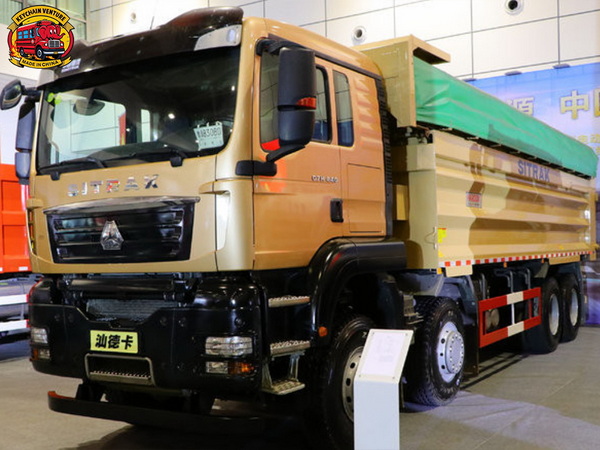
Calculating how many tons of dirt a dump truck can carry involves understanding the volume of the truck bed and the density of the dirt being hauled.
Typically, the dump truck bed volume is measured in cubic yards (yd⊃3;) or cubic meters (m³). The formula for volume is:
Length × Width × Height = Volume
The weight of dirt varies depending on moisture content and soil composition.
| Type of Dirt | Density (lbs/yd⊃3;) | Density (kg/m³) |
|---|---|---|
| Dry Dirt | 2,000 lbs (approx.) | 1,200 kg |
| Wet Dirt | 3,000 lbs (approx.) | 1,800 kg |
| Clay Soil | 2,700 lbs (approx.) | 1,600 kg |
Multiply the volume by the density to get the total weight.
For a dump truck bed with 12 cubic yards capacity carrying wet dirt:
12 yd⊃3; × 3,000 lbs/yd⊃3; = 36,000 lbs = 18 tons (since 1 ton = 2,000 lbs)
- You cannot overload beyond the truck's gross vehicle weight rating (GVWR).
- Overloading compromises safety and violates transportation laws.
Several critical factors influence how much dirt a dump truck can safely carry:
Wet soil is significantly heavier than dry soil, reducing the volume you can carry without exceeding weight limits.
Each dump truck has a maximum payload rating determined by manufacturer specifications.
Federal and local regulations often restrict the gross weight of vehicles on certain roads and bridges.
Exceeding load limits can cause premature tire wear, axle failure, and unsafe handling.
A schematic illustrating the relationship between dirt moisture content and load weight capacity.
Operating a dump truck safely when hauling dirt requires strict adherence to safety standards and legal requirements.
- Do not exceed the manufacturer's maximum payload capacity.
- Ensure the load is evenly distributed to avoid tipping.
- Secure the load to prevent spillage during transit.
- Regularly inspect tires, axles, and suspension for signs of stress or damage.
- Follow local weight limits enforced by transportation authorities.
- Obtain necessary permits for heavy loads if required.
- Observe hours-of-service and driver qualification rules to prevent fatigue-related accidents.
To maximize efficiency and safety when loading dirt into a dump truck, follow these recommendations:
- Avoid overfilling; keep the dirt level with the bedwalls to reduce spillage.
- Load heavier material near the front of the bed to maintain vehicle balance.
- Assess site conditions and road limits when selecting the truck.
- For wet or heavy soil, consider models with higher payload ratings.
- Conduct pre-trip inspections on hydraulic lifts and tires.
- Schedule regular maintenance to ensure equipment longevity.
- Train operators on load limits and proper driving techniques.
- Emphasize safety awareness to minimize accidents.
Knowing how many tons of dirt a dump truck can carry is essential for effective project planning in construction and heavy hauling industries. The capacity depends on factors like dump truck type, bed volume, soil density, and weight restrictions. By calculating the volume and applying accurate soil densities, operators can determine safe and efficient load weights.
Safety, legal compliance, and choosing the right equipment are paramount to optimize productivity and reduce risks. With the right knowledge, a dump truck can be a powerful asset in your fleet, capable of moving dirt efficiently to get the job done.
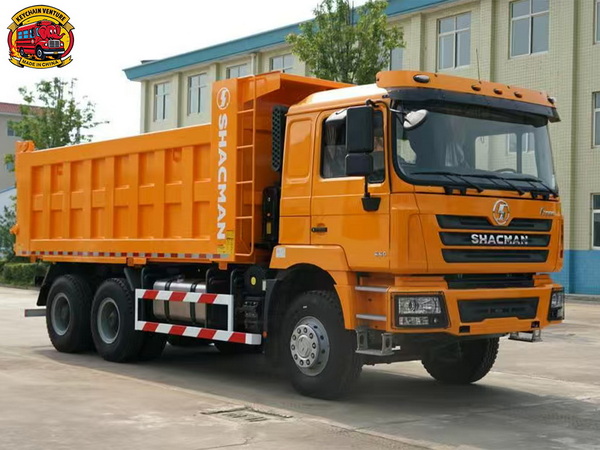
A standard dump truck typically carries 10 to 15 tons of dirt, depending on soil conditions and truck capacity.
Wet dirt is heavier due to moisture content; it can weigh up to 50% more than dry dirt, impacting load weight significantly.
Technically yes, but overloading is unsafe, causes mechanical damage, increases accident risk, and violates regulations.
Calculate the bed volume in cubic yards or meters, then multiply by the soil's density (weight per unit volume).
Operators should ensure even load distribution, secure the load to prevent spillage, adhere to weight limits, and perform equipment inspections before trips.


