
Views: 222 Author: Amanda Publish Time: 2025-08-22 Origin: Site


Content Menu
● Overview of Quad Axle Dump Trucks
● Legal Weight Limits and Regulations Affecting Quad Axle Dump Trucks
>> State Regulations and Variances
● Payload Capacity: How Many Tons Can a Quad Axle Dump Truck Carry?
>> Comparison with Other Dump Truck Configurations
● Advantages of Quad Axle Dump Trucks
● Factors to Consider for Optimal Use
>> Truck Specifications and Configuration
>> Load Types and Material Density
>> Adherence to Bridge and Road Laws
>> Regular Weighing and Maintenance
● FAQ
>> 1. How many tons can a quad axle dump truck legally haul?
>> 2. What distinguishes quad axle from tri-axle dump trucks in hauling capacity?
>> 3. Does the choice of dump truck body material affect payload?
>> 4. What regulations must be considered when loading dump trucks?
>> 5. How can operators maximize payload while staying compliant?
Dump trucks are indispensable in industries such as construction, mining, and heavy hauling. Among the various types of dump trucks, quad axle dump trucks are particularly valued for their substantial hauling capacity and enhanced stability. As a leading commercial vehicle supplier, KeyChain Venture Co., Ltd. proudly offers high-performance solutions for buses and heavy-duty trucks including quad axle dump trucks. This article delves deeply into the question: how many tons can a quad axle dump truck haul? We will explore technical specifications, regulatory considerations, material characteristics, operational best practices, and the advantages of these powerhouse vehicles.
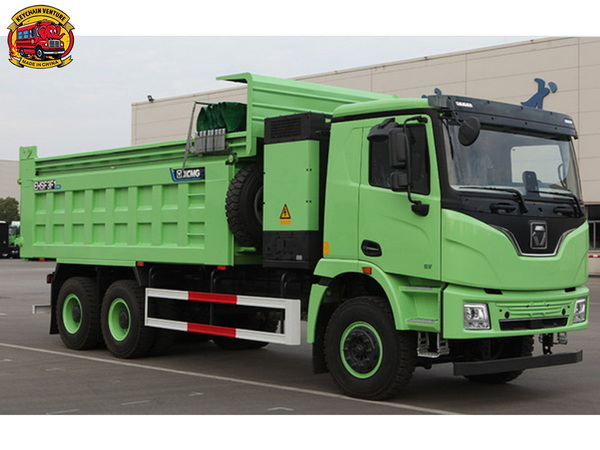
A quad axle dump truck is characterized by its four axles, which typically include two front axles (one steering and one powered) and two rear powered axles. This setup differs from tri-axle or tandem axle trucks by adding an additional axle that spreads the vehicle weight over a greater area, enabling it to safely carry heavier loads.
- Load Distribution: Extra axles help distribute the truck's overall weight across more points of contact with the road, reducing stress on each axle and complying with legal weight limits.
- Stability and Handling: The additional axle improves vehicle stability, especially when carrying heavy or unbalanced loads.
- Heavy-Duty Frame: Quad axle trucks feature robust chassis designs engineered to withstand significantly heavier payloads.
- Advanced Suspension: Sophisticated suspension systems, including air or multi-leaf springs, are common to improve ride quality and reduce damage to the vehicle and cargo.
Understanding the legal framework is crucial because hauling capacity is ultimately limited by government regulations designed to protect infrastructure such as bridges and highways.
The Federal Bridge Formula regulates how weight is distributed across axles to protect bridges from excessive wear or damage. Key points include:
- A single axle is limited to 20,000 lbs.
- A tandem axle group spaced eight feet or less apart is limited to 34,000 lbs.
- The federal interstate highway weight limit for gross vehicle weight (GVW) is 80,000 lbs.
The formula itself assesses maximum allowable weight based on the number of axles and the distance between them, ensuring no individual axle or group carries excessive load.
While federal rules provide a baseline, states may impose their own regulations affecting axle spacing and total weight. For example, in Texas, certain quad axle configurations allow trucks to legally haul up to 24 tons of payload. These regional differences make it essential for operators to understand the specific rules governing their operation area.
Generally, quad axle dump trucks carry payloads between 17 and 24 tons. The exact capacity depends on:
- Truck specifications: Axle ratings, suspension, frame strength, and GVWR.
- Material density: Heavy materials reduce volumetric capacity.
- Body design and material: Lighter materials increase payload capacity.
Payload capacity measured in tons does not correlate directly to volume because different materials have varying densities. For instance:
- Dry mulch weighs about 2-4 tons for 15 cubic yards.
- Wet gravel or crushed stone can weigh approximately 15 tons for 15 cubic yards.
- Asphalt millings usually range between 14 and 16 tons for the same volume.
Since many quad axle dump trucks have bodies with capacities around 19-20 cubic yards, they easily reach or exceed legal payload weights when transporting dense materials.
- Single axle dump trucks typically haul between 6 and 8 tons.
- Tandem axle trucks (10-wheelers) can haul 12 to 16 tons.
- Tri-axle dump trucks usually carry 18 to 22 tons.
- Quad axle dump trucks lead the pack in payload capacity, hauling from 17 up to 24 tons, depending on configuration and law compliance.
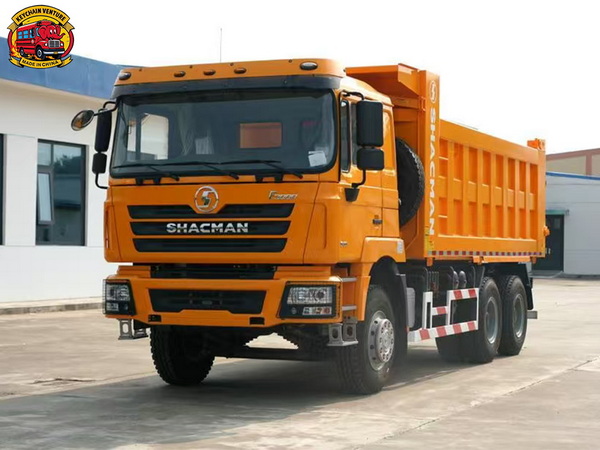
Quad axle dump trucks offer multiple benefits that make them a preferred choice in demanding applications:
- Increased Payload: The extra axle can increase load-carrying capacity by up to 50% relative to tri-axle trucks.
- Enhanced Stability: Four axles improve balancing heavy loads, reducing wind resistance and sway.
- Cost Efficiency: Transporting heavier payloads in one trip reduces fuel and labor costs.
- Infrastructure-Friendly: Distributed axle weight prevents damage to roads and bridges, ensuring regulatory compliance and avoiding fines.
To maximize efficiency and legal compliance while using quad axle dump trucks, operators and fleet managers should focus on these factors:
Choosing a truck with suitable axle ratings, proper suspension, and an advanced frame design ensures durability and legal compliance. Manufacturers increasingly offer options with aluminum dump bodies to reduce vehicle weight and increase payload.
Being aware of the material's density is essential. For example, hauling lighter materials allows for more volume but fewer tons, whereas denser materials fill weight capacity quickly but leave unused volume.
Operators must regularly consult current bridge laws for their routes and confirm that axle weights do not exceed limits. Overloaded trucks risk fines, suspension damage, and infrastructure damage liability.
Using weighing stations or onboard scales ensures compliance with weight limits. Regular inspection and maintenance of axles, tires, and suspension components preserve vehicle life and ensure operational safety.
While quad axle dump trucks bring strong performance benefits, their large size and heavy payloads require special operational considerations:
- Proper Loading: Always load evenly across axles to prevent overloading any one axle.
- Driver Training: Drivers should be trained in handling heavy trucks and aware of legal weight restrictions.
- Route Planning: Select routes that accommodate large trucks and avoid weight-restricted roads or bridges.
- Speed Control: Manage speed carefully, especially when carrying heavy loads, to maintain vehicle control and stability.
Quad axle dump trucks are key assets in the heavy hauling and construction sectors, offering superior payload capacity and stability compared to tri-axle and tandem axle dump trucks. Their ability to legally haul approximately 17 to 24 tons, depending on configuration and regional regulations, makes them versatile for hauling dense materials like gravel, asphalt, and demolition debris. Complying with federal bridge laws and optimizing vehicle specifications—such as body material and axle spacing—are critical for maximizing payload capacity safely and legally. Operators who leverage quad axle dump trucks effectively can achieve diminished operational costs, better route efficiency, and increased project productivity while ensuring infrastructure preservation.

Generally, quad axle dump trucks can haul between 17 and 24 tons depending on the truck's specifications, axle spacing, and compliance with federal and state bridge weight laws.
Quad axle dump trucks have an additional axle which distributes weight more evenly, enabling them to carry 25-50% more payload than tri-axle trucks under legal limits.
Yes. Lighter materials such as aluminum reduce the truck's tare weight, allowing for increased legal payload capacity—often by 2 to 3 tons compared to steel bodies.
Federal Bridge Laws regulate maximum allowable axle weights and total gross vehicle weight to protect infrastructure, with a general limit of 20,000 lbs per single axle, 34,000 lbs for tandem axles, and 80,000 lbs GVWR on interstates.
Operators should ensure proper axle spacing, use lighter body materials, regularly weigh trucks, evenly distribute loads, and stay current with local and federal transportation regulations.
[1](https://www.customtruck.com/rental/vocational-trucks/dump-trucks/quad-axle-19-cu-yd-rear-dump-truck/751-0700)
[2](https://www.youtube.com/watch?v=J2RahKFPRyE)
[3](https://www.emarketplace.state.pa.us/filedownload.aspx?file=6100023229%2Fsolicitation_5.pdf)
[4](https://www.sinoheavyvehicles.com/e_productshow/?572-4-axle-45-cubic-meters-dump%C2%A0trailer%C2%A0-572.html)
[5](https://theupfitinsider.com/p/how-many-tons-can-a-dump-truck-haul)
[6](https://www.browncountywi.gov/i/f/files/Public-Works/%2317-21_Quad%20Axle.pdf)
[7](https://www.coopskw.com/tri-axle-dump-truck-vs-quad-axle-dump-trucks-advantages-disadvantages/)
[8](https://www.keystonetrucks.com/blog/08/2019/the-innovation-of-tandem-dump-trucks/)
[9](https://gravelbc.ca/wp-content/uploads/2022/04/truck-weights-2022-1.pdf)
[10](https://petratruck.com/2024/08/13/the-ultimate-guide-to-quad-axle-dump-trucks-features-and-benefits/)
[11](https://www.coopskw.com/learn-about-dump-truck-capacity/)
[12](https://constructionmentor.net/standard-on-road-dump-trucks/)
[13](https://www.denenapoints.com/number-axles-affect-texas-dump-trucks-weight-capacity/)
[14](https://www.mining-dumptruck.com/sale-11142857-urban-intelligent-residue-quad-axle-dump-truck-12-wheeler-dump-truck-88km-h.html)
[15](https://www.superdumps.com/videos/super_dump_vs_quad_axle_dump_truck/)
[16](https://www.co.lincoln.wi.us/media/846)
[17](https://www.grimmsautomovation.com/blog/how-many-tons-can-a-dump-truck-haul-capacity-and-limitations-explained/)
[18](https://twistednail.com/post/dump-truck-guide/)
[19](https://www.dumptrucks.com/news/international-quad-axle-dump-truck-warren-wxl-21-5260/)
[20](https://www.superdumps.com/bridge_laws/)


