
Views: 222 Author: Amanda Publish Time: 2025-10-19 Origin: Site


Content Menu
● Typical Semi Trailer Height Off the Ground
● Factors Affecting Semi Trailer Height
● Common Types of Semi Trailers and Their Heights
● Importance of Knowing Semi Trailer Height
● Measuring Semi Trailer Height
● Additional Technical Dimensions of Semi Trailers
● Innovations and Trends Influencing Semi Trailer Heights
● Summary
● FAQ
>> 1. What is the standard floor height for most semi trailers?
>> 2. How tall is a semi trailer including its roof?
>> 3. Why do lowboy trailers have much lower heights?
>> 4. Can trailer height be adjusted during transport?
>> 5. What happens if a semi trailer exceeds height limits?
Semi trailers are integral to the global transportation network, facilitating the movement of goods over long distances. One of the key aspects of semi trailers that affects their functionality, safety, and regulatory compliance is their height off the ground. This article provides a thorough exploration of semi trailer heights, the factors influencing these dimensions, variations by trailer type, and practical considerations in usage. Whether you work in logistics, operate heavy vehicles, or are simply curious, this guide offers comprehensive insights into how high a semi trailer typically sits off the ground.
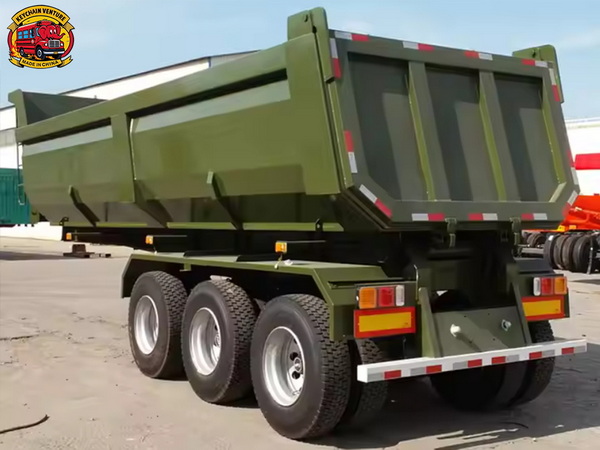
A semi trailer is a type of trailer designed without a front axle, intended to be connected to a tractor or truck. It forms the rear portion of a semi-truck combination, carrying the cargo. Semi trailers come in various configurations tailored to specific transportation needs, including dry vans, flatbeds, refrigerated units, and specialized lowboy types for heavy machinery.
The height of a semi trailer off the ground is commonly measured from the road surface to the trailer floor. Most standard semi trailers have a floor height ranging between 48 to 54 inches (4 to 4.5 feet) from the ground. This floor height directly influences loading dock compatibility and road clearance.
In terms of overall trailer height including the roof, semi trailers usually stand about 13.5 feet (4.11 meters) tall. This dimension is especially critical for ensuring clearance under bridges, tunnels, and overhead obstacles during transit.
Many factors can affect the height of a semi trailer off the ground:
- Trailer Design: Different types of trailers have varying floor heights. Flatbeds tend to have higher floors compared to lowboy trailers, which sit much closer to the ground.
- Suspension System: Trailers with air-ride suspension can adjust their height to improve ride quality or adapt to loading conditions, while those with traditional spring suspension have fixed heights.
- Load Weight: The height may vary depending on if the trailer is loaded or empty, as suspension compression lowers the trailer slightly when carrying cargo.
- Axle Configuration: The number and layout of axles influence weight distribution and ride height.
- Regulatory Limits: Legal height limits, often capped around 13.5 to 14 feet in many countries, affect trailer design to ensure safe road use.
Semi trailers vary widely by their intended function, reflected in their ground clearance and height specifications:
| Trailer Type | Floor Height (inches) | Typical Usage |
| Dry Van | 48 - 54 | Standard enclosed trailer for general freight |
| Refrigerated Trailer | 48 - 54 | Temperature-controlled perishable goods transport |
| Flatbed | 48 - 54 | Transporting oversized or irregular-shaped loads |
| Lowboy / Lowbed | 18 - 24 | Carrying heavy, tall, or oversized machinery |
| Step Deck | 24 - 30 | Hauling taller loads with lowered middle decks |
Lowboy trailers are especially notable for their significantly lower floor height, allowing the transport of tall equipment while staying within legal height restrictions.
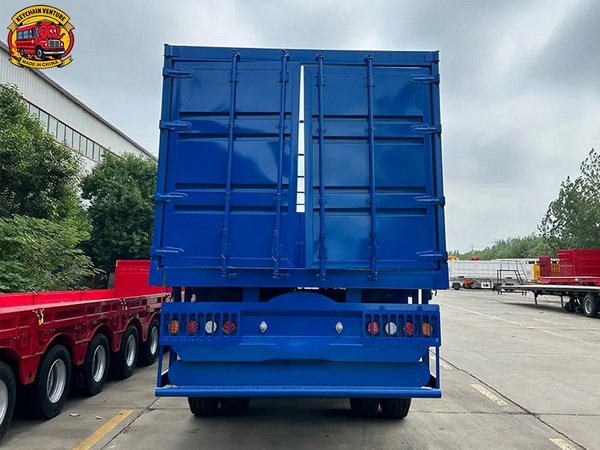
Understanding the height of semi trailers off the ground holds practical importance:
- Safety: Ensures trailers can pass safely under bridges, tunnels, and overhead cables without collisions.
- Regulatory Compliance: Maintains adherence to maximum height limits imposed by transport authorities, avoiding fines and operational restrictions.
- Efficient Loading: Helps align trailer floor heights with loading docks and ramps, facilitating safer and faster loading and unloading.
- Route Planning: Prevents unexpected delays caused by obstacles that have insufficient clearance for tall trailers.
Semi trailer height measurements are generally taken on a flat, level surface from the ground to the trailer floor or roof, using tape measures or laser measurement tools. Accurate measurement is critical for ensuring compatibility with infrastructure and compliance with transportation regulations.
Many trailer manufacturers provide detailed specifications on height for various trailer models for ease of reference.
Beyond height, semi trailers have other vital measurements important for logistics planning:
- Length: Standard trailers range from 40 to 53 feet in length, with specialized ones extending longer. For example, dry vans and flatbeds typically measure 48 to 53 feet.
- Width: The maximum trailer width is usually standardized at 102 inches (8.5 feet) to comply with road regulations.
- Loading Capacity: Payload limits vary widely, often between 40,000 to 80,000 pounds depending on trailer type and axle configuration.
The height of the door opening in dry vans and refrigerated trailers is also an important dimension, commonly around 9 feet (108 inches), allowing for efficient loading of palletized goods.
Modern advancements in semi trailer designs aim to optimize height and overall dimensions:
- Adjustable Air Suspensions: Enable height adjustments to ease loading or improve travel stability.
- Lightweight Materials: Use of aluminum and composite materials reduces the trailer weight, allowing design flexibility and potentially lower floor heights.
- Aerodynamic Enhancements: Modifications such as rounded roofs and side skirts improve fuel efficiency while maintaining height limits.
These innovations contribute to safer, more efficient trailer operations while conforming to height regulations.
The height of a semi trailer off the ground is a key specification ranging typically between 48 to 54 inches from the road surface to the trailer floor, with an overall height around 13.5 feet including the roof. This measurement varies depending on trailer type, suspension system, load, and regional regulations. Understanding these heights is essential for safety, regulatory compliance, effective loading, and route planning in trucking logistics.
Most semi trailers have a floor height between 48 and 54 inches off the ground, which suits standard loading docks and road clearance requirements.
The total height of semi trailers is usually about 13.5 feet, aligning with legal height limits in many countries to allow safe passage under infrastructure.
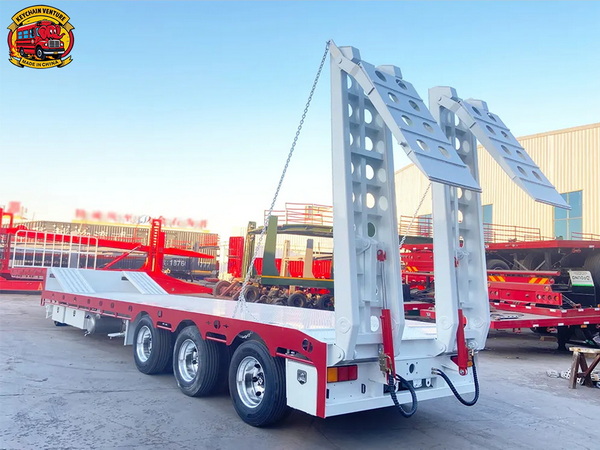
Lowboy trailers have floor heights around 18 to 24 inches to accommodate tall machinery and heavy equipment that exceed usual clearance heights.
Some trailers with air suspension systems allow slight height adjustments to optimize ride comfort or accommodate loading and unloading needs.
Exceeding height limits can cause damage to the vehicle and infrastructure, result in heavy fines, and require route diversions or permits for oversized loads.
[1](https://schneiderjobs.com/blog/semi-truck-trailer-dimensions)
[2](https://www.goodloading.com/en/blog/truck-transport/dimensions-and-types-of-semi-trailers/)
[3](https://streamlogistics.com/trailer-dimensions/)
[4](https://www.hyjjvehicle.com/Semi-Trailer-Truck-DImensions.html)
[5](https://www.bws.net/toolbox/trailer-specifications)
[6](https://www.alberta.ca/system/files/custom_downloaded_images/trans-tractor-semi-trailer.pdf)
[7](https://www.shacman-auto.com/lowbed-semi-trailer/low-bed-semi-trailer.html)
[8](https://www.pandamech.com/product/3-axle-40-foot-flatbed-semi-trailer/)
[9](https://thacotrailers.com/en/how-tall-is-a-semi-trailer/)
[10](https://www.sinoheavyvehicles.com/e_productshow/?565-3-axle-50t-Gooseneck-Heavy-Duty--Lowbed-Truck-Low-Bed-Semi-Trailer-565.html)


