
Views: 222 Author: Amanda Publish Time: 2025-10-09 Origin: Site


Content Menu
● Understanding CDL: What Is It?
>> Types of CDL
● Do You Need a CDL to Drive a Dump Truck?
● Factors Influencing CDL Requirements for Dump Truck Operators
● Why Is a CDL Important for Dump Truck Drivers?
● How to Get a CDL to Drive a Dump Truck
● Additional Endorsements for Specific Dump Truck Operations
● Safety Tips for Operating Dump Trucks
● Employment Opportunities in Dump Truck Driving
● Common Misconceptions About Dump Truck Driving and CDL
● FAQ
>> 1. Do I need a CDL to drive a dump truck under 26,000 pounds?
>> 2. What class CDL should I obtain for driving most large dump trucks?
>> 3. Can I drive a dump truck with just a regular driver's license?
>> 4. What endorsements might I need as a dump truck driver?
>> 5. How can I prepare for the CDL tests to drive dump trucks?
Driving a dump truck is a specialized skill that many people consider when entering the commercial vehicle driving industry. If you've ever wondered, "Do I need a CDL to drive a dump truck?" this article will provide a comprehensive overview to help you understand the requirements, regulations, and nuances around operating these heavy vehicles. Whether you are an aspiring driver or just curious about dump trucks, this guide will serve as your go-to resource.
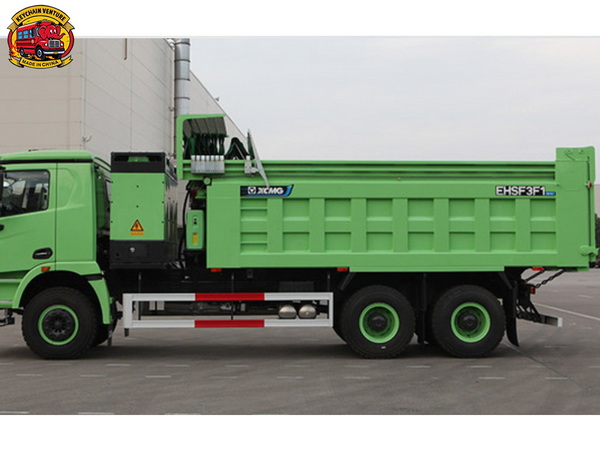
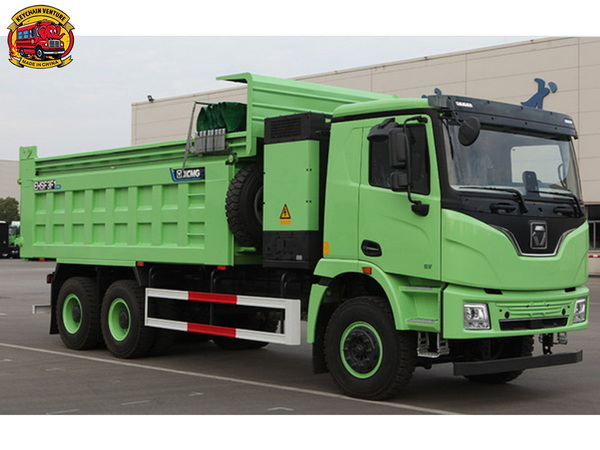
A dump truck is a heavy-duty vehicle designed to transport and dump materials such as sand, gravel, construction debris, or dirt. Unlike ordinary trucks, dump trucks have a hydraulic bed that can be lifted to unload the cargo efficiently. Dump trucks vary in size, weight, and configuration, often categorized as small versatile models or large heavy trucks for industrial use. They are essential in construction, mining, road building, and waste management industries due to their ability to carry heavy loads and deposit materials quickly.
The dump truck industry features various types of vehicles designed for terrain, material type, and load requirements:
- Standard Dump Trucks: These have a hinged bed at the rear which tilts to dump materials. They are common on highways and construction sites.
- Articulated Dump Trucks: These feature a pivot joint between the cab and the bed, allowing for greater maneuverability on rough terrain, such as quarries or mining sites.
- Transfer Dump Trucks: Typically consist of a semi-truck pulling a separate trailer, which allows greater cargo capacity.
- Side Dump Trucks: These unload cargo by tipping to the side rather than the back, useful for quick deposits on uneven ground.
- Superdump Trucks: Equipped with additional axles and special suspensions to carry heavier loads while complying with road weight regulations.
Understanding which dump truck you will be operating is crucial, as this determines the legal requirements for licensing and driving.
A Commercial Driver's License, or CDL, is a specialized license required for drivers operating large or heavy commercial vehicles. The CDL ensures drivers possess the skills and knowledge necessary to operate these vehicles safely and comply with federal and state regulations.
- Class A CDL: Allows the operation of vehicles or vehicle combinations with a Gross Combination Weight Rating (GCWR) of 26,001 pounds or more. This includes tractor-trailers and any towed unit over 10,000 pounds.
- Class B CDL: Required for single vehicles with a Gross Vehicle Weight Rating (GVWR) of 26,001 pounds or more, or towing a trailer no heavier than 10,000 pounds. Most large dump trucks fall under this category.
- Class C CDL: Needed for vehicles designed to transport fewer than 16 passengers or hazardous materials that do not meet the Class A or B definitions.
Each class involves passing written knowledge and practical skills tests tailored to the vehicle operated.
Yes, but the requirement depends heavily on the dump truck's size and weight:
- Dump Trucks Under 26,001 Pounds GVWR: Typically, no CDL is needed for smaller dump trucks used in landscaping, small construction jobs, or municipalities. This means individuals with a standard driver's license can operate these vehicles.
- Dump Trucks 26,001 Pounds GVWR or More: Most full-sized, heavy-duty dump trucks require at least a Class B CDL. These vehicles are commonly used in large construction projects, mining, road building, and other industrial applications.
- Towing Trailers Over 10,000 Pounds: If the dump truck is pulling a heavy trailer, a Class A CDL is necessary due to the combined vehicle weight and complexity.
Failing to hold the proper CDL when required can result in heavy fines, penalties, and job disqualification.
Besides weight, several other factors influence CDL necessity:
- Operating Environment: Dump truck drivers operating intrastate (within a state) may have different requirements than interstate commercial drivers.
- Vehicle Configuration: A dump truck fitted with air brakes will require the driver to have a specific air brake endorsement.
- Cargo Type: Hauling hazardous materials (HazMat) with dump trucks necessitates additional endorsements.
- Employer Policies: Many companies require a CDL regardless of weight for insurance and liability reasons.
The use of a CDL is about more than just legal compliance. It guarantees safety, professionalism, and competence in handling such large vehicles. Drivers trained and licensed through the CDL process typically:
- Have thorough knowledge of vehicle operation and safety standards.
- Pass rigorous physical, written, and practical testing to ensure suitability.
- Understand complex driving environments including loading and unloading safely.
- Have better job prospects and can command higher wages.
The CDL is a gateway for a professional career in dump truck driving, and its importance cannot be overstated.
Becoming a licensed dump truck driver involves several steps:
1. Meet Minimum Age Requirements
Most states require CDL applicants to be at least 18 years old for intrastate driving and 21 for interstate driving.
2. Obtain a Commercial Learner's Permit (CLP)
Before the full CDL, applicants must pass a knowledge test to receive a learner's permit for practice under supervision.
3. Pass a Medical Examination
A valid medical certificate ensures the driver is physically capable of handling commercial vehicles.
4. Pass Written Knowledge Tests
Tests cover general commercial driving, air brakes, and any endorsements needed.
5. Pass Skills and Road Tests
These include a pre-trip inspection, basic vehicle control test, and an on-road driving test.
6. Submit Documentation and Fees
Proof of residence, identification, and fees are required to finalize licensing.
Many states also offer training programs specifically tailored for dump truck operation, which greatly improve chances of passing the CDL tests.
Some dump truck drivers require endorsements beyond the basic CDL, including:
- Hazardous Materials (HazMat) Endorsement: For drivers transporting hazardous or flammable materials.
- Tanker Endorsement: Required if the dump truck is transporting liquids, such as liquid asphalt or chemical sludge.
- Double/Triple Trailer Endorsement: Needed if operating dump trucks towing multiple trailers.
- Passenger Endorsements: Rare, but necessary for dump trucks specially converted to carry passengers.
Pursuing these endorsements involves further testing and federal background checks.
Driving a dump truck requires vigilance and adherence to safety protocols:
- Pre-Trip Inspections: Check brakes, tires, lights, hydraulics, and load security before every trip.
- Load Limits: Overloading the dump truck can lead to accidents and legal violations.
- Use of Seat Belts: Always buckle up.
- Dumping Procedures: Make sure the dump area is clear, park on stable ground, and raise the bed slowly.
- Weather Considerations: Dump trucks are sensitive to slippery, icy, or muddy conditions which affect stopping and maneuverability.
- Avoid Distractions: Stay focused on the road and job.
Following safety guidelines helps prevent costly accidents and injuries.
Dump truck drivers find jobs across numerous industries:
- Construction: Moving earth, gravel, and construction debris.
- Mining and Quarrying: Transport of raw materials within mining sites.
- Municipal Services: Snow removal, road repairs, and waste hauling.
- Landscaping and Agriculture: Transporting soil, compost, and bulk materials.
- Recycling and Waste Management: Hauling refuse and recycling loads.
Holding a CDL and relevant endorsements expands employment options and leads to better salaries.
- Myth: All dump truck drivers need a CDL regardless of vehicle weight.
Fact: Only dump trucks weighing over 26,000 pounds GVWR require a CDL.
- Myth: Dump trucks are easy to operate and don't require special skills.
Fact: Driving a dump truck requires training due to the vehicle's size, weight, and complex cargo handling.
- Myth: Obtaining a CDL is a quick and simple process.
Fact: It requires preparation, knowledge, skills, and compliance with medical and legal standards.
In summary, whether you need a CDL to drive a dump truck depends primarily on the weight and configuration of the vehicle. Smaller dump trucks under the 26,001-pound GVWR usually require only a standard driver's license, whereas larger, heavier dump trucks need a Class B CDL, and those towing heavy trailers may require a Class A CDL. Obtaining the appropriate CDL is crucial for legal compliance, safety, and professional opportunity. Taking the time to understand licensing requirements, endorsements, and safe driving practices ensures that dump truck drivers are well-prepared to operate these essential commercial vehicles effectively.

No, a CDL is typically not required for dump trucks under 26,001 pounds GVWR, but a valid driver's license is necessary.
You generally need a Class B CDL to operate dump trucks with a GVWR of 26,001 pounds or more.
Only if the dump truck is below the CDL-required weight limit; otherwise, a CDL is legally necessary.
Hazardous Materials (HazMat), Tanker, or Air Brakes endorsements may be required depending on vehicle configuration and cargo.
Study commercial driving manuals, take practice tests, attend training courses, and gain hands-on experience using a Commercial Learner's Permit (CLP).


