


Content Menu
>> Capital Lease (Finance Lease)
● Costs Involved in Leasing a Dump Truck
● Key Considerations Before Leasing
● Benefits for Domestic and International Clients
● Popular Dump Truck Models Available for Lease
● How to Apply for a Dump Truck Lease
● Advantages of Leasing Over Buying a Dump Truck
● Environmental and Operational Considerations
● Understanding Lease Maintenance Packages
● Insurance and Liability in Dump Truck Leasing
● Practical Tips for Maximizing Lease Efficiency
● Frequently Asked Questions (FAQ)
>> 1. What qualifications do I need to lease a dump truck?
>> 2. Can I customize leased dump trucks?
>> 3. What happens if my dump truck breaks down?
>> 4. Is leasing a dump truck tax-deductible?
>> 5. Can a lease be extended or converted to purchase?
Leasing a dump truck has become an increasingly popular option for businesses and individuals who require heavy-duty equipment but want to avoid the high upfront costs of purchasing these vehicles outright. Dump trucks play a vital role in construction, landscaping, mining, and waste management. This article explores everything you need to know about leasing a dump truck, including benefits, types of leases, costs, and important considerations to help you make an informed decision for your business.
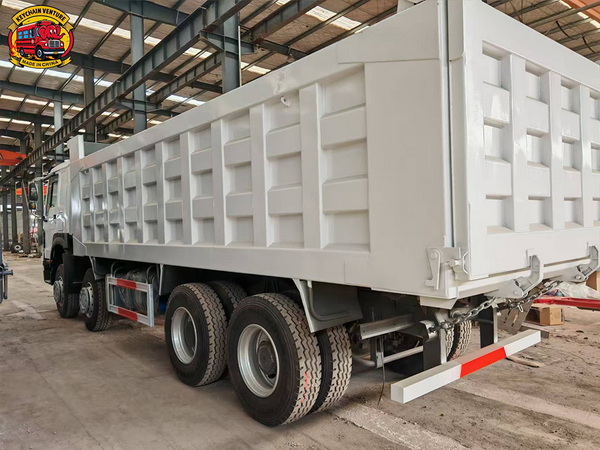
A dump truck is a heavy-duty vehicle designed to transport loose materials such as gravel, sand, demolition waste, and more. It features an open-box bed with hydraulic rams that allow the bed to lift and dump the contents behind the vehicle.
Dump trucks come in many types and sizes, including:
- Standard dump trucks with a hydraulic lift bed
- Transfer dump trucks
- Side dump trucks
- Articulated dump trucks for rough terrain
Regardless of type, dump trucks are essential tools in industries requiring bulk material movement.
Leasing a dump truck offers several advantages over buying:
- Lower upfront costs: Leasing requires lower initial capital investment, freeing up cash flow.
- Access to new equipment: Lease contracts often provide newer, more reliable models.
- Maintenance and repairs: Some leases include service agreements, reducing downtime and unexpected repair costs.
- Flexibility: Leases can range from short-term to long-term, allowing users to adapt to project needs.
- Tax benefits: Leasing payments may be tax-deductible as business expenses.
For many companies, leasing a dump truck allows operational efficiency without the burden of ownership.
When considering leasing options, it's important to understand the two main lease structures:
- Shorter term, typically 1 to 3 years
- The leasing company retains ownership
- Lower monthly payments
- Maintenance and repairs often included
- Best for companies needing flexibility or short-term use
- Longer-term lease, often 3 to 5 years or more
- Lessee assumes some responsibilities, such as maintenance
- Lease payments can lead to ownership after term completion
- Suitable for businesses planning long-term asset use
Leasing costs can vary widely depending on:
- Truck size and specifications
- Lease type and term length
- Mileage or usage limits
- Maintenance coverage
Typically, monthly lease payments range from $2,000 to $6,000, depending on truck capacity, model, and lease agreements. Keep in mind there may be additional fees including insurance, registration, and repairs outside warranty or lease terms.
Before leasing a dump truck, keep these points in mind:
- Assess your project duration and vehicle needs: A short-term project might benefit from an operating lease, while ongoing operations may need a capital lease.
- Determine the load and terrain requirements: Ensure the lease truck meets your weight and terrain demands.
- Review warranty and maintenance coverage: Know which services are included and what maintenance your company must handle.
- Check for mileage restrictions or usage limits: Exceeding limits can incur fees.
- Understand the end-of-lease options: Clarify if you can buy the truck, renew the lease, or return the equipment.

As a leading commercial vehicle supplier based in China, KeyChain Venture Co., Ltd. provides competitive leasing solutions for both domestic and international customers. Leasing dump trucks through a reputable supplier offers:
- Reliable, high-performance vehicles sourced from trusted manufacturers
- Local servicing and parts availability for hassle-free operations
- Flexible lease plans tailored to various industry needs worldwide
This approach ensures clients receive the best dump truck solutions without the complexity of direct ownership.
There are numerous dump truck models available for lease that cater to different operational needs and industries. Leasing companies often provide a wide selection of models from industry-leading manufacturers, suitable for various applications:
- Caterpillar CT660: Known for its versatility, this model has a capacity of 10-20 tons, making it a strong contender in heavy-duty construction.
- Volvo VHD64F: With capacities over 25 tons, this dump truck is ideal for mining and long haul applications.
- Mack Granite: Widely used in city construction and waste hauling due to its robust build and reliable performance.
Selecting the right model depends on project requirements, including load size, terrain, and duration.
Applying for a dump truck lease can be streamlined when working with experienced leasing providers. The process generally involves:
1. Consultation: Begin by discussing your project requirements and lease preferences with a leasing agent.
2. Documentation: Prepare and submit key documents such as business licenses, financial statements, credit reports, and insurance certificates.
3. Lease Agreement: Carefully review the terms and conditions, paying close attention to payment schedules, mileage caps, and maintenance responsibilities.
4. Vehicle Delivery: Once finalized, the dump truck will be delivered or made available for pickup, with orientation and support provided.
5. Operation & Support: Access technical support and maintenance services, whether included in your lease or offered as add-ons.
Leasing provides several operational and financial advantages beyond just reducing upfront costs:
- Upgrade flexibility: Leasing enables companies to upgrade their equipment more frequently, ensuring access to the latest technology and fuel efficiency.
- Preservation of capital: By avoiding large purchase costs, companies can allocate funds to other critical areas such as payroll, materials, and project development.
- Reduced risk of depreciation: Leasing transfers the risk of depreciation to the leasing company, protecting lessees from loss in vehicle value.
- Simplified asset management: Leasing companies often provide complete servicing, easing the workload for in-house fleet managers.
- Improved cash flow management: Fixed monthly lease payments facilitate better budgeting and financial forecasting.
In today's business climate, environmental impact and operational efficiency are crucial factors when selecting dump trucks for lease.
- Modern dump trucks often feature advanced emission control technologies to meet stringent environmental regulations.
- Many leasing suppliers offer models with improved fuel efficiency, helping reduce greenhouse gas emissions and operating costs.
- Selecting a dump truck with an optimized capacity and fuel consumption profile can significantly benefit overall project profitability.
- Some companies provide eco-friendly options, including electric or hybrid dump trucks, though availability may vary.
Leasing allows easy access to these advanced trucks without long-term ownership commitments.
Maintenance packages are a key aspect of dump truck leases and can vary widely:
- Full maintenance: Covers scheduled servicing, oil changes, tire replacement, and major repairs.
- Wear-and-tear only: Covers damage due to regular use, excluding accident-related repairs.
- No maintenance: All repairs and servicing are the responsibility of the lessee.
Carefully review maintenance clauses to avoid unexpected expenses and ensure your dump truck remains roadworthy throughout the lease term.
Insurance requirements are mandatory when leasing dump trucks. Typically, lessees must maintain comprehensive insurance covering liability, collision, and cargo.
- Verify with your leasing provider the minimum insurance limits required.
- Some leases include insurance as part of the package; others require independent policies.
- Understand your liability exposure, particularly for accidents and damage.
- Comply with local and national laws for commercial vehicle insurance.
Ensuring proper insurance protects your company and meets leasing contract obligations.
To get the best value from your dump truck lease, consider these strategies:
- Plan projects carefully to align lease duration with usage, minimizing idle time.
- Train drivers on fuel-efficient and safe driving techniques to reduce wear and tear.
- Regularly monitor vehicle condition and promptly report issues to leasing providers.
- Maintain detailed usage logs to avoid penalties related to mileage or wear.
- Engage in open communication with leasing agents for contract adjustments if project needs change.
These steps can improve operational efficiency and reduce total leasing costs.
Leasing a dump truck is a smart, flexible approach for companies requiring reliable, high-performance heavy vehicles without committing to ownership costs. Whether you need a short-term solution for a construction project or a long-term asset replacement, leasing provides access to the newest models with maintenance support and financial flexibility.
By partnering with trusted suppliers like KeyChain Venture Co., Ltd., you can benefit from advanced dump trucks perfectly suited to diverse operational environments — both domestically and internationally. Leasing allows your business to adapt quickly, preserve capital, and maintain a competitive edge in large-scale material handling projects.
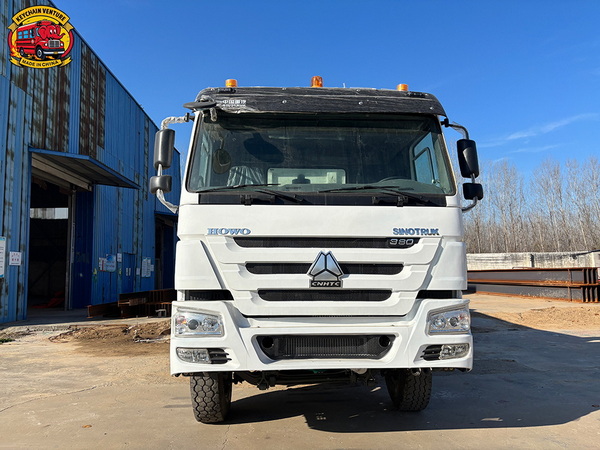
Most leasing companies require a valid driver's license, proof of business operation, credit check, and relevant insurance coverage. Specific criteria vary by leasing provider.
Customization options depend on the lease agreement. Some lessors allow modifications within limits, while others require trucks returned in original condition.
Check if your lease includes maintenance and roadside assistance. If not, repairs are typically your responsibility, though some companies offer optional service packages.
Lease payments are often considered operating expenses and may be tax-deductible. Consult your accountant to understand applicable tax benefits.
Many leases offer options to extend or buy the truck at lease-end. Terms depend on your lease contract and leasing company policies.


