
Views: 222 Author: Amanda Publish Time: 2025-11-18 Origin: Site


Content Menu
● What Is Apple Pay and How Does It Work for Transit?
● Apple Pay on Buses in China Mainland
● Global Adoption of Apple Pay in Public Transit
● Benefits of Using Apple Pay for Bus Transit
● How Apple Pay Integrates with Used Buses and Commercial Fleets
● Setting Up Apple Pay for Bus Rides
● Future Trends and Innovations
● FAQ
>> 1. Can I use Apple Pay for bus rides everywhere?
>> 2. Do I need to unlock my phone every time I pay?
>> 3. Can used buses support Apple Pay payment systems?
>> 4. Is Apple Pay secure for transit payments?
>> 5. What happens if my device battery dies during transit?
In recent years, public transportation has been undergoing rapid digital transformation. One of the most significant advancements is the integration of mobile payment technologies like Apple Pay. This system allows passengers to enjoy a quicker, more secure, and contactless payment experience for bus rides and other transit services. As a leading commercial vehicle supplier, KeyChain Venture Co., Ltd. recognizes the importance of such technologies in modernizing bus fleets, including used buses, to provide optimal solutions for clients globally. In this comprehensive article, we explore the applicability of Apple Pay for bus travel worldwide, the benefits it brings, and practical details for users and operators alike.
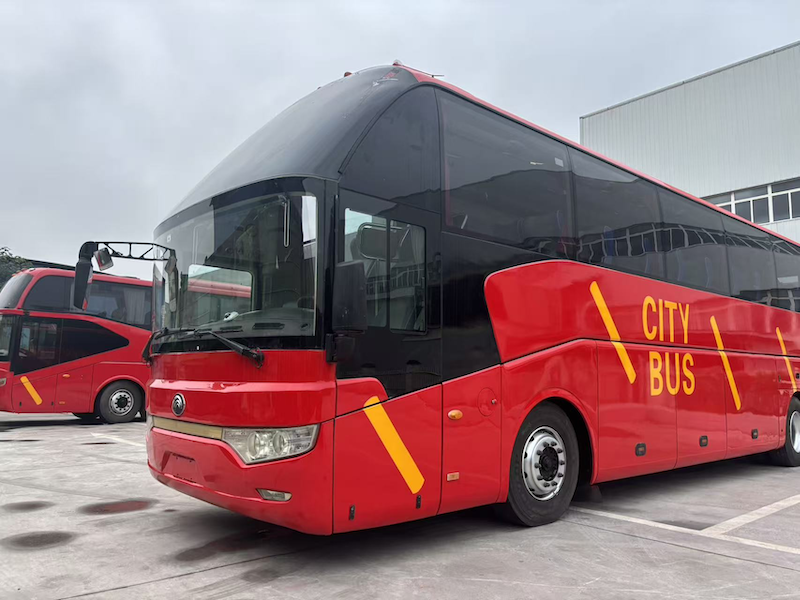
Apple Pay is a mobile payment and digital wallet service offered by Apple. It enables iPhone and Apple Watch users to store credit, debit, and transit cards securely to make contactless payments. For transit, many cities support Apple Pay through Express Transit mode. This allows passengers to board buses by simply holding their device near a contactless reader without unlocking their phone or authenticating each time. The transaction is fast, secure, and seamless.
Using Apple Pay for bus fare payment requires:
- A compatible Apple device (iPhone 6s or newer, Apple Watch Series 3 or newer).
- A supported card issued by participating banks.
- Setting up the card in the Apple Wallet and enabling Express Transit mode where available.
Once set up, commuters can tap and ride, speeding up boarding times and eliminating the need to carry physical tickets or cash.[11][12]
China's public transportation system has embraced digital payments extensively, including Apple Pay with transit cards integrated into the Apple Wallet. Riders in China can add domestic transit cards and use UnionPay credit or debit cards to pay seamlessly on buses and metros. This setup also applies to used buses operated by commercial suppliers such as KeyChain Venture Co., Ltd., which equip many city fleets with advanced payment systems.
The integration supports both new and used buses, facilitating contactless fare collection across vast urban transit networks. This modernization helps transit authorities maintain efficiency and passenger satisfaction while leveraging cost-effective used buses within their fleets.[12][13]
Apple Pay is widely accepted across many international cities and countries, including urban centers in the United States, Japan, South Korea, Europe, Australia, Hong Kong, and Singapore. Prominent transit systems in New York City, Boston, Tokyo, Vancouver, and Seoul facilitate Apple Pay payments for buses, subways, and trains, often through Express Transit mode.
Different regions implement payment acceptance in varying ways:
- Closed-loop systems: Transit-specific cards stored virtually in Apple Wallet for payment.
- Open-loop systems: Regular credit/debit cards and mobile wallets directly accepted at fare gates.
Used buses in municipal fleets benefit from such systems by being retrofitted with contactless readers that accommodate Apple Pay and other digital wallets. This approach enhances passenger mobility and reduces operational bottlenecks, especially during peak travel times.[1][2]
Using Apple Pay for bus travel presents numerous advantages for passengers and operators:
- Convenience: No need for physical cards or cash; riders pay using their existing Apple devices.
- Speed: Express Transit mode allows boarding without manual authentication, reducing dwell time at stops.
- Security: Payments utilize advanced encryption and tokenization, offering safer transactions compared to traditional cards.
- Integration: Apple Pay supports multiple transit cards and payment networks internationally, ensuring broad usability.
- Real-Time Management: Users can monitor fare usage and reload transit cards on the go via the Wallet app.
- Environmentally Friendly: Reduces paper ticket usage, supporting sustainability efforts.
For public transit operators, including those managing used bus fleets from suppliers like KeyChain Venture, these benefits translate to streamlined fare collection, improved passenger flow, and lower overhead costs related to cash handling.[8][14][11]

Modern transit fare payment systems can be retrofitted into existing buses, including used vehicles, enabling them to support Apple Pay and other contactless mobile wallets. This is a cost-effective way for transit agencies and commercial operators like KeyChain Venture Co., Ltd. to upgrade their fleets without purchasing entirely new buses.
Used buses equipped with modern contactless readers offer:
- Compatibility with Apple Pay Express Transit and standard contactless cards.
- Enhanced passenger experience through faster fare processing.
- Alignment with smart city initiatives promoting digital infrastructure.
This seamless integration fosters widespread adoption of mobile payments across bus fleets worldwide, contributing to a more connected and convenient public transit ecosystem.[5][13][12]
Passengers interested in using Apple Pay to pay for bus fares can follow these simple steps:
1. Verify Device Compatibility: Ensure you have an eligible iPhone (6s or later) or Apple Watch (Series 3 or later).
2. Add a Payment Card to Wallet: Open the Wallet app, tap the "+" button, and add a credit, debit, or transit card from a supported issuer.
3. Enable Express Transit Mode: Go to Settings > Wallet & Apple Pay > Express Transit Card and select the card you want to use by default for transit payments.
4. Add a Transit Card (Where Supported): In some regions, specific transit cards can be added to Apple Wallet for seamless balance management.
5. Tap and Ride: Hold your device near the contactless read point when boarding buses to pay fares quickly without unlocking your device.
Following these steps ensures smooth, hassle-free transit payments that leverage the power of Apple Pay technology.[1][11][12]
The public transit industry continues to innovate with Apple Pay playing a critical role in digital payment evolution. Some upcoming trends include:
- Tagless Payment Systems: Pilot programs, such as Seoul's Bluetooth-enabled system, which automatically processes fares when passengers board and disembark, without physical taps.
- Wider Transit App Integration: Increased use of mobile apps supporting Apple Pay for fare purchases and real-time transit updates.
- Expansion into More Regions: Continuous rollout of Apple Pay transit acceptance across new cities and countries globally.
- Enhanced Accessibility: Designing systems that ensure all commuters, including tourists and occasional riders, can use contactless mobile payments with ease.
These trends underscore the importance of Apple Pay as a vital component in the future mobility ecosystem, supporting both new and used bus fleets operated by key commercial vehicle suppliers.[6][10]
Apple Pay has transformed the way passengers pay for bus transportation by offering a fast, secure, and user-friendly payment method. Its integration into bus fleets worldwide—including used buses provided by companies like KeyChain Venture Co., Ltd.—is revolutionizing public transit fare collection. The convenience of Express Transit mode, broad global acceptance, and support for contactless payments make Apple Pay an invaluable tool for modern transit systems. As more cities adopt and expand Apple Pay infrastructure, riders can expect enhanced travel experiences, while operators benefit from streamlined operations and improved efficiency.

Apple Pay is accepted in many cities worldwide, but availability depends on the local transit system. Check with your transit agency to confirm if Apple Pay is supported.[1]
No, with Express Transit mode enabled, you just tap your device on the reader without unlocking or authenticating each time.[11]
Yes, used buses can be equipped or retrofitted with contactless readers compatible with Apple Pay, allowing seamless fare payments.[12]
Apple Pay employs encryption and tokenization, making the transaction highly secure and protecting your payment information.[11]
You need an active device to pay with Apple Pay. If your battery dies, use alternative payment methods accepted by the transit system.[12]
[1](https://support.apple.com/en-us/118625)
[2](https://www.reddit.com/r/transit/comments/1dfyui9/how_many_major_transportation_systems_around_the/)
[3](https://www.getnomad.app/blog/apple-pay-google-pay-international)
[4](https://support.apple.com/en-us/102775)
[5](https://www.paymentsdive.com/news/transit-app-incorporates-apple-pay-google-pay-for-fares/621302/)
[6](https://www.azernews.az/region/243319.html)
[7](https://en.wikipedia.org/wiki/Apple_Pay)
[8](https://www.paymentsjournal.com/digital-payments-transform-global-transit-experience/)
[9](https://www.o-city.com/blog/the-top-4-contactless-payment-methods)
[10](https://littlepay.com/resource-hub/blog/articles/mobile-payment-solutions-are-transforming-public-transportation/)
[11](https://www.pcmag.com/how-to/how-to-use-your-phone-to-pay-for-subway-bus-train)
[12](https://support.apple.com/en-hk/118272)
[13](https://support.apple.com/en-us/118272)
[14](https://www.youtube.com/watch?v=ipVylwt-UQg)


